
Last updated October 17, 2026
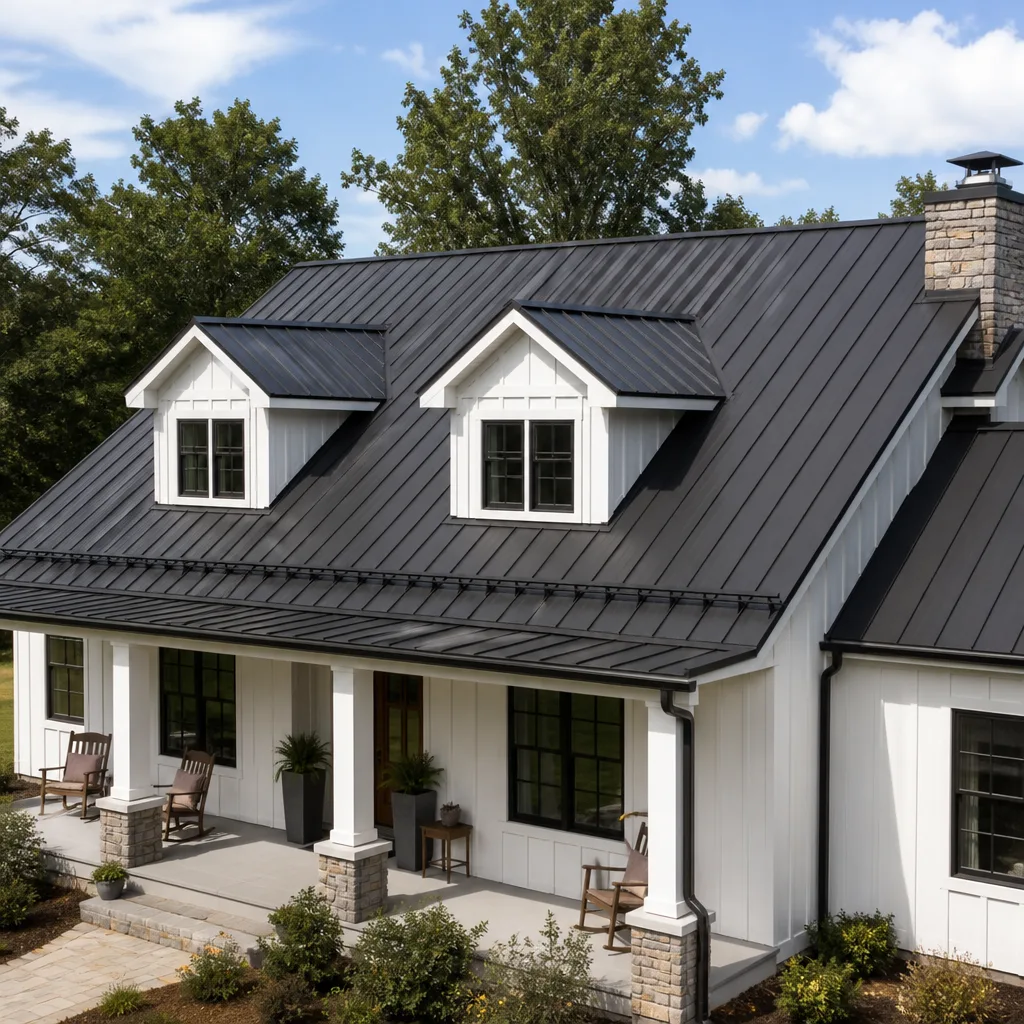 Metal roofing
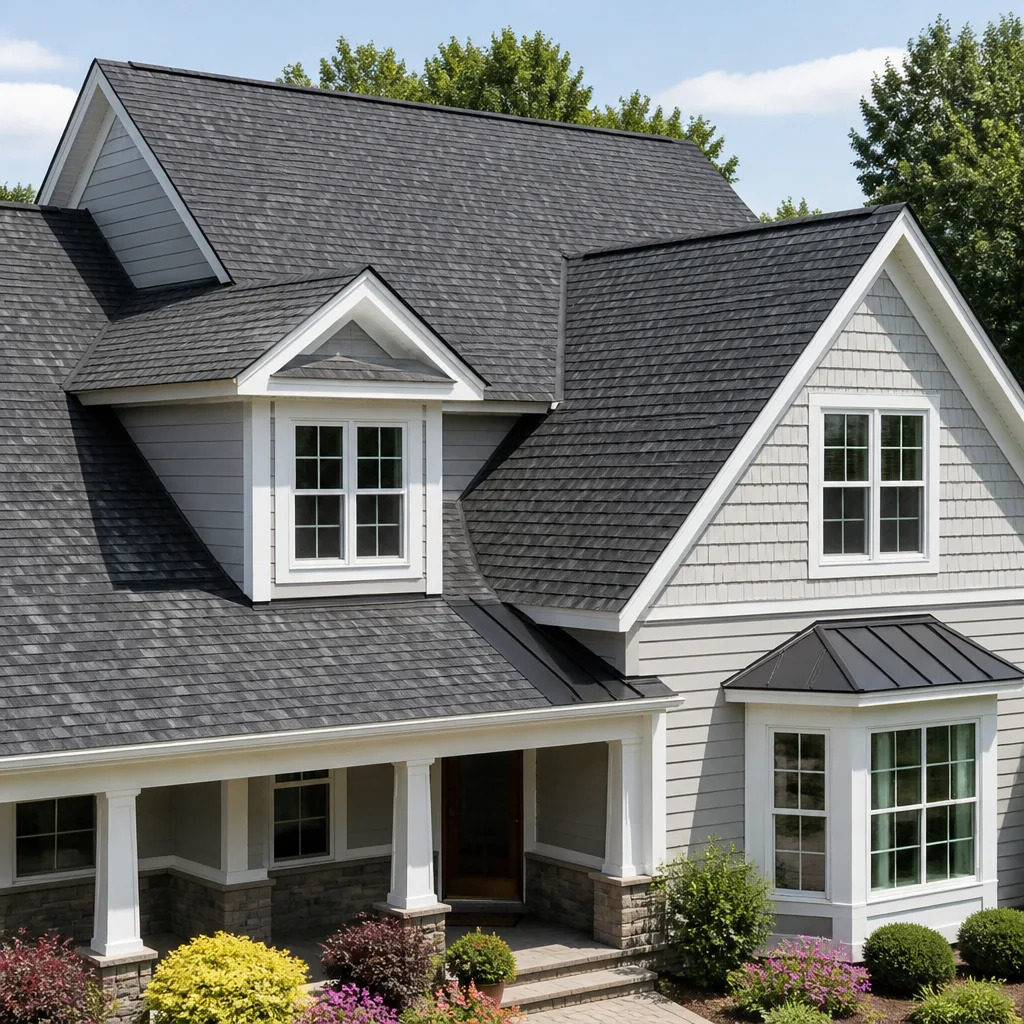 Architectural shingles
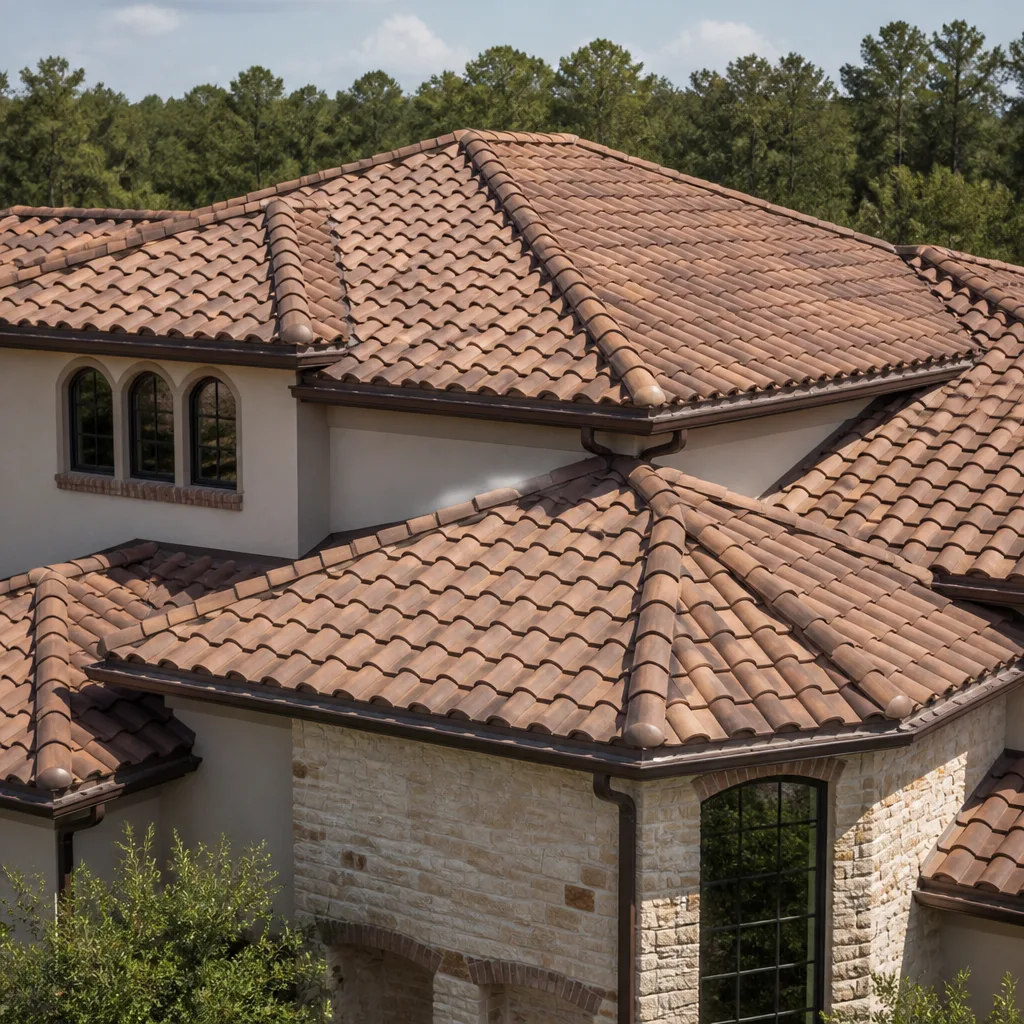 Tile roofing
 GAF
GAF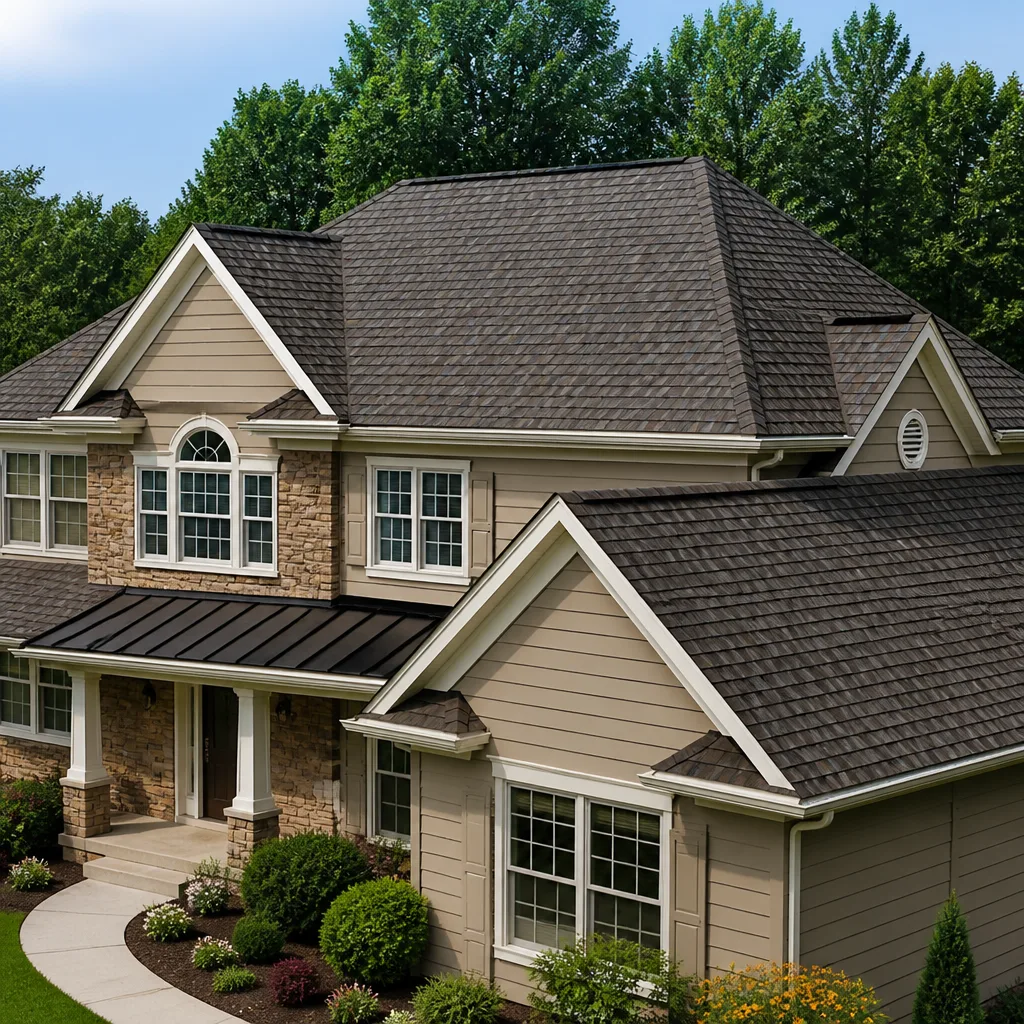 Owens Corning
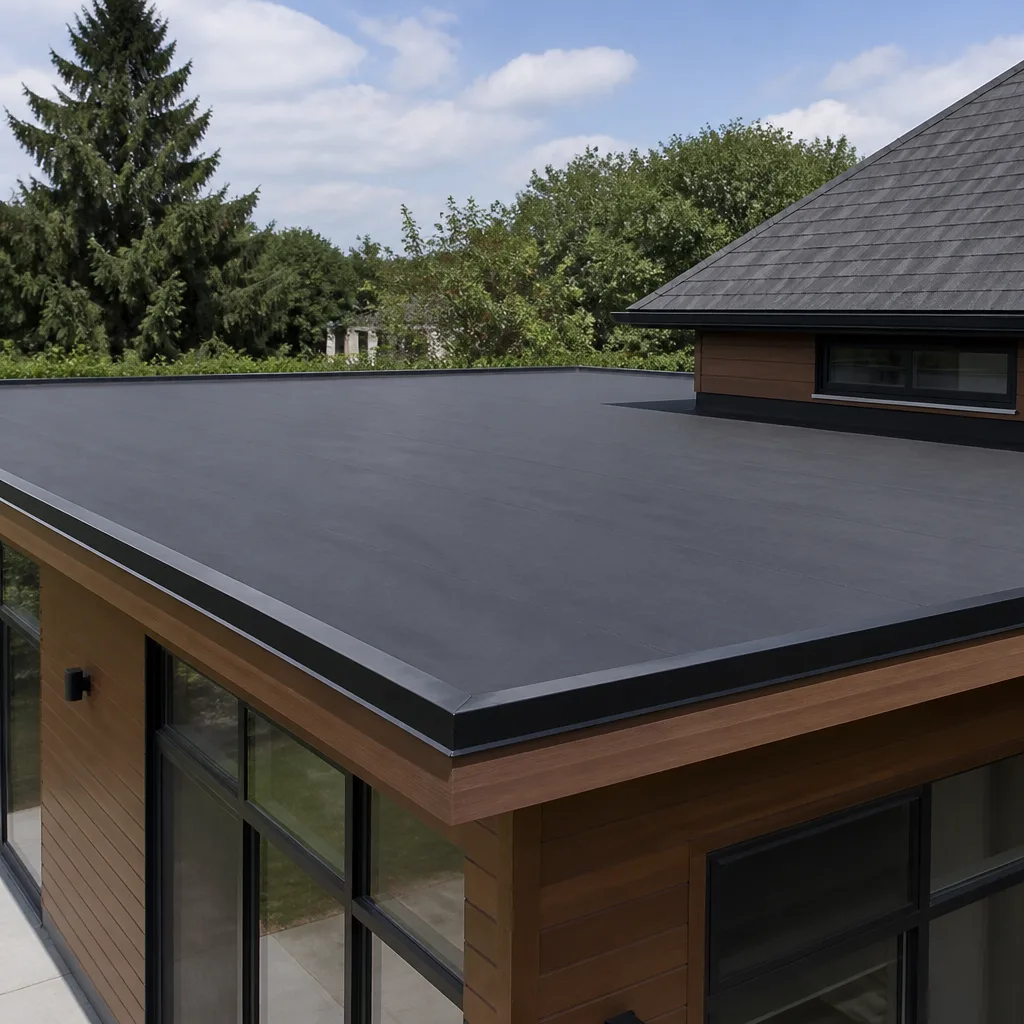 Flat & low-slope
Free roof inspection with deck photos before we talk money - GAF and Owens Corning certified installation
How to Hire a Roofing Contractor in Dallas: A Step-by-Step Guide
Texas is one of a handful of states with no statewide roofing contractor license requirement. Read that again. The person who shows up at your door in Dallas after a hailstorm, clipboard in hand, ready to bid your $18,000 roof, could have started their business last Tuesday. There is no state test, no mandated apprenticeship, no license number to verify. The vetting burden falls entirely on you. This guide walks you through the exact steps to protect yourself, the documents to demand, the contract clauses that matter, and how to spot the storm chasers who disappear the moment your check clears. For more guides & resources, explore our blog.
Styles & brands we work with
Quick Answer
To hire a roofing contractor in Dallas, verify insurance (general liability and workers’ comp), confirm the business is registered locally, request a written line-item estimate before any work starts, check references who will speak to timeliness and final pricing, and insist on a contract that specifies materials by brand and grade, debris removal, payment schedule, and written warranty terms. Since Texas has no statewide roofer licensing requirement, the responsibility to confirm qualifications is yours alone.
Table of Contents
- Why Hiring a Roofer in Dallas Is Riskier Than Most Homeowners Realize
- The Documents to Request Before Signing Anything
- How to Verify Each Document (And What Fakes Look Like)
- The Five Contract Clauses That Protect Dallas Homeowners
- How to Identify Storm Chasers Before They Get Your Signature
- What Roof Replacement Actually Costs in Dallas (And Why Low Bids Are Risky)
- Questions to Ask References That Go Beyond ‘Were You Happy’
- The Step-by-Step Hiring Process: From First Call to Final Walkthrough
- Common Mistakes to Avoid
- When to Call a Professional
- Frequently Asked Questions
- The Bottom Line
Why Hiring a Roofer in Dallas Is Riskier Than Most Homeowners Realize
The risk in Dallas is not that bad roofers exist. Bad roofers exist everywhere. The risk in Dallas is structural. Texas does not require roofing contractors to hold a state license. No exam, no background review, no required insurance filing with a state board. A contractor’s registration with a city like Dallas is not a substitute for a license. It is a business tax form, not a competency check.
What Dallas does get is weather that damages roofs frequently. North Texas sits in a hail belt. Spring storms roll through with hail that can destroy a roof in fifteen minutes. That predictable damage pattern creates a predictable economic response: after every storm, out-of-state crews arrive, set up shop for a season, take insurance checks, and leave. These are the so-called storm chasers. Some do acceptable work. Many do not. The problem is that you cannot tell from a truck wrap or a handshake.
Add to this the fact that Dallas’s housing stock is diverse, from 1920s bungalows in East Dallas to 1990s suburbs in Plano and Carrollton to new construction in Frisco and Prosper. Each era has different roof decking, framing, and ventilation. A crew that knows new construction may struggle with an older home’s decking conditions. And a crew that does not understand how a Dallas attic handles 105-degree summer heat will make ventilation decisions that shorten shingle life and raise your cooling bills.
The result: homeowners in Dallas carry more of the hiring burden than homeowners in almost any other state. This guide is built for that reality.
The Documents to Request Before Signing Anything
Before you sign a contract, before you hand over a deposit, before you even let a contractor on your roof for a second inspection, request three documents. If any contractor balks at providing any of the three, end the conversation. A legitimate roofer in Dallas expects these requests. A storm chaser hopes you never ask.
1. Certificate of Insurance (General Liability and Workers’ Compensation)
Request a certificate of insurance directly from the contractor’s insurance agent, not from the contractor. Ask the contractor for their agent’s phone number and call. Confirm the policy is active and the coverage amounts match the certificate. General liability should cover at least $1 million. Workers’ compensation is not optional in your request, because if a worker falls off your roof and the contractor has no workers’ comp, you can be liable for the injury. In Texas, roofing contractors are not required by law to carry workers’ comp, but many legitimate companies do. This is one of the most important checks you can run in Dallas.
2. Manufacturer Certification or Credentials
If the contractor claims to be a certified installer for GAF, Owens Corning, IKO, Atlas, or Tamko, ask for the certification in writing. Manufacturers offer credential tiers like GAF Master Elite, Owens Corning Preferred, or IKO ShieldPro Plus. These programs require contractors to pass training, carry insurance, and maintain a track record. The credential is not a guarantee of quality, but it does mean the manufacturer has vetted the contractor enough to attach their name. It also typically unlocks better warranty terms for you as the homeowner. If a contractor mentions a manufacturer partnership in conversation but cannot produce a certificate, treat the claim as unverified.
3. Local Business Registration and Physical Address
Ask for the contractor’s physical business address in the Dallas area. Not a P.O. box, not a mailing drop, not a suite in a co-working space. A physical address. Then ask how long they have operated under that name at that address. A storm chaser may have a business registered in another state and no permanent presence in Texas. A roofer who has served Dallas homeowners year over year will have an address you can drive past. You do not need to actually drive there, but the specificity of the answer matters. “We’re at 1234 Commerce Street, Suite 200” is not the same as “our office is in Dallas.” One is a fact, the other is a campaign slogan.
How to Verify Each Document (And What Fakes Look Like)
A printed document is not proof of anything. Verification is the step you do after the document is in your hands. Here is what real verification looks like for each item.
- Insurance. Call the insurance agent listed on the certificate. Ask: “Is this policy active today?” Write down the answer and the date. Ask the agent to send you a copy of the certificate directly from their office so you have a second-source confirmation. A contractor who gives you a certificate dated last year, or one with a phone number that goes to the contractor’s own office instead of an insurance agency, is showing you a red flag.
- Manufacturer credentials. Go to the manufacturer’s website, find their contractor locator tool, and search for the contractor’s name. GAF, Owens Corning, IKO, Atlas, and Tamko each have public search tools for credentialed contractors. If the contractor does not appear, ask them why. Sometimes the directory lags, but more often, the credential was overstated.
- Local registration. Search the Texas Secretary of State’s business entity database for the company’s legal name. Check that the business is active and in good standing. Then check the Dallas County assumed name records if the company operates under a different name than the registered entity. A dissolved or forfeited entity operating under a marketing name is a liability structure designed to make it hard to sue.
Here is the uncomfortable truth we have seen in Dallas more times than we can count: homeowners who skip verification are the same homeowners who discover, when something goes wrong, that the contractor’s LLC was dissolved, their insurance lapsed, and their phone number is disconnected. Verification takes ninety minutes. Litigation takes years.
The Five Contract Clauses That Protect Dallas Homeowners
Most roofing contracts in Dallas are two pages of fine print designed to protect the contractor. Your job is to make sure five specific things appear in writing before you sign. These are the clauses that matter when the job goes sideways, and they complement the details in our Roofing Company Maintenance Checklist for Dallas Homeowners.
1. Written Scope of Work
The contract should list every component of the job in writing: remove existing shingles and underlayment, inspect decking and replace any damaged boards (with a per-sheet price identified), install new underlayment, install drip edge, install flashing at penetrations and valleys, install ridge vents or other ventilation, install shingles to manufacturer spec, and a final site cleanup. If a component is not in writing, it does not exist. There should be no verbal additions and no “we’ll handle that as we go.”
2. Material Specifications by Brand and Grade
The contract should name the exact manufacturer and product line: “GAF Timberline HDZ, color Charcoal,” not “architectural shingles.” The grade matters. A 30-year architectural shingle from Owens Corning and a 25-year three-tab shingle from a builder-grade line are different products with different lifespans. The written warranty from the manufacturer runs with the product and the installation standard, so the contract must name what is being installed.
3. Debris Removal Terms
Roof tear-offs generate thousands of pounds of debris: old shingles, nails, felt, and flashing. The contract should state exactly who removes the debris, when it is removed, and where it goes. A magnetic nail sweep of the driveway and yard should be specified in writing, because roofing nails in your driveway will find your car tires within a week. In Dallas, where garages sit at the front of the house and driveways are short, this is not a minor detail. It is a tire puncture waiting to happen.
4. Payment Schedule Tied to Milestones
Never pay the full amount up front. A reasonable structure: a deposit of no more than 30% at contract signing, a progress payment when materials arrive on site or when the tear-off and underlayment are complete, and the final payment only after a joint walkthrough and your approval of the finished roof. The final payment should be substantial enough, typically 20-30%, that the contractor has a real incentive to finish correctly and handle punch-list items.
5. Written Warranty Terms
The contract should state the workmanship warranty in writing, with a specific duration and a clear remedy. “We stand behind our work” is not a warranty. “Workmanship guaranteed in writing for one full year, with a free return visit at no charge if the repair or installation fails within that period” is a warranty. At Brennan Roofing Co Dallas, this is written into every contract under our 365-Day Done Right Promise. We put the exact terms on paper before work starts because a verbal warranty is not a warranty.
How to Identify Storm Chasers Before They Get Your Signature
Storm chasers operate on a simple model: show up after a hail event, sign as many homeowners as possible in a week, perform rapid low-cost work, and move on before callbacks catch up with them.
The Signals That Someone Is a Storm Chaser
- Out-of-state plates on the truck. A contractor who lives and works in Dallas will have Texas plates. Florida, Louisiana, or Oklahoma plates are not automatically proof of a scam, but they are a signal to look deeper.
- Pressure to sign the same day. A legitimate roofer in Dallas knows that a $15,000 decision deserves a night of thought. A storm chaser knows that if you sleep on it, you may call their references, check their insurance, and discover they are not local.
- Vague answers about their local address. “We’ve got an office in Dallas” with no street address is not a local business. Ask for the address and write it down. Then look it up on a map. Storm chasers often have a rented mailbox and no permanent shop.
- A contract that assigns insurance proceeds directly to the contractor. This is the big one. A clause that says the insurance check goes directly to the roofer, or that the homeowner signs over their claim rights, is a legal structure designed to let the contractor control the money and cut corners without oversight. Your insurance claim belongs to you. The contractor invoices you, and you pay the contractor.
- An unsolicited “free inspection” after a storm. Legitimate Dallas roofers do not work door to door. A crew that appears uninvited after a hail event is canvassing, and canvassing is a volume play, not a referral business.
We have watched storm chaser crews work entire Dallas neighborhoods in a single season and leave behind roofs with missing underlayment, misaligned shingles, and flashing that was never replaced. The homeowner does not find out until the next storm, and by then the contractor’s phone number belongs to someone else.
What Roof Replacement Actually Costs in Dallas (And Why Low Bids Are Risky)
A full roof replacement on a typical single-family home in Dallas runs between $8,000 and $18,000, with the spread driven by square footage, roof complexity, material grade, and site conditions. See our Roofing Cost Breakdown: The Dallas Homeowner’s Reference for 2026 for a deeper analysis. Single-story ranch homes in Mesquite or Garland with a simple gable roof and architectural shingles sit at the lower end. Two-story homes in neighborhoods like Lake Highlands or Preston Hollow with steep pitches, multiple valleys, skylights, and upgraded materials sit at the higher end. A slate or synthetic slate roof in University Park can exceed $30,000, but that is a different market entirely.
| Scope | Typical Range in Dallas |
|---|---|
| Basic architectural shingle roof, single-story simple gable, 1,500-2,000 sq ft | $8,000 – $12,000 |
| Two-story or complex roof, 2,000-3,000 sq ft, architectural shingles, new underlayment and drip edge | $12,000 – $18,000 |
| Premium shingle lines (Owens Corning Duration, GAF Timberline UHDZ, IKO Nordic, Atlas StormMaster), 2,000+ sq ft | $15,000 – $24,000 |
| Roof repair, single leak or missing shingle area | $350 – $1,200 |
| Roof inspection | $200 – $500 (often free with an estimate) |
When you see a bid at 50% of the range for the scope, something is being cut: the underlayment, the trash removal, the permit, the insurance, or the crew’s training. Roofing is a trade with real material costs and real labor costs. The shingles alone on a mid-sized Dallas home are a four-figure line item. A bid that cannot possibly cover materials and bonded labor means either the contractor is planning to use substandard product, pay cash to a crew with no insurance, or abandon the job partway and keep the deposit.
The highest-risk choice in Dallas’s post-storm contractor market is the lowest bid. The contractor who bids 30% below the market average and still plans to make a profit is telling you, through the math, that they are cutting corners you cannot see from the street.
Questions to Ask References That Go Beyond ‘Were You Happy’
Every roofer can produce three satisfied references. That is not the point. The point is to ask questions that reveal what the roofer was like on a Tuesday afternoon when a problem appeared.
- “Did the crew show up when the contractor said they would?” This is a yes or no question. A delayed start or a no-call no-show is a pattern, and references will be honest about it if you ask directly.
- “Did the final invoice match the estimate you approved?” This reveals whether the contractor runs change orders on the back end or honors the written price. A reference who says “well, there were some additions” is telling you the price you saw was not the price they paid.
- “How did they handle the warranty on a follow-up call?” Ask specifically about a post-completion issue: a leak, a lifted shingle, a drip edge that came loose. Did the roofer come back? How fast? At what cost? This is the single most revealing question you can ask a reference.
- “Would you let this crew onto your roof again without being home?” This cuts through politeness. The answer is either an immediate yes, a hesitation, or a story. All three are informative.
- “Was the site clean when they left?” Nails, shingle scraps, and debris in the yard are not a sign of a meticulous roofer. Ask and listen.
References who will answer these five questions give you more information than a dozen five-star reviews. Reviews are written in the first month. References reveal what the roofer was like in year three.
The Step-by-Step Hiring Process: From First Call to Final Walkthrough
Step 1: Call and Ask the Right Questions on the Phone
Your first call to any roofer in Dallas should not be about price. It should be about process. Ask: “Can you give me a written line-item estimate before any work starts?” Ask: “Do you carry workers’ comp and general liability, and can I verify both with your agent?” Ask: “Who from your company will be on site during the job?” Listen to how the answers sound. A roofer who is comfortable with these questions is a roofer with a defined process. A roofer who changes the subject to price is a roofer who does not want to talk about the process.
Step 2: Schedule an Inspection and Get the Estimate in Writing
Any roofer you are serious about should inspect the roof before quoting. Not from the street, not by drone photos alone. Physically on the roof, checking the decking, flashing, ventilation, and existing underlayment condition. After the inspection, the estimate should arrive in writing, line by line, with materials named by manufacturer and grade. If the estimate says “shingles” with no brand, ask for the brand. If the estimate says “around 20 squares” but the job turns out to be 24, the contract should state how overruns are handled. In our practice, the written price before work starts is the price. That is the point of putting it in writing.
Step 3: Verify, Then Sign the Contract With the Five Clauses
Run the verification checks from the earlier sections. Insurance, manufacturer credentials, business registration. Then pull out your list of the five contract clauses: scope of work, material specs, debris removal, payment schedule, written warranty. If all five are present and written clearly, sign. If any clause is missing, ask for it in writing before you sign.
Step 4: The Build and What Good Process Looks Like
A well-run roofing job in Dallas takes one to two weeks from start to finish, depending on weather and scope. The crew should show up in uniform, with a site supervisor who can answer your questions in English and who knows the terms of your contract. The tear-off should be followed the same day by underlayment and ice and water shield installation so the roof is dried in before any rain. In Dallas, where a spring thunderstorm can appear without warning, the dry-in step is not optional.
Step 5: Final Walkthrough, Payment, and the Written Warranty
Do not pay the final installment until you have walked the roof or had the site supervisor walk it with you and show you the completed work. Check the flashing at chimneys and penetrations. Check the drip edge at the eaves. Check the yard for debris and run a magnetic sweep if you have one. Then pay the final amount and make sure you have the written warranty in hand, not promised, before the crew leaves. At Brennan Roofing Co Dallas, this step includes a walkthrough with our site lead and a written copy of the 365-Day Done Right Promise before you sign off.
Common Mistakes to Avoid
- Hiring the first door-knocker after a hail storm. That person is pacing your neighborhood because they need volume, not because your roof happens to be visible from the street. In Dallas after a storm, door-knockers are the highest-risk hire in the market.
- Signing an insurance assignment without reading it. Contracts that assign your insurance proceeds to the contractor strip you of leverage. You lose the ability to withhold payment for incomplete work. Read every word of an assignment clause and refuse any that give the contractor direct control of your claim.
- Skipping the workers’ comp check. If an uninsured worker falls off your roof and the contractor has no workers’ comp, your homeowner’s insurance may be on the hook. In Texas, where workers’ comp is not required, this check is on you, every time.
- Accepting a verbal warranty. “We’ll take care of you if anything goes wrong” is not a warranty. A warranty has a term, a remedy, and a piece of paper. Ours runs one full year, in writing, with a free return visit.
- Choosing the lowest bid because it’s the lowest bid. You are not buying a bar of soap. You are buying a structural system that protects everything you own from Texas weather. The low bid is the high risk.
- Not asking about debris removal in the contract. Roofing nails in the driveway will puncture a tire within a week. This is a written-contract item, not a “we’ll do our best” item.
- Paying the full amount up front. A roofer who needs 100% upfront to buy materials is a roofer without working capital. Walk away from that deal.
When to Call a Professional
If you see missing shingles, water stains on the ceiling, granules washing into the gutters, or daylight in the attic, call a roofer. If you have just been through a hail event and the door-knockers are working your street, call a roofer for an independent inspection before you talk to any of them. If you have a roofer in mind and want a written estimate before you decide, call a roofer. The inspection is the start of the process, not the commitment. Brennan Roofing Co Dallas offers free estimates in Dallas. Call (903) 499-4441 and a live person will answer – no voicemail, no automated system, no callback queue.
Frequently Asked Questions
A typical roof replacement in Dallas costs between $8,000 and $18,000 for a single-family home with architectural shingles, with the spread driven by square footage, roof complexity, and material grade. Larger or steeper roofs, or premium shingle lines like Owens Corning Duration or GAF Timberline UHDZ, can range up to $24,000 or higher. Call (903) 499-4441 for a written line-item estimate on your specific roof.
No. Texas does not have a statewide roofing contractor license requirement, which is why the vetting burden in Dallas falls entirely on the homeowner. For details on local requirements, see Roofing Permits, Codes & Inspections in TX: What You Need to Know. This is precisely why you should request insurance certificates, manufacturer credentials, and local business registration documents before signing anything.
Ask for a certificate of insurance and call the insurance agent directly to confirm the policy is active. Check manufacturer credentials on the manufacturer’s public directory. Search the Texas Secretary of State database for the business’s entity status. Ask for a physical street address. If all four checks pass, the roofer is legitimate by any reasonable standard.
A roofing contract in Dallas should include a written scope of work, material specifications by brand and grade, debris removal terms, a payment schedule tied to milestones, and written warranty terms with a specific duration and remedy. A contract without all five items is incomplete.
Storm chasers appear after hail events, sign as many homeowners as possible quickly, perform low-cost work, and leave the area before callbacks catch up with them. The danger is not just poor workmanship; the danger is that when the roof fails, the contractor’s phone is disconnected and your recourse is a lawsuit against an empty LLC.
Manufacturer warranties on shingles typically run 25 to 50 years depending on the product, and workmanship warranties are separate and variable. At Brennan Roofing Co Dallas, the workmanship warranty is the 365-Day Done Right Promise: one full year, in writing, with a free return visit at no charge if the repair or installation fails. Call (903) 499-4441 for the exact terms on your job.
The Bottom Line
Hiring a roofer in Dallas is a process of verification, not trust. Texas hands you the responsibility of vetting, so accept it and run every check. Request the insurance certificate and call the agent. Verify the manufacturer credential. Look up the business registration. Put every material and every payment term in writing. Ask references about timeliness, final pricing, and warranty. This is how a homeowner in Dallas hires a roofer who will still be answering the phone in five years. If you want the process handled by a company that has written the standard down, call Brennan Roofing Co Dallas at (903) 499-4441 and ask for a free estimate. The price goes on paper before any work starts, and the guarantee runs one full year, in writing.
Written by Travis Oakley, Owner at Brennan Roofing Co Dallas, serving Dallas since 2000.
See the difference
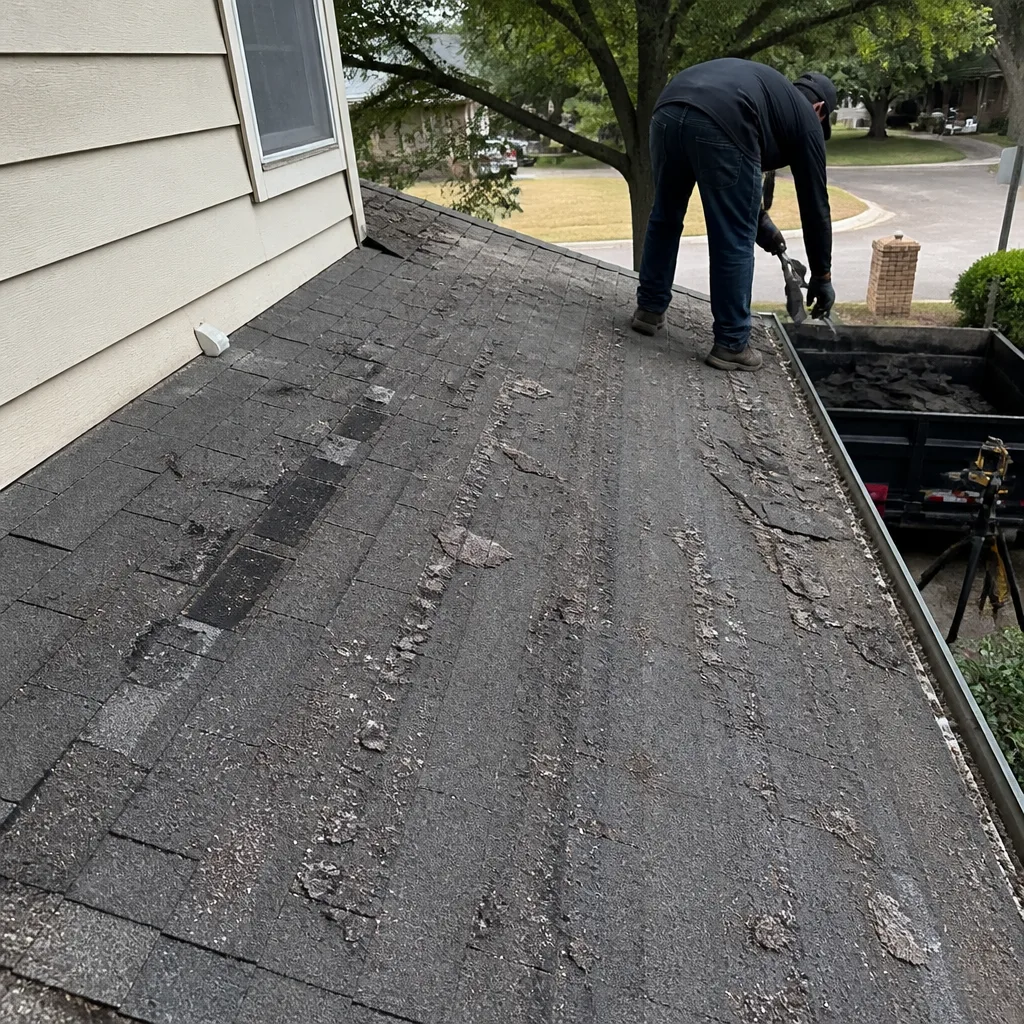 Before
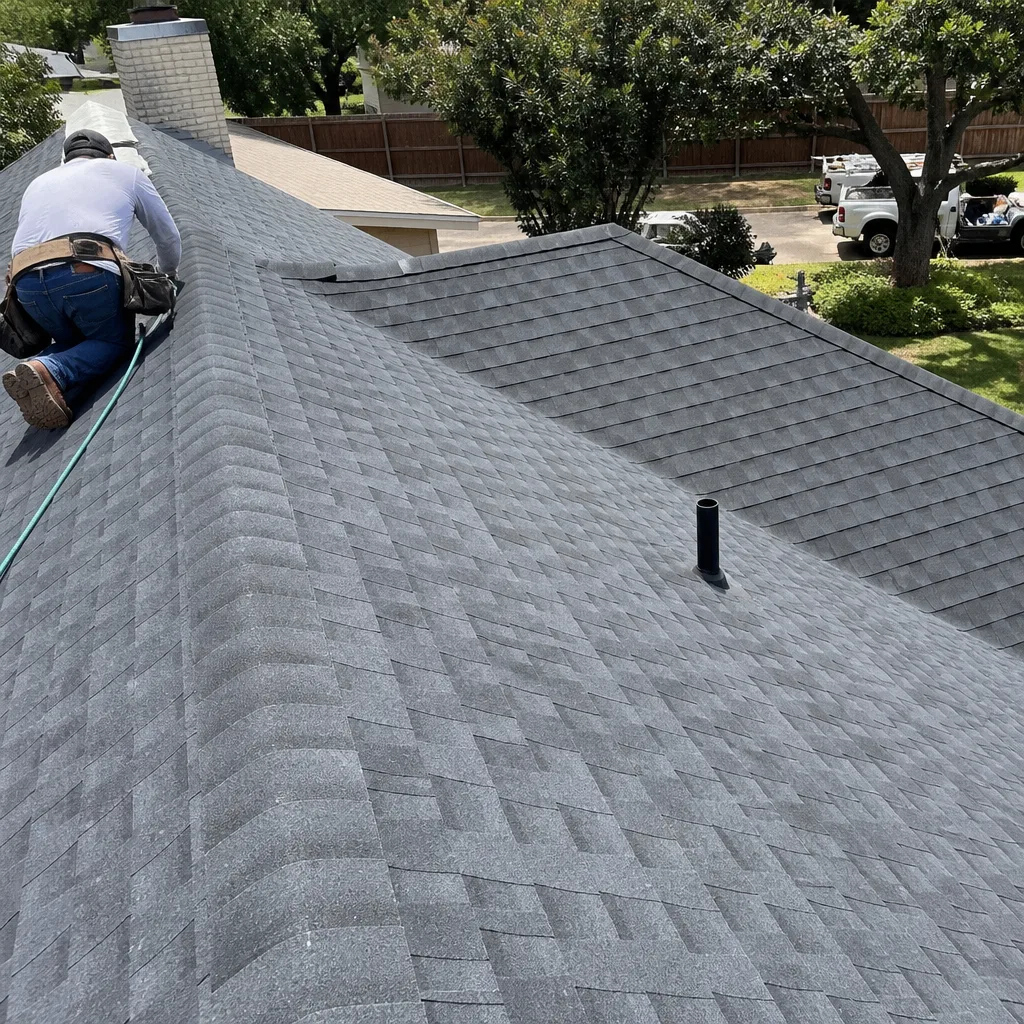 After
After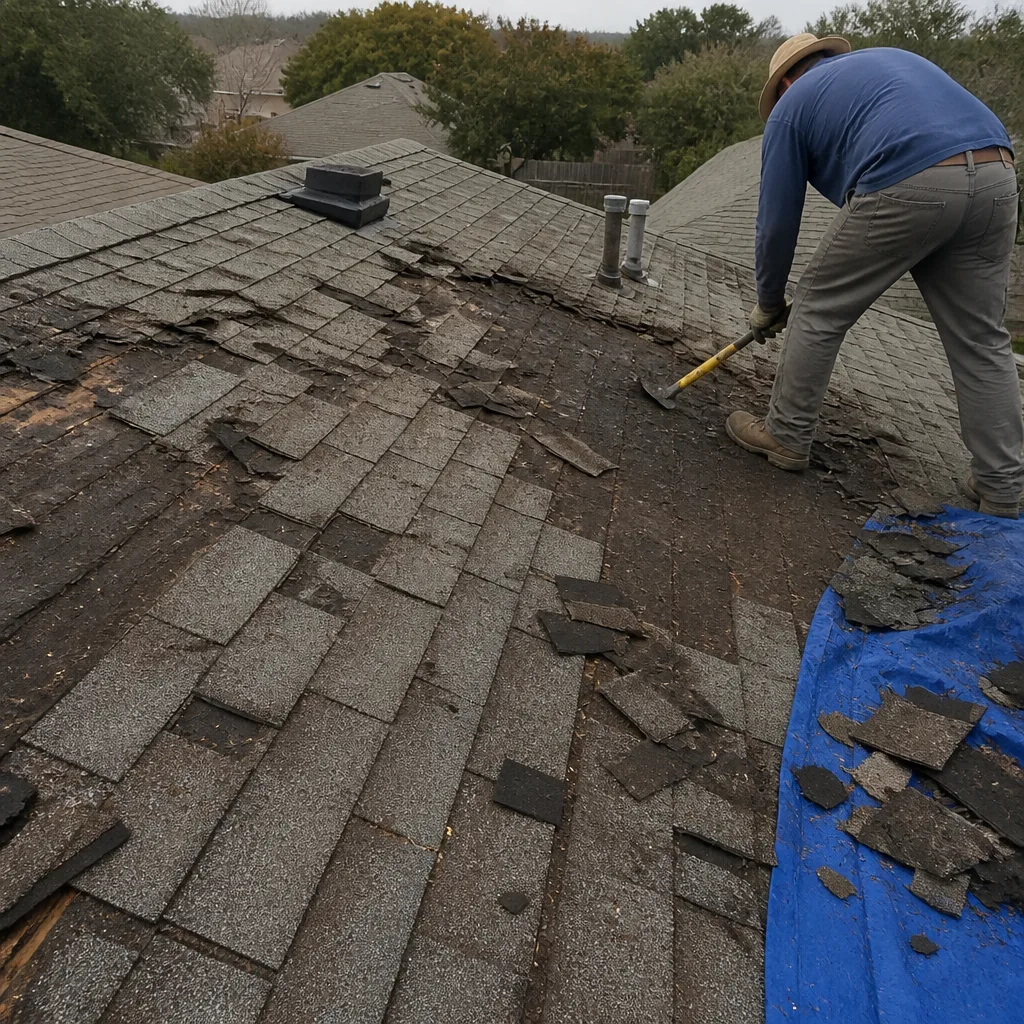 Before
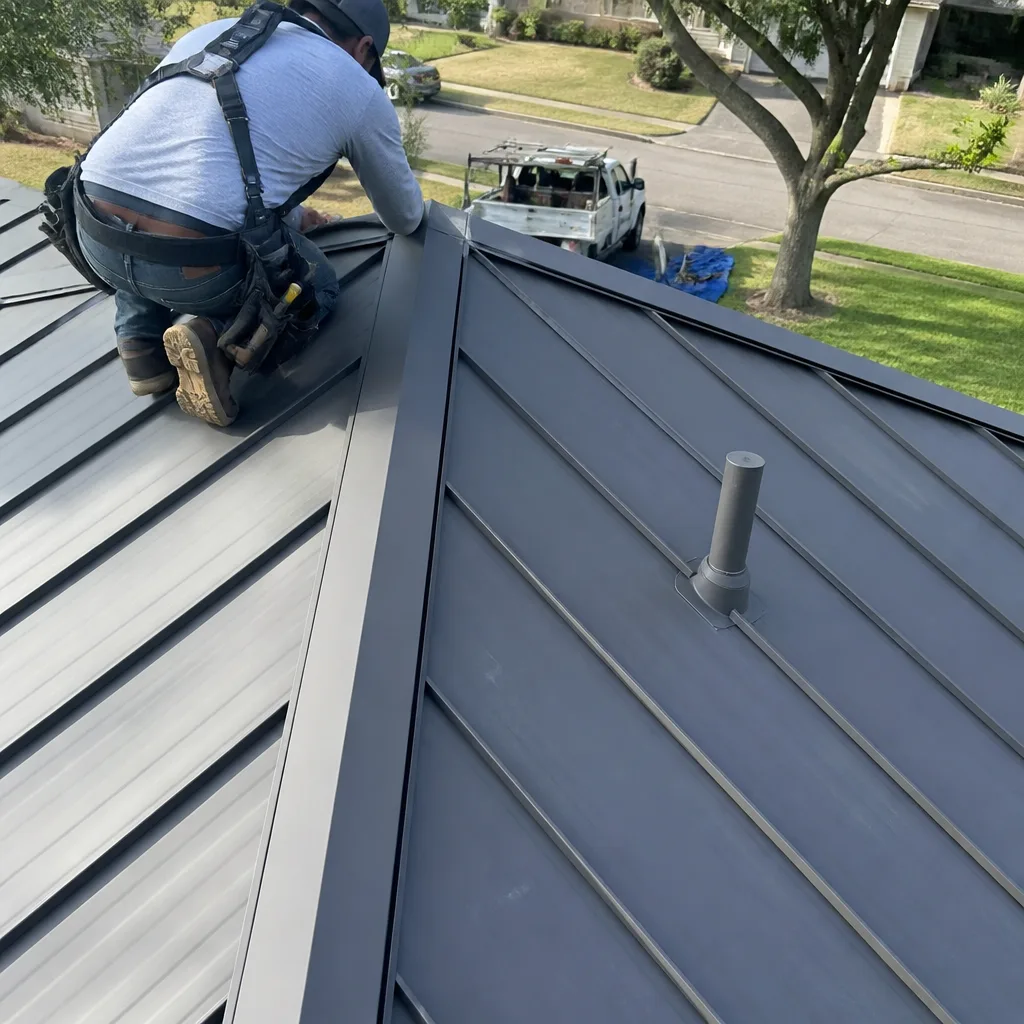 After
After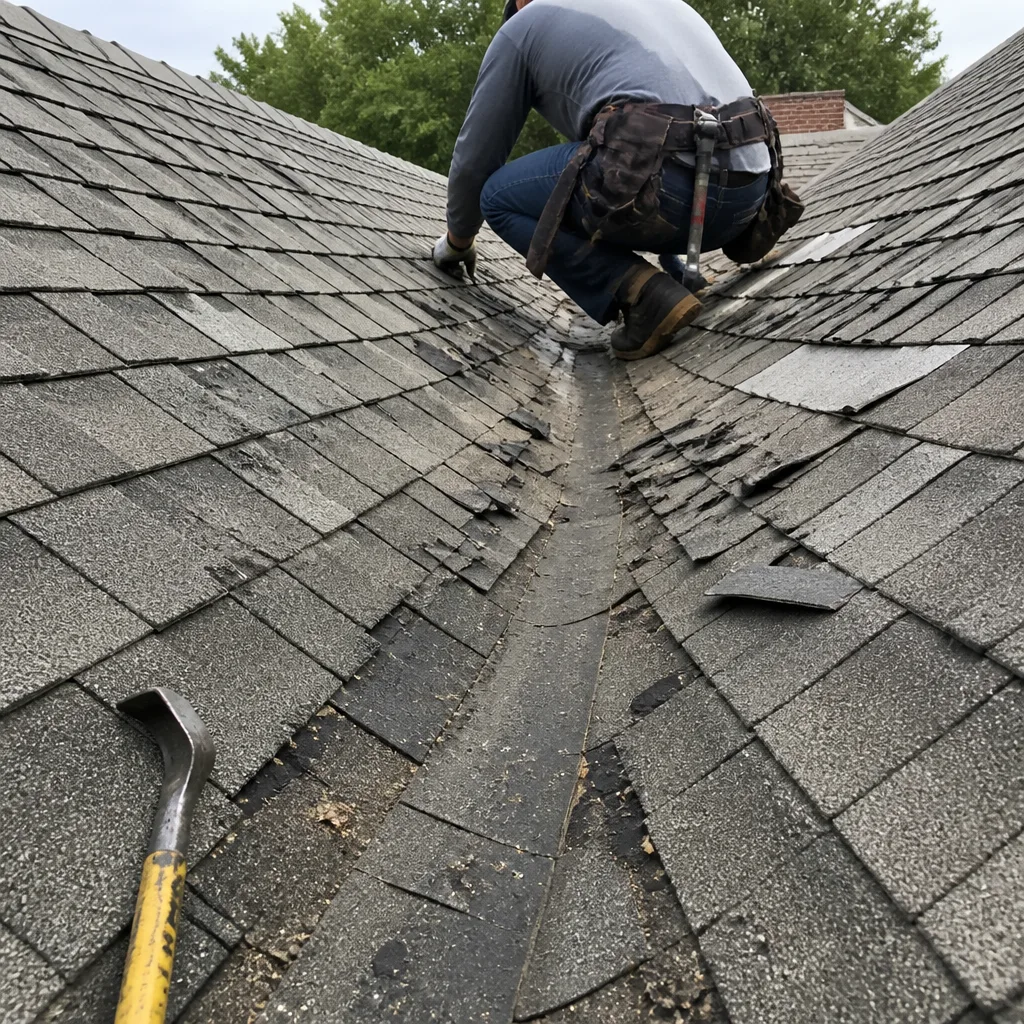 Before
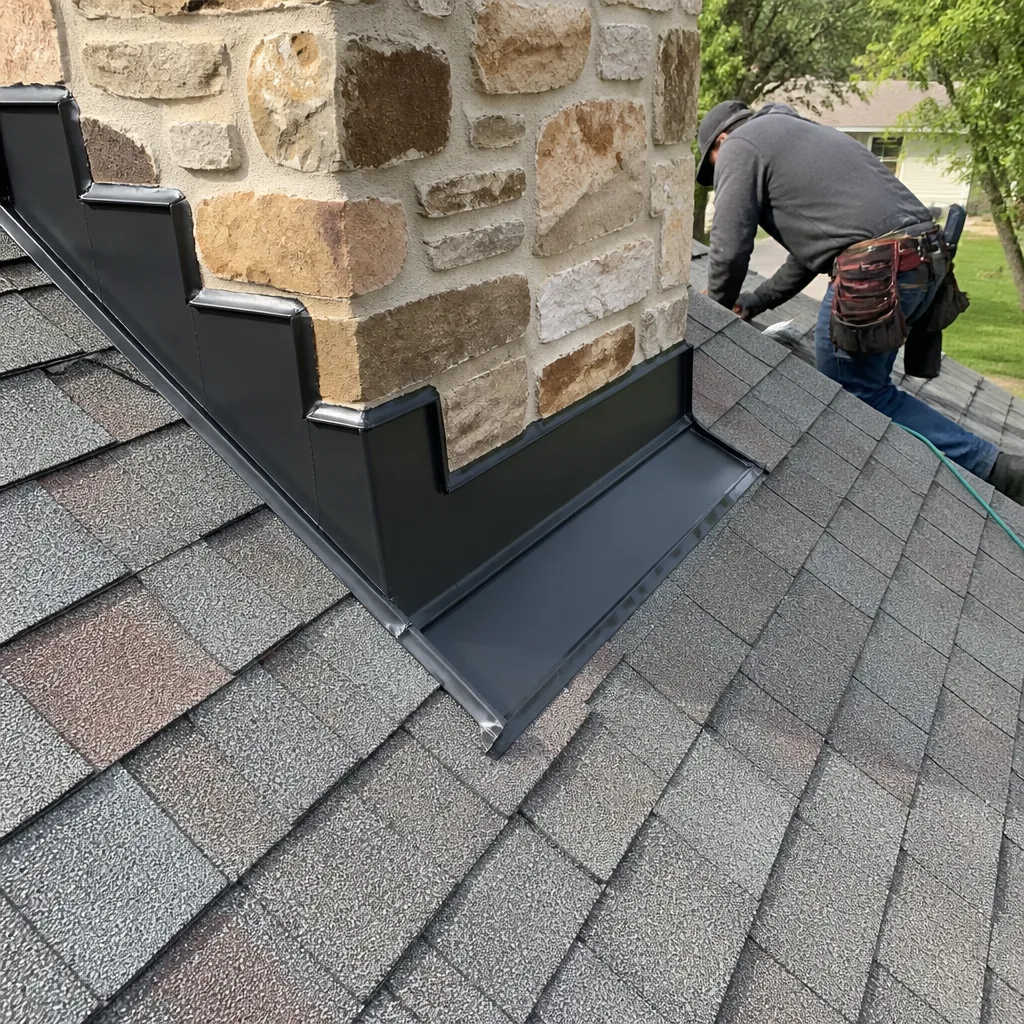 After
After