
Last updated October 17, 2026
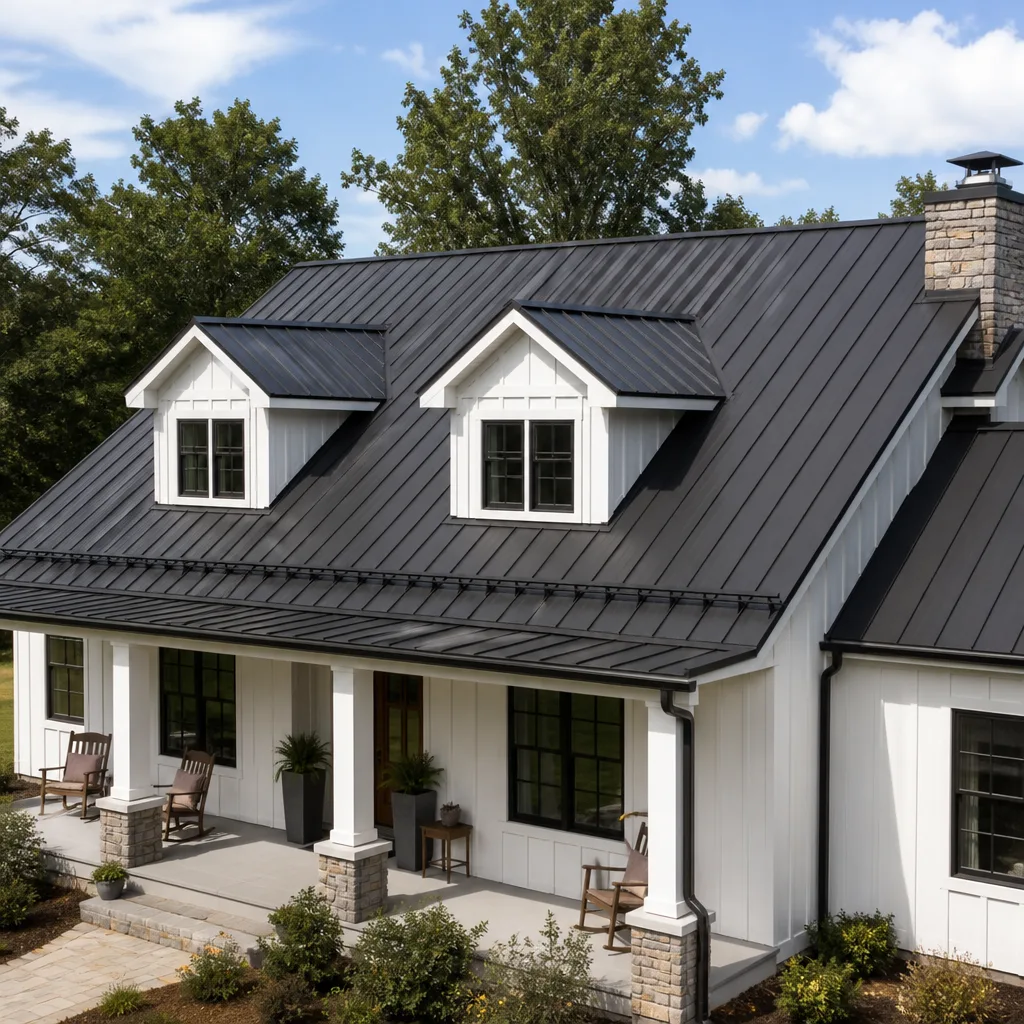 Metal roofing
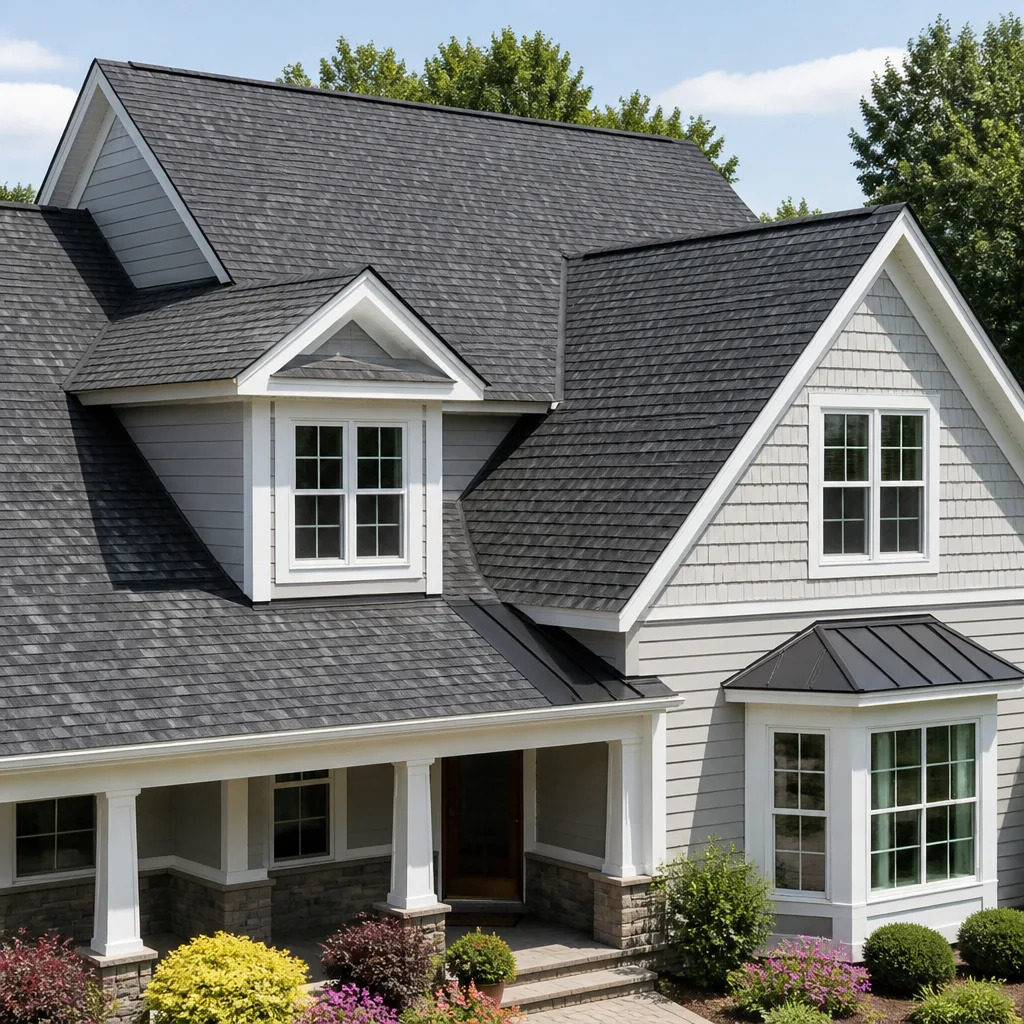 Architectural shingles
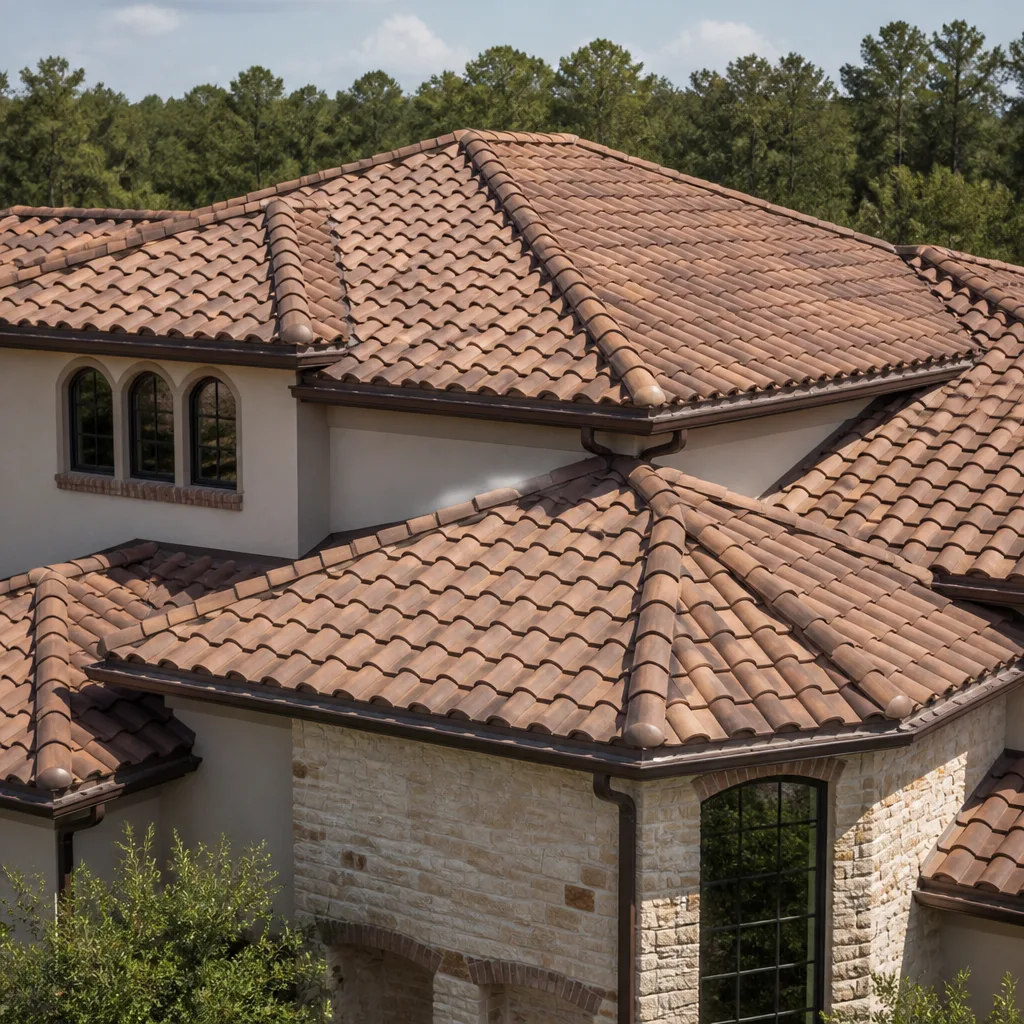 Tile roofing
 GAF
GAF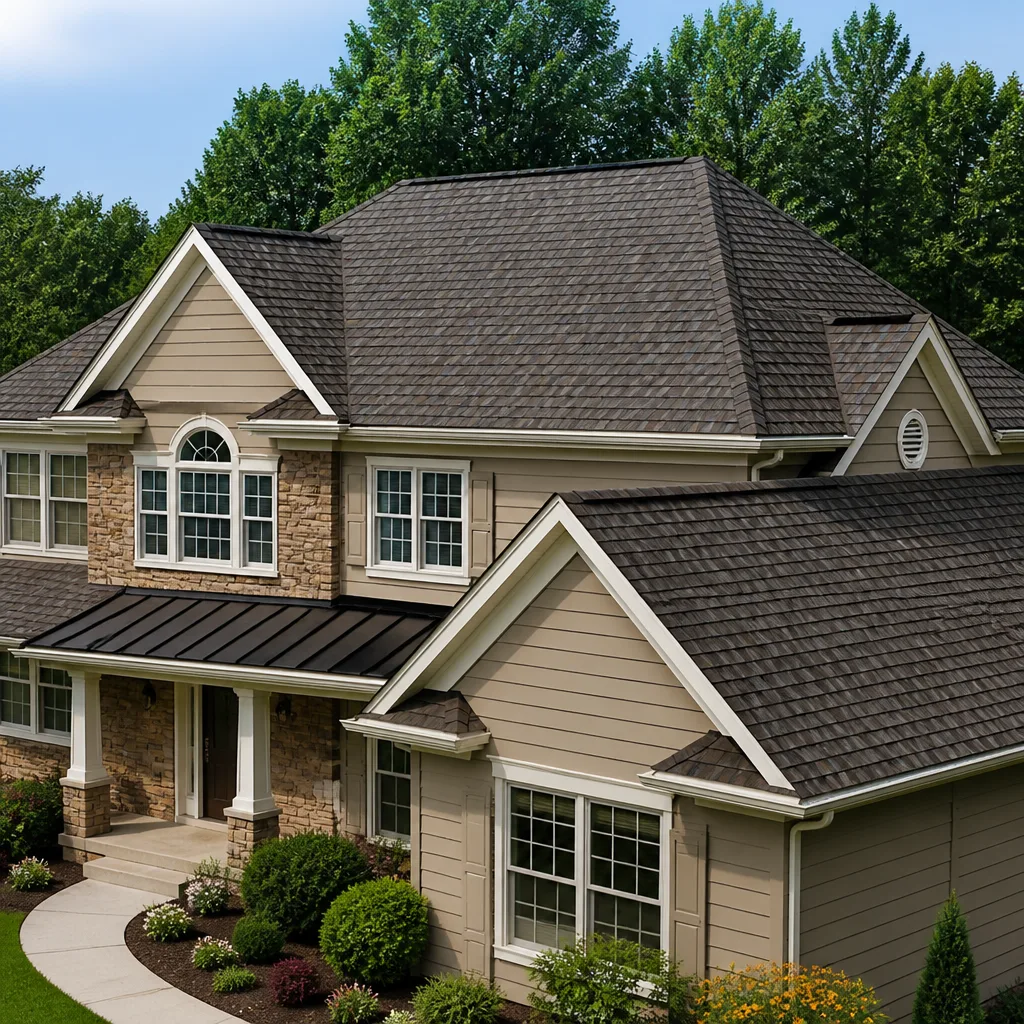 Owens Corning
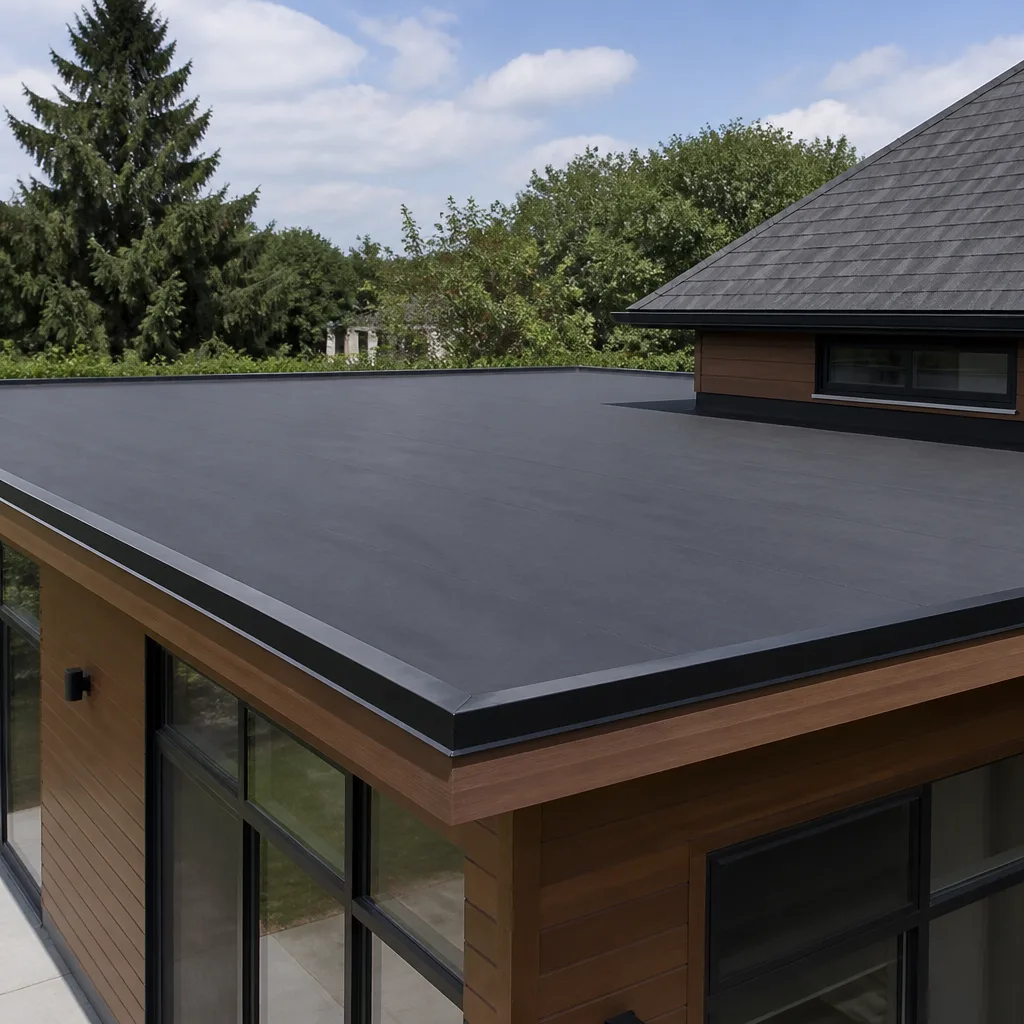 Flat & low-slope
Free roof inspection with deck photos before we talk money - GAF and Owens Corning certified installation
Roofing Cost Breakdown: The Dallas Homeowner’s Reference for 2026
Two Dallas contractors can quote the same house at $9,500 and $14,200 and both be quoting honestly. The difference isn’t markup. It’s scope. One bid includes full deck board replacement, ice and water shield in the valleys, new drip edge, and a permit pulled by the contractor. The other includes none of that, and the homeowner won’t find out until the crew tears off the old shingles and finds rotted decking. This guide exists to close that gap. By the time you finish reading, you’ll know how to read a Dallas roofing bid the way a contractor reads one: line by line, looking for what’s on the page and what was quietly left off it.
Styles & brands we work with
Quick Answer
A standard architectural shingle roof replacement in Dallas runs $11,000 to $16,500 for a typical 2,200 square foot single-story home, or roughly $5.00 to $7.50 per square foot installed. Full tear-off of the old roof, new underlayment, new flashing, new shingles, haul-away, and a pulled permit are all included in that figure. If you’re replacing the roof because of hail or wind damage and filing an insurance claim, your out-of-pocket cost will be your deductible plus any upgrade costs your policy won’t cover.
Table of Contents
- Line-Item Cost Breakdown for a Dallas Roof Replacement
- The Hidden Variables That Move a Dallas Quote by $3,000 to $5,000
- Material Tiers: 3-Tab vs. Architectural vs. Class 4 Impact-Rated Shingles
- How to Read a Dallas Roofing Bid for What’s Missing
- Insurance Claim Math: ACV, RCV, and Depreciation Holdback in Texas
- What a Proper Roof Replacement in Dallas Actually Looks Like, Step by Step
- Common Mistakes to Avoid
- When to Call a Professional
- Frequently Asked Questions
- The Bottom Line
Line-Item Cost Breakdown for a Dallas Roof Replacement
Every roof replacement is really eight or nine separate jobs combined into one contract. Here’s what each line item costs in the Dallas market in 2026, and what each one actually pays for. These ranges assume a typical 2,200 square foot single-story home with a walkable roof pitch.
- Tear-off and disposal: $1,800 to $3,200. Removing the old shingles, underlayment, and fasteners, then hauling everything to the landfill. Tear-off cost rises if there are multiple layers of old roofing, if the dumpster has to sit on a public street, or if the crew has to hand-carry materials a long distance from the driveway.
- Decking inspection and repair: $0 to $2,400. Every contractor should inspect the decking after tear-off. What varies is how much they plan to replace. In our experience across Dallas, the average home needs 4 to 8 sheets of OSB or plywood replaced, at $75 to $120 per sheet installed. Some bids include a blanket allowance for 3 sheets and charge extra beyond that. Some include zero and charge for every sheet. This is the single biggest source of mid-job change orders.
- Underlayment: $900 to $1,500. Synthetic underlayment is now the standard in the DFW market because it holds up better than felt under our summer heat. Felt paper is cheaper but tears during installation and degrades faster. The price difference on a full roof is only $400 to $700, and we don’t think saving it is worth the trade-off.
- Shingles: $3,800 to $7,200 installed for architectural shingles, depending on grade and manufacturer. This is the biggest single line item. The range reflects differences in warranty length, wind rating, and the manufacturer’s own pricing. More detail in the material tiers section below.
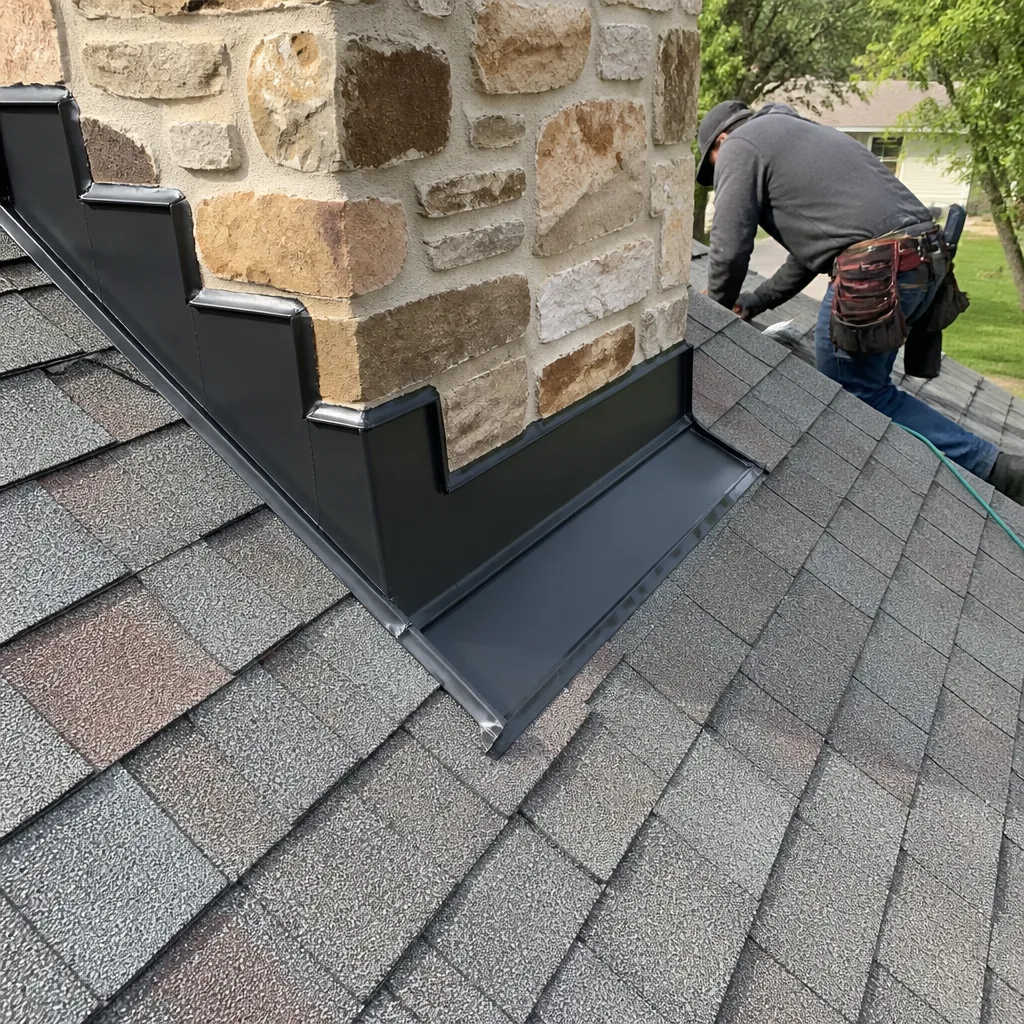
- Flashing: $700 to $1,400. Flashing is the metal that goes around chimneys, vent pipes, skylights, and anywhere the roof meets a wall or valley. Cheap roofs get re-used or “re-bent” flashing. Proper replacements get new step flashing, new pipe collars, and new valley metal. This line item is where leaks come from if it’s done wrong.
- Ridge cap and ridge vents: $400 to $800. The ridge cap is the row of shingles along the peak, and the vent lets hot attic air escape. A roof without proper ventilation will cook the new shingles from underneath and shorten their life by years.
- Permit and inspection: $400 to $700. Dallas requires a permit for roof replacement. The city inspection is a basic check that the roof meets current code. If a contractor says a permit isn’t needed, find a different contractor.
- Overhead, labor, and warranty administration: $2,000 to $3,500. This is the money that keeps a legitimate roofing company operating: workers’ compensation insurance, liability insurance, background checks, office staff, and the cost of honoring a written warranty. The cheapest bid almost always cuts here first, and the homeowner pays for it later when the crew doesn’t show or the warranty turns out to be a handshake.
All of those line items together put a complete, code-compliant architectural shingle replacement in Dallas at $11,000 to $16,500 in 2026.
The Hidden Variables That Move a Dallas Quote by $3,000 to $5,000
Two roofs on the same street can be the same size, the same material, and the same finished look, and still come in thousands of dollars apart. Here are the four variables we see drive those gaps in Dallas every week.
- Deck board replacement rate. If a roof has been leaking slowly for years, the decking under the shingles is rotted. A contractor who plans to replace it all has to include that cost in the bid. A contractor who plans to replace “as needed” can bid lower because they’re assuming almost nothing needs replacing. When the tear-off reveals six, eight, twelve sheets of rotted decking, that second contractor hands the homeowner a bill for $1,200 in materials they never saw coming. A written price before any work starts should account for this in the fine print. Ours does: we write the decking allowance into the contract so there’s no surprise conversation on the day of tear-off.
- Number of penetrations. Every pipe boot, vent, skylight, and chimney is a spot where the roof has been cut open. Each one requires flashing work and extra labor. A roof with two penetrations costs less than a roof with nine. Contractors who do drive-by estimates can’t see all of these accurately, so they either guess low on purpose or guess low because they never looked. A proper estimate walks the roof or at minimum counts penetrations from the ground with a trained eye.
- Roof pitch surcharge above 6:12. A walkable roof with a pitch of 4:12 or 5:12 costs the base labor rate. Anything above 6:12 gets steeper, and the crew moves slower, needs safety rope-and-harness gear, and can’t stage materials the same way. Most contractors add a 10% to 25% surcharge for steep roofs, and it’s a legitimate charge. What’s not legitimate is hiding it until after the contract is signed. If your roof is steeper than a 6:12 pitch, a quote should say so and include the surcharge on the page.
- Valley treatment method. Valleys are where two roof slopes meet and water collects on its way down. The two common methods are closed-cut valleys, where shingles overlap in the valley, and open metal valleys, where a strip of painted metal runs the full length of the valley. Open metal valleys cost $400 to $900 more on a typical Dallas home because of the material and the extra labor, but they shed water faster and last longer in DFW’s hard downpours. If two bids are $800 apart and one includes open metal valleys and the other doesn’t, the difference isn’t markup.
Material Tiers: 3-Tab vs. Architectural vs. Class 4 Impact-Rated Shingles
You have three practical choices in Dallas, and each one trades money for lifespan and hail resistance. Here’s what each one costs installed in 2026 and what you’re actually buying.
- 3-tab shingles: $4.00 to $5.00 per square foot installed, so $8,800 to $11,000 for a 2,200 square foot home. 3-tab is the old standard: a flat, single-layer shingle with three visible tabs. It’s the cheapest option and carries a 20 to 25 year manufacturer warranty. The trade-off is that 3-tab shingles have lower wind ratings, are more prone to curling in Texas heat, and perform poorly in hailstorms. Most Dallas roofers install them only on budget flips or rental properties. If you plan to live in the house for more than a decade, 3-tab is a false economy.
- Architectural (dimensional) shingles: $5.00 to $7.50 per square foot installed, so $11,000 to $16,500 for the same home. Architectural shingles are thicker, layered, and built to look like cedar shake or slate. They carry 30 to 50 year manufacturer warranties, hold up better in wind, and don’t curl the way 3-tabs do. This is the standard roof we install on the overwhelming majority of Dallas homes. The main manufacturers in this tier include GAF, CertainTeed, and Owens Corning, and their comparable mid-grade lines are within a few hundred dollars of each other on a full roof.
- Class 4 impact-rated shingles: $6.50 to $9.00 per square foot installed, so $14,300 to $19,800 for the same home. Class 4 is a UL rating that means the shingle survived a laboratory impact test with a 2-inch steel ball dropped from 20 feet. In practice, it’s the shingle you want if you live in the hail corridor that runs through North Texas. These shingles often carry the same 50-year warranty as architectural lines, but they’re engineered to flex rather than fracture on impact.
The insurance discount on Class 4 in Texas is real but modest. Some carriers offer a premium discount of 5% to 20% on the wind and hail portion of the policy for homes with a Class 4 roof. On a typical Dallas policy that might pencil out to $150 to $400 per year. Over a 20-year roof life, that’s meaningful but not life-changing. The real value is fewer hail claims, which keeps your claims history clean and your rates from spiking. If you’re deciding between architectural and Class 4, the question is how much hail you’re willing to live with. If your neighborhood has been hit twice in five years, Class 4 is the right answer. If you’re in a part of Dallas that hasn’t seen hail in a decade, standard architectural shingles are a perfectly good roofing decision.
How to Read a Dallas Roofing Bid for What’s Missing
Most homeowners read a bid the way you’d read a receipt: total at the bottom, maybe glance at the top. That’s exactly backward. The total is the least informative number on the page. Here are the five line items that tell you whether a quote is complete or whether it’s been priced to generate a change order conversation after the roof is torn off.
- The decking allowance. A complete bid states how much decking replacement is included and what the per-sheet charge is beyond that. If the bid says nothing about decking, the roofer is either assuming none needs replacing (unlikely in Dallas) or planning to bill it separately (likely). Either way, it’s not a complete quote.
- The permit line. If the bid doesn’t include the cost of the Dallas roof permit, it’s not a real bid. Some contractors skip permits to save the homeowner a few hundred dollars, but the city can require the roof be inspected anyway, and an unpermitted roof can complicate a future home sale. The permit should be on the page.
- Flashing scope. The bid should say whether the contractor will install new flashing around every penetration or re-use what’s there. “We’ll address flashing as needed” is not a scope. It’s an invitation to argue about it on the day the crew is on your roof.
- Haul-away and disposal. Some bids include a dumpster and full haul-away. Some expect the homeowner to handle disposal. If it’s not on the page, it’s not included, and a 2,200 square foot tear-off produces roughly 6 to 8 tons of debris.
- The warranty in writing. Every roofer will tell you the roof is “guaranteed.” Very few will put it in writing. The guarantee means nothing until it’s written down, with specific terms, for a specific period. Ours is a full year, in writing, and if the repair or installation fails during that year, we return and fix it at no charge. That’s the 365-Day Done Right Promise, and it’s printed on every contract before work begins. If a bid doesn’t specify what’s guaranteed and for how long, the answer is “nothing, verbally.”
When you’re comparing bids from Dallas roofing companies, line up the scopes side by side. The one that looks $3,000 cheaper is usually the one that left out three of the five line items above.
Insurance Claim Math: ACV, RCV, and Depreciation Holdback in Texas
If your roof is being replaced because of hail or wind damage, the financial math is completely different than a retail replacement. Here’s how insurance actually works in Texas, and where homeowners get stuck.
ACV vs. RCV. Your policy covers your roof on either an Actual Cash Value basis or a Replacement Cost Value basis. ACV pays the depreciated value of the roof. If your roof is 15 years old and rated for 25, an ACV policy pays you roughly 40% of the replacement cost. RCV pays the full cost to replace the roof with like material, but it typically pays in two stages.
How depreciation holdback works. On an RCV policy, the insurance company issues the first check for the depreciated amount, called the Actual Cash Value payment. The difference between that and the full replacement cost is the depreciation, and it’s held back until the work is actually done. Once the contractor completes the roof and submits a final invoice, the insurance company releases the remainder. In Texas, homeowners are also responsible for their deductible, which is subtracted from the total claim.
The practical problem we see again and again in Dallas: the homeowner receives a check for $8,700, sees a contractor’s bid for $12,000, and doesn’t understand why the check doesn’t match the bid. The answer is always the depreciation holdback and the deductible. The first check is never the full amount. The full amount comes after the work is done.
How to make sure your contractor’s scope matches the adjuster’s scope. The adjuster’s report is the instruction manual. It lists how many squares of roofing the insurance company is paying for, what material grade, and what additional items like ridge cap, flashing, or gutters are included. Your contractor should be working from that same report. If the insurance company is paying for architectural shingles, no contractor should install 3-tab and keep the difference. If the adjuster missed a legitimate item, like decking that can only be found after tear-off, the contractor submits a supplement to the insurance company with photo evidence. A good contractor handles that supplement process. A bad one tells the homeowner “the insurance won’t pay for that” and walks away. This is where having someone read the adjuster’s report carefully, line by line against the contract, matters more than any other part of the process.
What a Proper Roof Replacement in Dallas Actually Looks Like, Step by Step
A roof replacement isn’t one event. It’s a sequence of steps, and skipping any one of them shows up later as a leak, a failed inspection, or a warranty that won’t pay out. Here’s the process, in order, the way we run it and the way any squared-away Dallas roofing crew should run it.
- Written estimate before any work starts. The contractor walks the roof, checks the attic, counts the penetrations, and measures the squares. Then the price goes on paper, in full, with every line item listed. No work begins until that price is in the homeowner’s hand. That’s The Garrison Standard: the price is written, and it does not move at the door.
- Permit pulled. The contractor applies for the Dallas permit and schedules the inspection. The permit should be on file before any materials hit the roof.
- Tear-off. The crew removes the old shingles, underlayment, and fasteners down to the decking. This is the point where hidden damage is found, and it’s also the point where the decking allowance in the written contract either protects the homeowner or exposes them.
- Decking repair and inspection. Rotted or damaged deck boards get replaced. The crew then checks the entire deck for loose fasteners and makes sure the surface is sound.
- Underlayment and drip edge. Synthetic underlayment goes down over the full deck, and new metal drip edge is installed along every eave and rake. This is the layer that keeps the roof watertight before the shingles go on and protects the edges for the life of the roof.
- Flashing installation. New step flashing goes in around chimneys, walls, and sidewalls. New pipe collars go around every vent. New valley metal goes into every valley. This is the most detail-heavy part of the job, and it’s where leaks come from if the crew is rushing.
- Shingle installation. The shingles go on in courses, starting at the eave and working up. On a proper Dallas roof, this takes a full day for a standard home.
- Ridge cap and ventilation. The final shingle cap goes along the peak, and the crew installs the ridge vent if the roof calls for it. Proper attic ventilation is the difference between a roof that lasts 20 years and one that’s cooked by Texas heat in 12.
- Cleanup and magnet sweep. The crew clears the yard of debris and runs a nail magnet over the lawn and walkways. No homeowner should be finding roofing nails in their grass or their tires a month later.
- Final inspection and walkthrough. The city inspector checks the roof. Then the homeowner walks it with the crew lead, sees the work, and gets the final invoice. The 365-Day Done Right Promise starts the day the job is complete, and it’s in writing for a full year.
Common Mistakes to Avoid
- Choosing a bid based on the total alone. The total at the bottom of a roofing bid is the last number you should look at. A $9,500 bid that skips decking, re-uses flashing, and doesn’t include a permit will cost you more than a $14,200 bid that includes everything before the year is out.
- Ignoring the decking allowance. If the contract doesn’t spell out how much decking replacement is included and what the per-sheet charge is beyond that, you’re signing up for a change order. In Dallas, with our humidity and spring storm cycles, almost every roof has some decking that needs replacing.
- Filing an insurance claim for normal wear. Hail and wind damage are covered. A roof that’s simply old, worn out, or poorly installed is not. Filing a claim that gets denied can still show up on your claims history and affect your rates.
- Taking the contractor’s word on the warranty. A verbal guarantee is worthless. If the warranty isn’t in writing, with terms and a time period, it doesn’t exist. Ask for it on paper before work begins.
- Skipping roof inspections after major storms. Hail damage doesn’t always show as a leak right away. It can take months or years to present. After any significant Dallas hail event, get a professional roof inspection, even if you don’t see water in the attic.
- Hiring the first door-knocker after a storm. After every hail event, out-of-town roofers flood into Dallas, work through a season, and move on. When their work fails, they’re in another state and the homeowner’s warranty is a phone number that no longer rings. Hire a Brennan Roofing Co Dallas home business that’s here year-round and has a written guarantee.
- Assuming the insurance check is the final amount. The first check from an RCV policy is the depreciated amount. The rest comes after the work is done and the final invoice is submitted. If you’re confused about the difference, ask the contractor to walk you through the math before you sign anything.
When to Call a Professional
You should call a roofer before you think you need one. Missing shingles after a storm, water staining on the ceiling, granule buildup in the gutters, or shingles that are curling and cracking are all signs that the roof is failing, and every one of them gets more expensive the longer you wait. A roof inspection takes an hour on a standard Dallas home, and it’s the cheapest diagnostic you’ll ever get on your house. If you’re planning to sell the home, get an inspection before listing. If you just bought the home, get one before the first storm season. If you’ve been in the home five years and haven’t looked at the roof once, that’s a good reason too. Roofing Company in Dallas work should always start with a written price, and our inspectors will put everything on paper. Brennan Roofing Co Dallas offers free estimates in Dallas. Call (903) 499-4441 to schedule yours.
Frequently Asked Questions
A full architectural shingle roof replacement on a typical 2,200 square foot Dallas home runs $11,000 to $16,500 installed, including tear-off, underlayment, flashing, shingles, ridge cap, haul-away, and a pulled permit. Class 4 impact-rated shingles add roughly $3,000 to $5,000 to that total. For an exact number on your home, call (903) 499-4441 for a free written estimate.
The cheapest material that’s still a sound decision for a Dallas roof is architectural shingle in the lower price tier, which starts around $5.00 per square foot installed. 3-tab is cheaper but doesn’t hold up to Texas hail and heat the way architectural does, and most Dallas homeowners end up replacing 3-tab years earlier than they would have replaced a dimensional shingle.
A standard single-story Dallas home with a walkable roof pitch is usually torn off and reroofed in one to two working days. Steep roofs, complex rooflines, and homes with multiple layers of old roofing add time. Add a day on either side for the permit inspection, and the full process usually fits within a week.
If the damage is from a covered event like hail or wind, and the damage meets your policy’s threshold, then yes, your insurance will pay for replacement on an RCV policy minus your deductible. Normal aging and wear are not covered. If you think you have storm damage, get a Roof Inspection in Dallas and have the inspector document what they find before you file.
Yes. Dallas requires a permit for roof replacement, and the job will be inspected by the city after the work is done; see Roofing Permits, Codes & Inspections in TX: What You Need to Know for details. A contractor who tells you a permit isn’t necessary is not doing you a favor. The permit protects you and ensures the roof meets current code.
The 365-Day Done Right Promise is Brennan Roofing’s written guarantee: every repair and installation is covered in writing for one full year, and if the work fails during that period, we return and fix it at no charge. The guarantee applies to workmanship, and the terms are printed on the contract before work begins. That’s The Garrison Standard, and it’s the same on every job.
Put the two bids side by side and compare the decking allowance, the flashing scope, the permit line, the haul-away, and the warranty terms. The missing pieces are almost always where the price difference lives. A Roof Repair in Dallas or replacement bid that looks $3,000 cheaper is usually a bid that left out three line items you’ll be billed for later.
The Bottom Line
A Dallas roof replacement in 2026 costs $11,000 to $16,500 for standard architectural shingles, more for Class 4 impact-rated, and the spread between the lowest and highest bid you’ll get is almost always driven by scope, not markup. The single most important thing you can do as a homeowner is get every line item on paper before any work starts, and hold the contractor to it; for more guides & resources, visit our blog. That’s how Brennan Roofing operates under The Garrison Standard: written price before work begins, background-checked uniformed technicians, and a full-year written guarantee. If you’re ready for a number on your roof, call (903) 499-4441 for a free estimate. In writing, before any work starts, every time.
Written by Travis Oakley, Owner at Brennan Roofing Co Dallas, serving Dallas since 2000.
See the difference
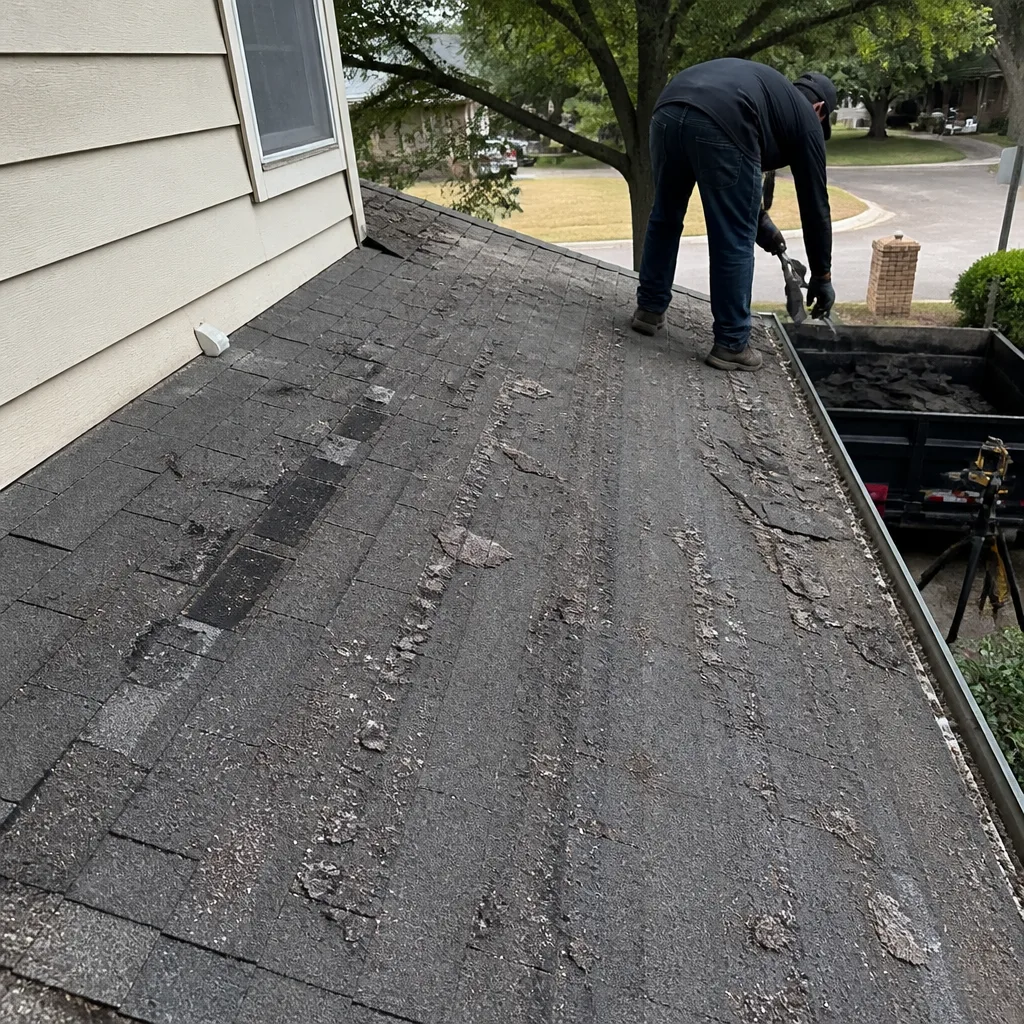 Before
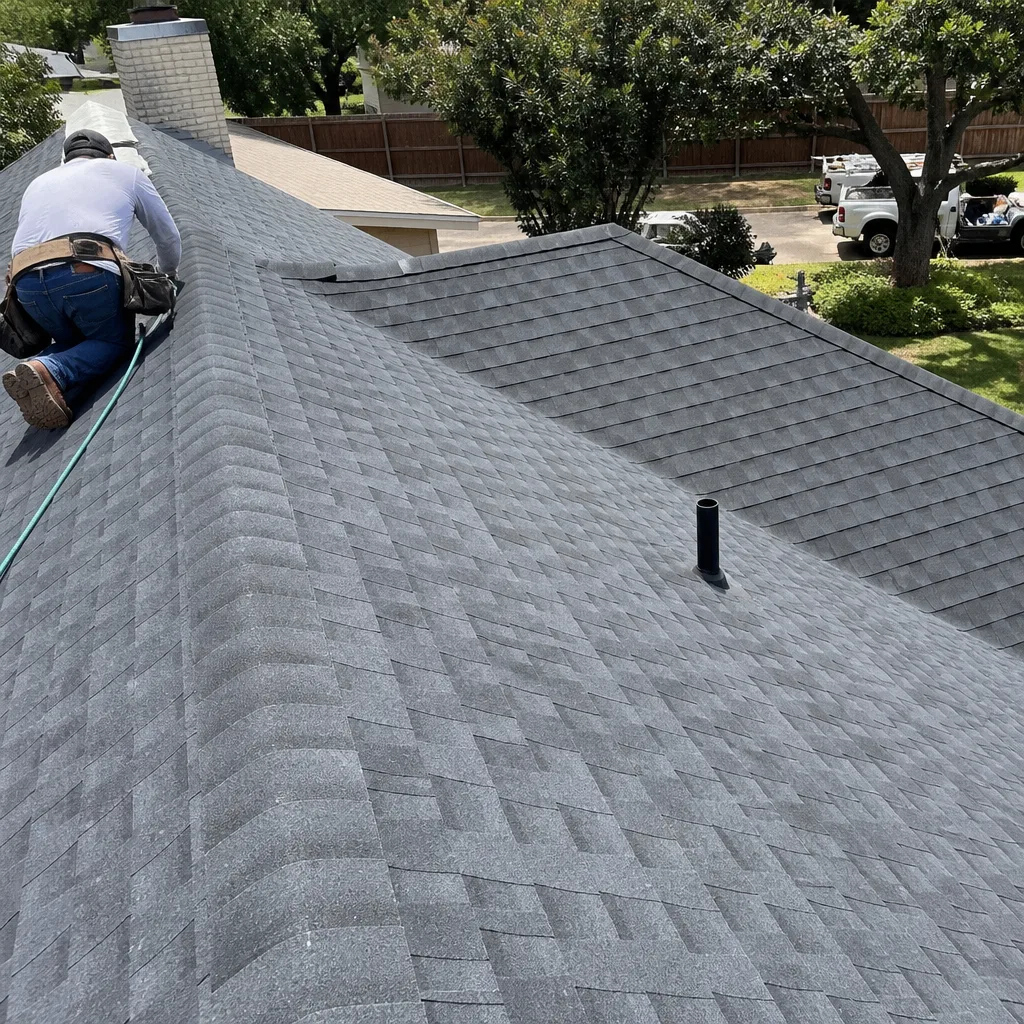 After
After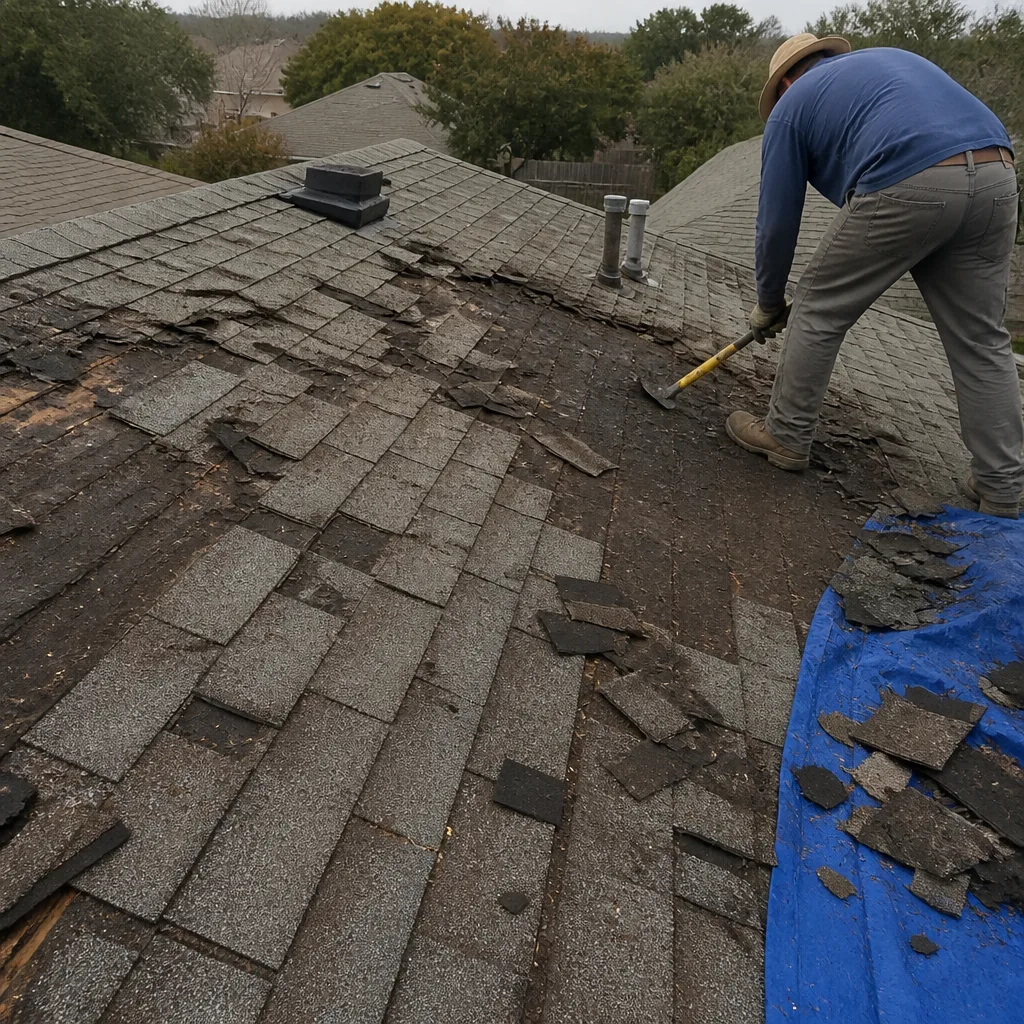 Before
 After
After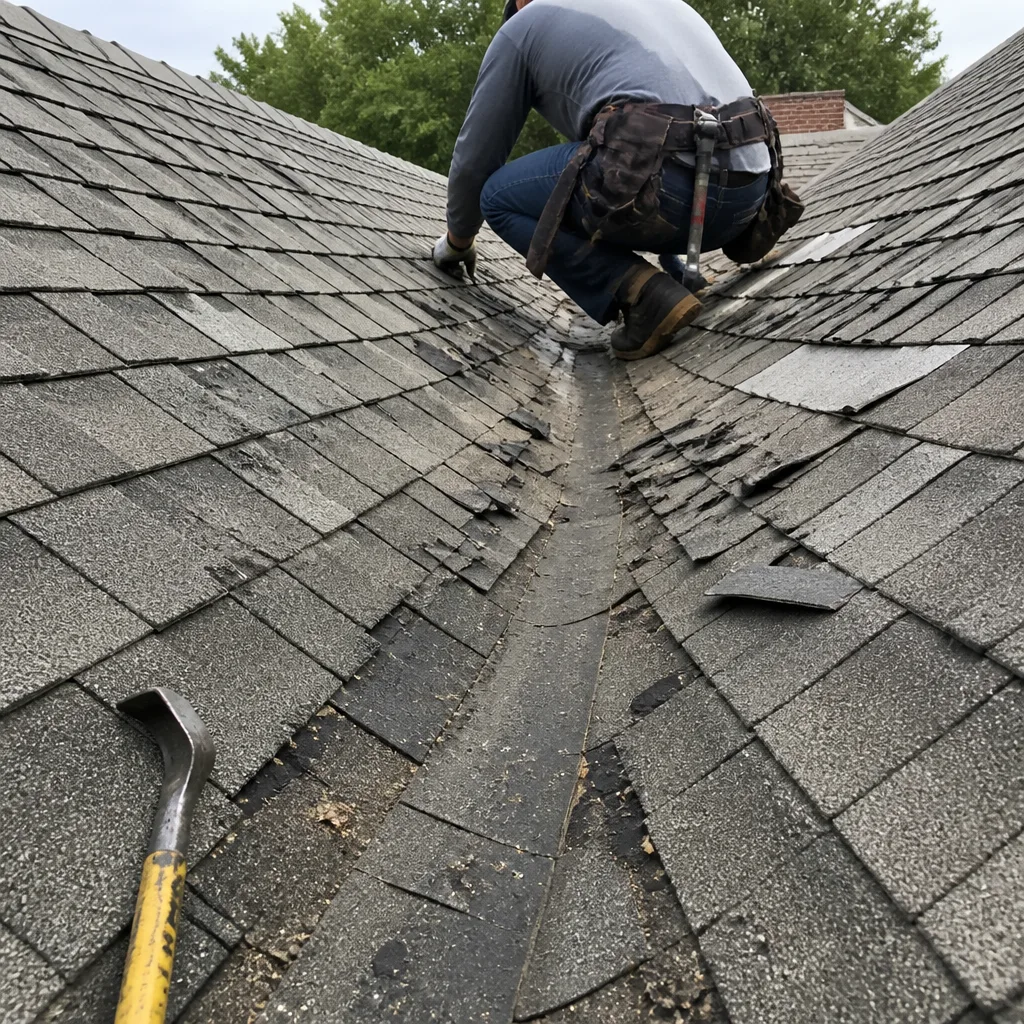 Before
 After
After