
Last updated October 17, 2026
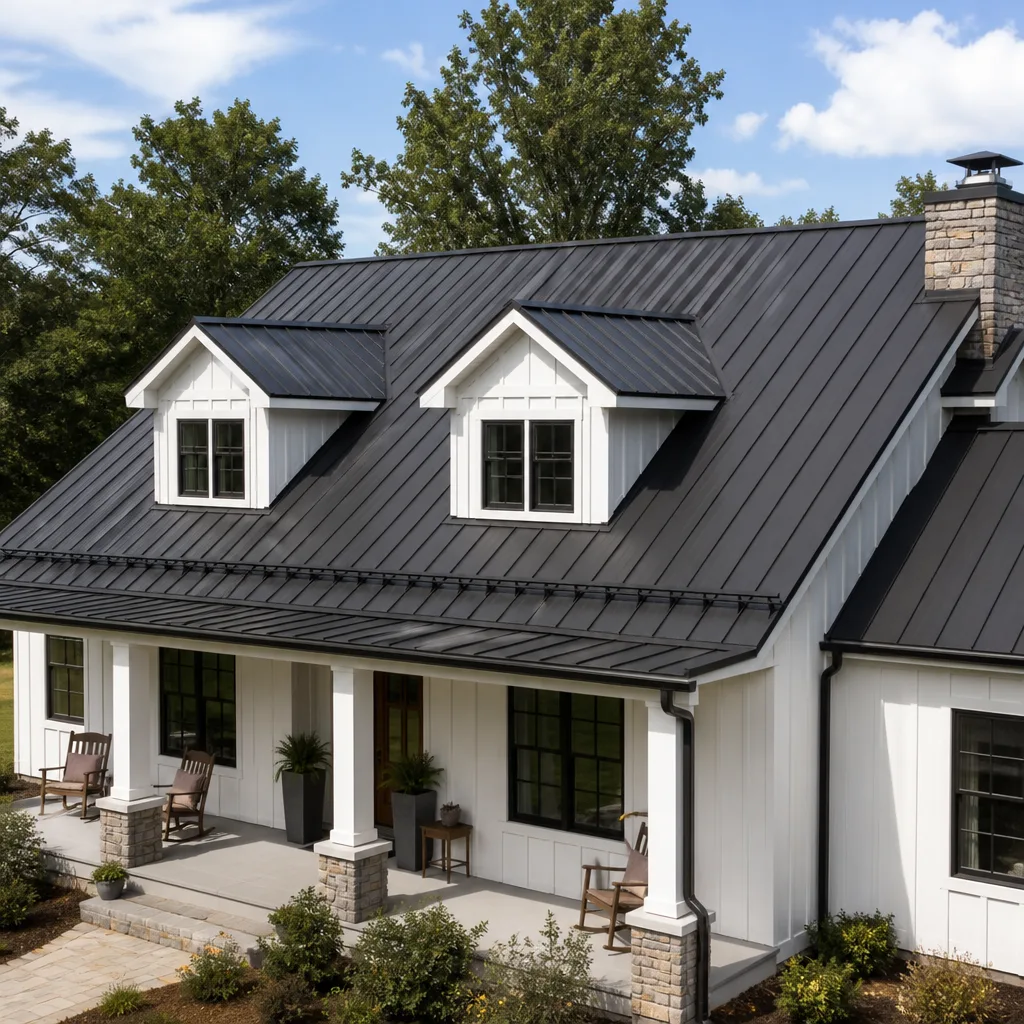 Metal roofing
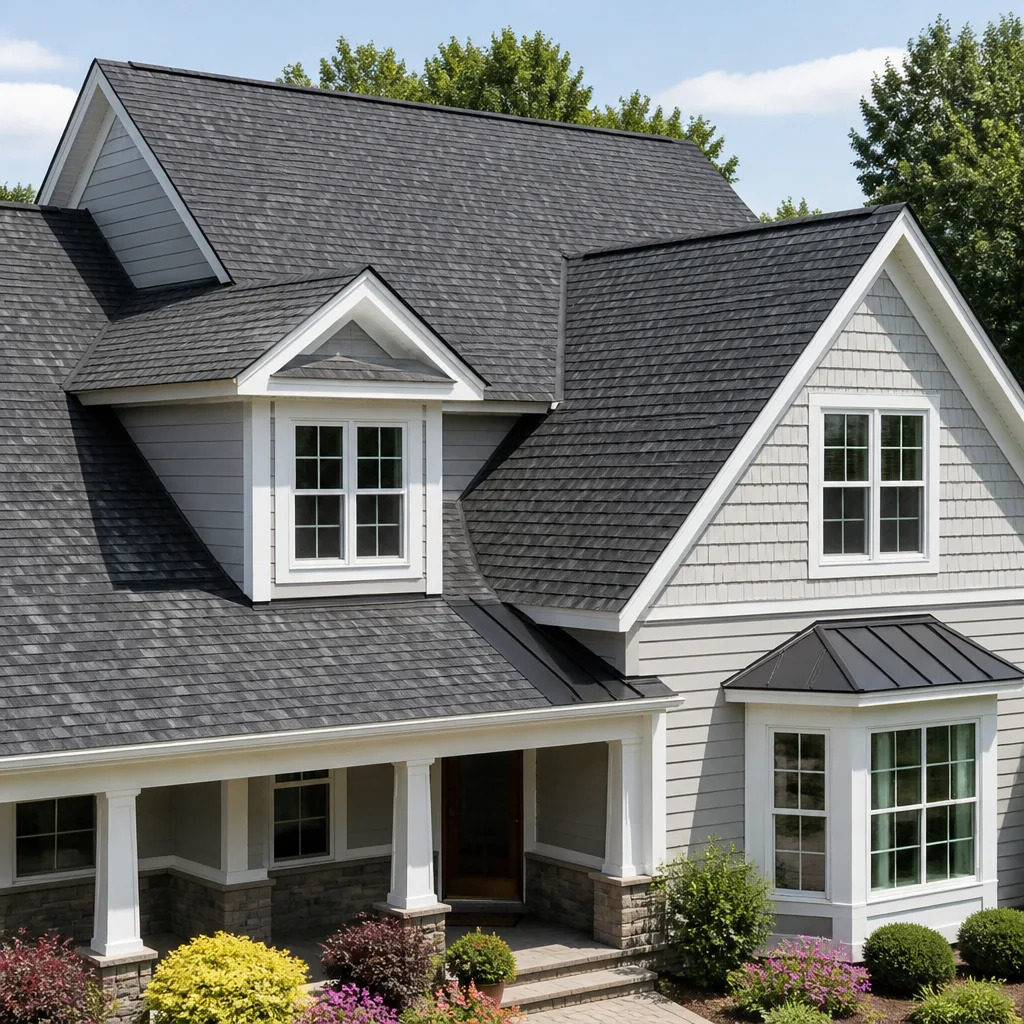 Architectural shingles
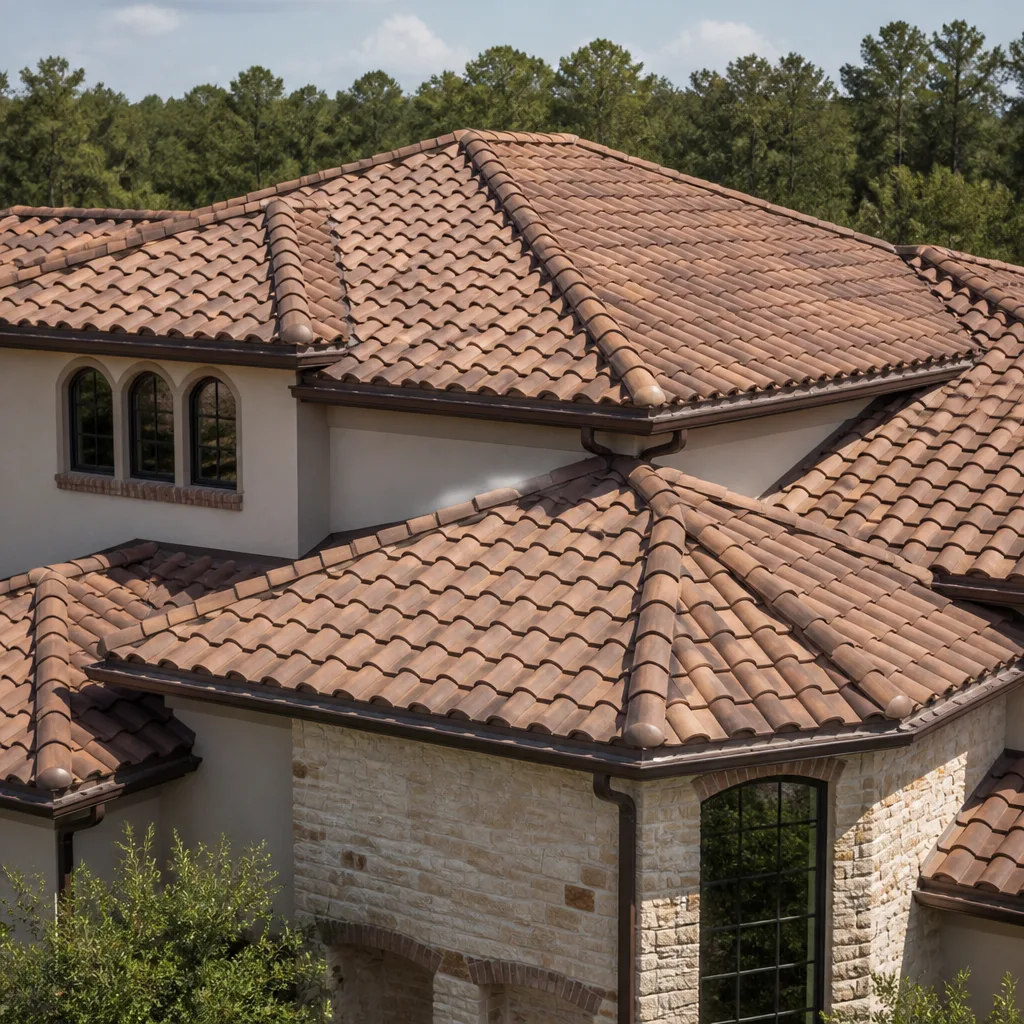 Tile roofing
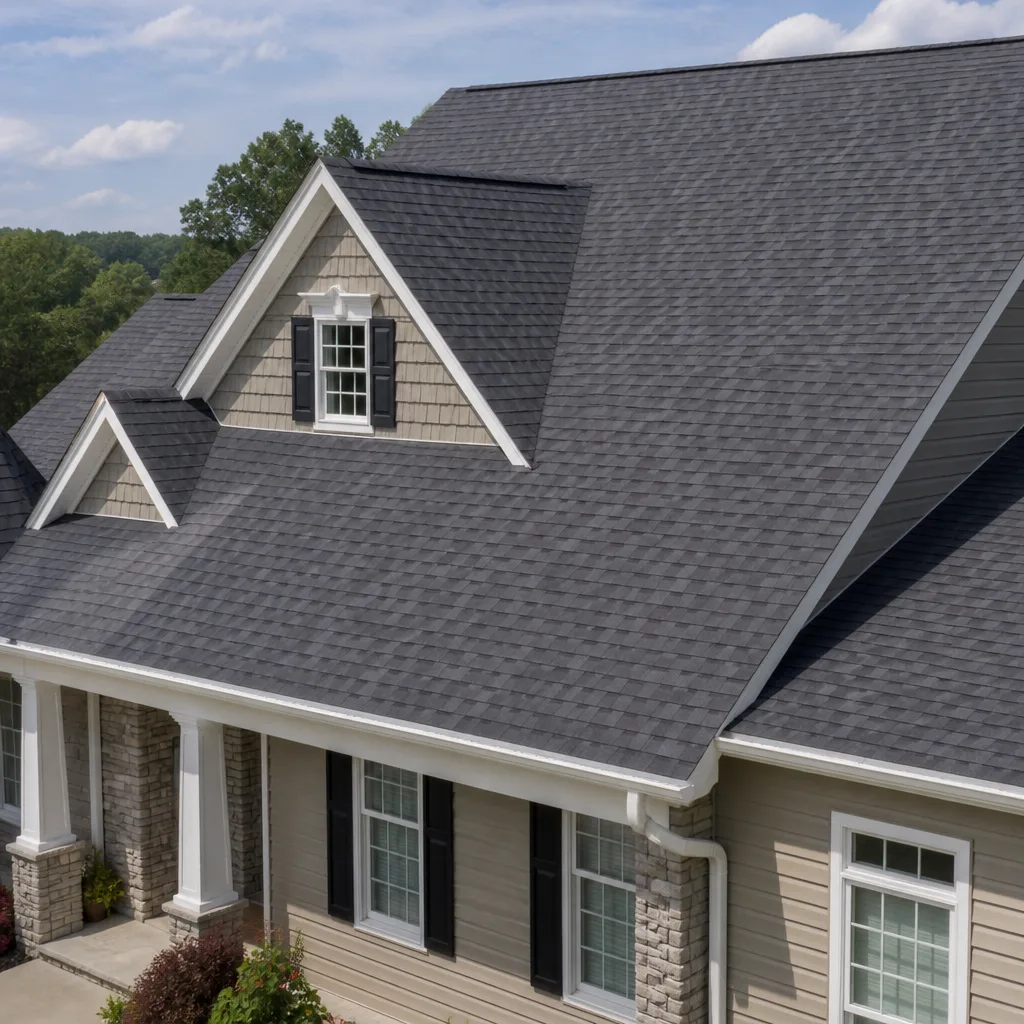 GAF
GAF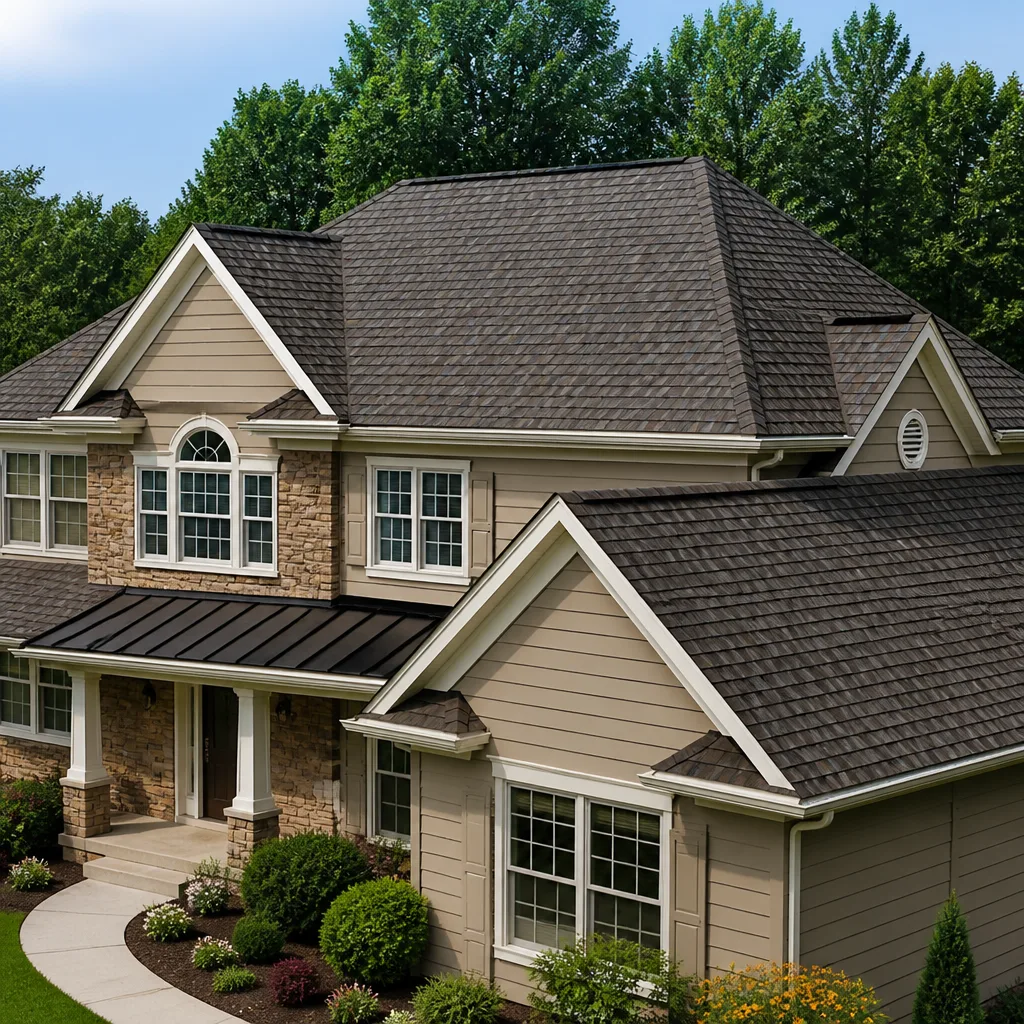 Owens Corning
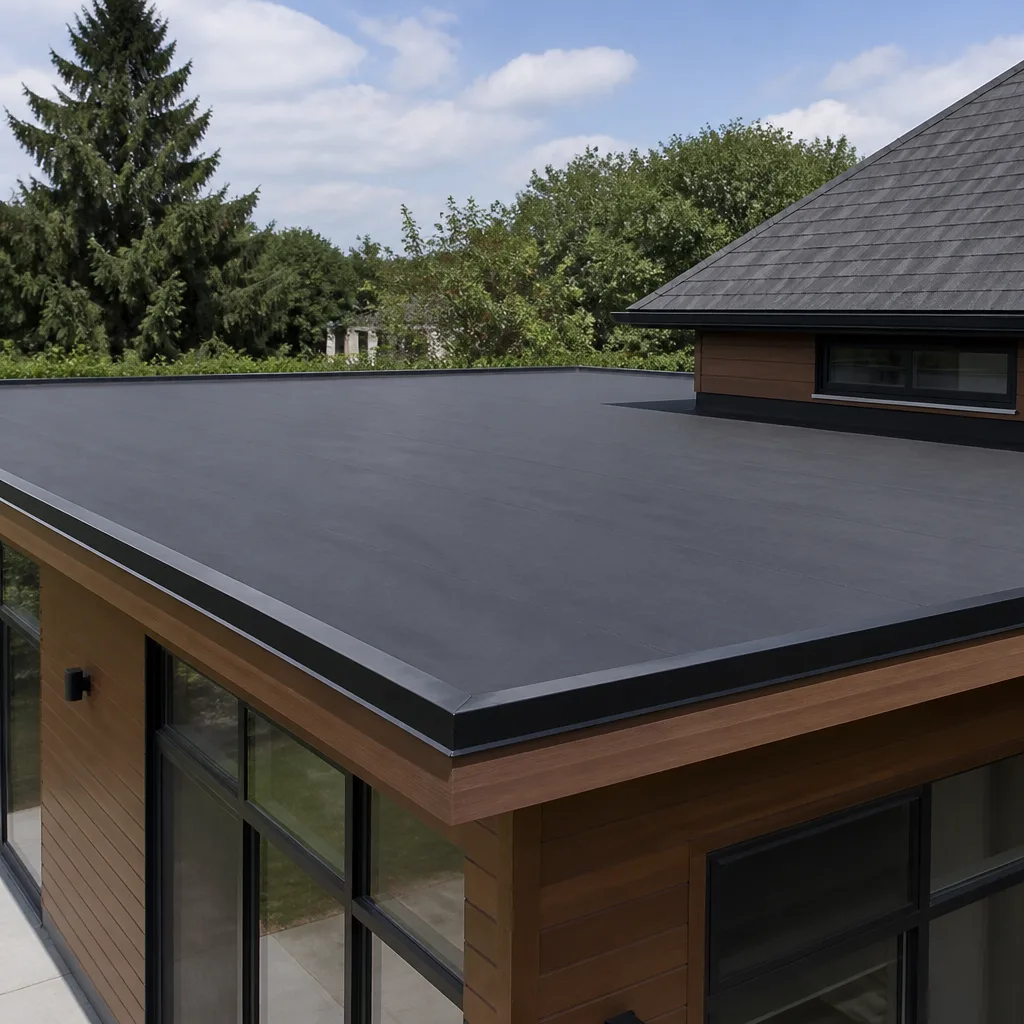 Flat & low-slope
Free roof inspection with deck photos before we talk money - GAF and Owens Corning certified installation
Roofing Permits, Codes & Inspections in TX: What You Need to Know
A roof replacement in the City of Dallas and a roof replacement in an adjacent suburb like Richardson can have completely different permit requirements, inspection steps, and contractor obligations. Most homeowners don’t find out until there’s a problem: a failed closing, a denied insurance claim, or a city inspector flagging work that was never approved. This guide maps what actually applies across Dallas and its neighboring municipalities, how Texas-adopted IRC codes affect material choices, and what happens when unpermitted roofing work surfaces during a sale. For a broader look at protecting your home, see our Roofing Warning Signs: A Dallas Homeowner’s Reference Guide. You’ll learn what the inspectors actually check, what HOAs add on top, and how to keep a roof job from becoming a legal liability.
Quick Answer
Most roof replacements in Dallas, TX require a building permit from the City of Dallas Building Inspection Division when the roof decking is being replaced or when structural repairs are involved. Simple shingle overlays or minor repairs covering less than 100 square feet typically do not require a permit in Dallas proper, but surrounding cities like Plano and Garland set their own thresholds, and some require permits for any full replacement regardless of scope. A final inspection by a city code official is required before the permit closes. If you’re unsure whether your specific project needs a permit, call (903) 499-4441 and we’ll tell you straight.
Styles & brands we work with
Table of Contents
- Dallas Permit Requirements: When a Permit Is Required and When It’s Not
- City-by-City Variation: Dallas, Plano, Garland, and Richardson Compared
- The City of Dallas Building Inspection Process: Step by Step
- How IRC Codes Adopted by Texas Affect Your Dallas Roof
- What Happens When Unpermitted Roofing Work Is Discovered
- HOA Overlay: Deed Restrictions on Top of City Permits
- Permit Costs and Timelines in Dallas-Fort Worth
- Common Mistakes to Avoid
- When to Call a Professional
- Frequently Asked Questions
Dallas Permit Requirements: When a Permit Is Required and When It’s Not
The City of Dallas requires a building permit for roof work when the project involves replacing roof decking, altering the roof structure, or performing a complete tear-off and replacement. The specific threshold: any roofing project where more than 100 square feet of roof decking is being replaced triggers a permit. Minor repairs, such as replacing a few shingles, sealing a small leak, or repairing a section of flashing under 100 square feet, generally do not require a permit.
Here’s the part most homeowners miss: even if your project falls under the permit threshold, the work still has to meet Dallas building code. The permit isn’t what makes the work legal. The code compliance is what makes it legal, and the permit is simply how the city verifies that compliance happened. A contractor who skips the permit is also skipping the inspection, and that means nobody from the city ever confirmed the work was done to code.
Dallas uses the 2021 International Residential Code as its baseline, with local amendments. One amendment that matters for roofing: Dallas requires roof coverings to be installed per manufacturer specifications, and when the roof is on a structure in a windborne debris region, there are additional fastening requirements. We’ll get into those in the codes section below.
What Counts as a “Repair” Versus a “Replacement” in Dallas
- Repair (no permit): Replacing fewer than 10 shingles, patching a small section of underlayment, replacing a single piece of flashing, sealing around a vent pipe.
- Replacement (permit required): Full tear-off of existing shingles and installation of new roofing, replacing any roof decking (plywood or OSB), changing the roof material type (example: composite shingle to metal), or structural modification of any kind.
Dallas is stricter than some Texas cities on this point. Tyler, for example, historically allowed full reroofs without a permit in many residential cases. Dallas does not. If you’re in Dallas proper and getting a full replacement, plan on a permit. It’s part of the job.
City-by-City Variation: Dallas, Plano, Garland, and Richardson Compared
This is where homeowners get burned. A contractor who does most of their work in Garland might tell you “we don’t need a permit for this” based on their experience in Garland, and then they do a job in Dallas where the rules are different. Or they do work in Plano where the rules are stricter than either. You can’t rely on what the contractor says unless they can point to the specific municipal code for your address.
Here’s how four major Dallas-area municipalities actually differ:
| Municipality | Permit Required For | Inspection Required | Contractor Must Be Registered |
|---|---|---|---|
| City of Dallas | Full replacement, decking replacement over 100 sq ft, structural changes | Yes, final inspection | Yes, registered with City of Dallas |
| Plano | Any full roof replacement, any decking replacement | Yes, plus possible mid-project inspection | Yes, registered with City of Plano |
| Garland | Full replacement, decking replacement over 32 sq ft | Yes, final inspection | Yes, registered with City of Garland |
| Richardson | Full replacement, decking replacement | Yes, final inspection | Yes, registered with City of Richardson |
The Garland threshold of 32 square feet for decking replacement is notable. That’s one sheet of plywood. If a roofer pulls up one sheet of rotted decking, that alone triggers a permit in Garland. In Dallas, the same single sheet would fall under the 100-square-foot threshold and not require one.
Unincorporated areas of Dallas County fall under county jurisdiction, which generally follows state minimums and may not require residential roof permits at all. But the moment you’re inside city limits, you’re subject to that specific city’s code. Your address determines everything.
The City of Dallas Building Inspection Process: Step by Step
If you’re getting a permitted roof replacement in Dallas, here’s the actual sequence, from application to final approval:
- Permit application: Your contractor (or you, if you’re doing the work yourself) files a permit application with the City of Dallas Building Inspection Division. This includes the project address, scope of work, contractor’s registration number, and a description of the roof system being installed.
- Plan review (when applicable): Most straightforward residential reroofs in Dallas don’t require full plan review, but if the roof structure is being modified or if it’s a complex architectural roof, the city may route the application to a plans examiner. This adds time.
- Permit issuance: Once approved and the permit fee is paid, the permit is issued. The permit must be posted at the job site, typically in a front window or on a job board visible from the street.
- Work begins: The roofing contractor tears off the old roof, addresses any decking issues, installs underlayment, flashing, drip edge, and the new roof covering.
- Rough inspection (sometimes): Dallas may require a rough inspection when decking is being replaced, to check the nailing pattern and attachment of the decking to the rafters before underlayment goes down. Not every job gets this, but decking replacement jobs often do.
- Final inspection: Once the roof is complete, the contractor schedules a final inspection. The inspector checks the roof covering, flashing details, ventilation, and overall code compliance.
- Permit closure: If everything passes, the inspector signs off and the permit is closed. If issues are found, they’re listed on a correction notice and must be fixed before a reinspection is scheduled.
Typical timeline in Dallas: permit application to issuance takes 1 to 5 business days for a straightforward reroof. The inspection itself is scheduled within 24 to 48 hours of the request. Most residential roof replacements in Dallas, from permit application to final sign-off, run 5 to 10 business days when everything goes smoothly.
In our experience, the most common reason for a failed Dallas roof inspection is improper flashing at penetrations (vents, pipes, chimneys) and improper drip edge at the eaves. Both are fixable, but they’ll delay the job and add a reinspection fee.
How IRC Codes Adopted by Texas Affect Your Dallas Roof
Texas doesn’t have a statewide residential building code. Instead, the state legislature authorizes cities and counties to adopt model codes, and almost every major municipality in the Dallas-Fort Worth metroplex has adopted some version of the International Residential Code (IRC). Dallas currently enforces the 2021 IRC with local amendments. Plano, Garland, and Richardson each have their own adoption dates and amendment packages.
For roofing, the IRC sections that matter in Dallas are Chapter 9 (Roof Assemblies) and the sections governing wind resistance. Here’s what they mean for your material choices:
Wind Uplift Requirements
Dallas sits in a region where the design wind speed is 115 mph for most residential structures. That translates to specific nailing patterns, specific fastener types, and specific underlayment requirements. When we install shingles in Dallas, they’re nailed with a six-nail pattern per shingle, not the four-nail pattern some budget contractors use. The code requires it in our wind zone. A roof nailed to a four-nail pattern in a 115 mph wind zone is more likely to lose shingles in a severe thunderstorm or a tornado’s outer bands.
Impact Resistance
Hail is a fact of life in Dallas. The IRC does not mandate Class 4 impact-resistant shingles everywhere, but many insurers in North Texas offer premium discounts for Class 4 shingles, and some HOAs in Dallas explicitly require them in their architectural guidelines. Products from Atlas (StormMaster line), IKO (Nordic line), and Tamko (StormFighter line) are all commonly installed in Dallas for this reason. Class 4 shingles are tested against 2-inch steel balls dropped from 20 feet. They’re not hail-proof. Nothing is hail-proof. But they hold up better than standard shingles, and that’s what the code plus insurer math rewards.
Ventilation Requirements
The 2021 IRC requires attic ventilation at a ratio of 1/150 of the attic floor area, or 1/300 if the ventilation is balanced between intake and exhaust. Dallas summers make this matter. An improperly ventilated attic hits 140°F or higher in August, which cooks the shingles from underneath and shortens their lifespan. We regularly see roofs in Dallas neighborhoods like Lake Highlands and Preston Hollow where shingles are brittle and cracking at year 12 or 13, and the cause is almost always inadequate ventilation, not defective shingles.
What Happens When Unpermitted Roofing Work Is Discovered
The “contractor said we don’t need one” defense does not hold up. Here’s what actually happens when unpermitted roofing work surfaces in Dallas:
During a Home Sale
Texas is a seller’s disclosure state. The Seller’s Disclosure Notice asks directly about repairs, alterations, and improvements, including whether permits were obtained. The buyer’s lender or appraiser may flag a newer roof with no permit on record, particularly in Dallas where the city keeps permit records searchable online. If pulled permits don’t match the physical condition of the house (new roof, no permit), the buyer can demand a remedy: retroactive permit, inspection, or a price concession. Retroactive permits in Dallas are possible but expensive. The city charges a penalty fee in addition to the standard permit fee, and the work has to pass inspection retroactively, which means any non-compliant work has to be ripped out and redone.
During an Insurance Claim
Texas insurers increasingly ask for proof of permitted work before approving a roof claim. If a hailstorm damages a roof that was replaced three years ago without a permit, the adjuster may ask for the permit record. No permit means a fight. In some cases, the insurer will deny the claim on the basis that the property was illegally altered. In others, they’ll process the claim but subtract the cost of bringing the work into compliance. Either way, the homeowner pays a price for the original contractor’s shortcut.
Code Enforcement Action
If a neighbor files a complaint or a code enforcement officer notices work being done, the city can issue a stop-work order. The homeowner is responsible for resolving it, even if the contractor was the one who skipped the permit. This can mean paying fees, paying double permit fees, and paying another contractor to fix non-compliant work. The original contractor who skipped the permit is often long gone by then.
Bottom line: unpermitted roofing in Dallas is a liability that follows the house, not the contractor. If a contractor tells you no permit is needed, ask them to put it in writing and show you the specific code section that exempts your job. We do this for our customers as a matter of course at Brennan Roofing Co Dallas home. The permit question gets answered before any work starts.
HOA Overlay: Deed Restrictions on Top of City Permits
Dallas has some of the most active HOAs in Texas. Neighborhoods like Lakewood, Bluffview, Melshire Estates, and the master-planned communities in North Dallas and Far North Dallas all have deed restrictions that govern what you can put on your roof. The city permit and the HOA approval are two separate things, and both are required when the HOA has jurisdiction.
Here’s how the two layers interact:
- City permit: Governs whether the work is legal under Dallas building code. Issued by the City of Dallas Building Inspection Division.
- HOA approval: Governs whether the work is allowed under the neighborhood’s deed restrictions and architectural guidelines. Issued by the HOA’s architectural review committee.
- Sequence: You get HOA approval first, then the city permit. The HOA wants to see what you’re installing. The city wants to see that what you’re installing meets code. They don’t talk to each other.
- Common HOA restrictions in Dallas: Approved shingle colors, required architectural shingle (not 3-tab), Class 4 impact resistance requirements, and restrictions on metal roofs in certain neighborhoods.
We’ve seen HOAs in Dallas neighborhoods like The Peninsula and Lake Highlands Estates require a full architectural submittal: shingle brand, shingle line, color, and sometimes a sample board. The typical HOA approval window is 14 to 30 days in Dallas, so the HOA step has to start before the permit step. Homeowners who put the HOA application off until the week before the job discovers they’ve just added a month to their timeline.
If both city and HOA requirements apply, and they conflict, the stricter standard wins. A color that passes city code but violates HOA guidelines gets rejected by the HOA. A material that the HOA loves but that doesn’t meet Dallas wind requirements gets rejected by the city. Both approvals are mandatory.
Permit Costs and Timelines in Dallas-Fort Worth
Permit fees are a small line item compared to the roof itself, but they’re not free, and they vary by city:
- City of Dallas: Residential reroof permits typically run $150 to $350 depending on project valuation.
- Plano: Similar range, $200 to $400 for a standard reroof.
- Garland: $100 to $250 for residential reroofs.
- Richardson: $150 to $300 for residential reroofs.
These are the fees themselves. Add reinspection fees if an inspection fails ($75 to $150 depending on city), and add the cost of retroactive permitting if work was done without one (often double the original fee plus a penalty).
Timeline for a typical Dallas roof replacement with permit:
- HOA approval (if applicable): 14 to 30 days
- City permit application and issuance: 1 to 5 business days
- Roof installation: 1 to 3 days for most residential roofs
- Inspection scheduling: 24 to 48 hours
- Final inspection and permit closure: same day as inspection, if it passes
Total realistic timeline in Dallas, with HOA and permit: 3 to 6 weeks from start to final sign-off. Without HOA: 1 to 2 weeks. This is exactly why we tell homeowners to start the HOA conversation early. It’s the longest pole in the tent. If you need a Roofing Company in Dallas that handles the paperwork as part of the job, that’s what we do.
Common Mistakes to Avoid
- Trusting the contractor’s word on permits without verification. Contractors work in multiple cities, and their “we don’t need a permit” answer may be based on one city they work in a lot, not the one where your house sits. Verify with the city directly or require the contractor to cite the specific code section.
- Starting the HOA application late. In Dallas neighborhoods with active HOAs, the architectural review can take a month. Start it the same day you choose your roof, not the week before install.
- Choosing material based on price alone, not wind and hail ratings. A Class 4 shingle from Atlas, IKO, or Tamko costs more upfront, but in Dallas hail country, it’s the difference between a roof that survives a hail event and one that becomes an insurance claim.
- Ignoring ventilation requirements. The IRC ventilation code isn’t a suggestion. An unventilated attic shortens your roof’s lifespan and can void the shingle manufacturer’s warranty.
- Skipping the final inspection. A permit that’s open but never closed is a liability. Some Dallas homeowners don’t realize their contractor never scheduled the final inspection, and they find out at sale time.
- Using a contractor who isn’t registered with the city. Dallas requires roofers to be registered. An unregistered roofer can still do the work, but the permit gets issued to a contractor who is registered, meaning the paperwork doesn’t match reality. That’s a red flag for lenders and code enforcement.
- Assuming a handyman can do it. Roofing in Dallas requires specific skills for flashing, decking, and wind-rated installation. A handyman with a ladder and a nail gun is not the same as a licensed roofer who knows the code.
When to Call a Professional
If your roof is at the point where decking needs replacement, flashing is compromised, or the roof covering is past its serviceable life, this is not a DIY project. The code requirements for wind uplift, impact resistance, and ventilation in Dallas are specific, and a homeowner who gets them wrong is putting a liability on their house, not just a roof. For the full picture, read The Complete Guide to Roofing in Dallas. Full replacements should always go through a registered contractor who pulls the permit, schedules the inspections, and stands behind the work. Brennan Roofing Co Dallas offers free estimates in Dallas, and we’ll give you a written price before any work starts. Call (903) 499-4441.
Frequently Asked Questions
A residential roof replacement permit in Dallas typically costs between $150 and $350 depending on the project’s valuation. That’s the fee before any reinspection fees, which run $75 to $150 per visit if an inspection fails. Call (903) 499-4441 for an exact quote on your specific job, including the permit fee. Estimates are free.
You need a permit in Dallas if the replacement involves tearing off the full roof, replacing more than 100 square feet of roof decking, or changing the roof structure. A simple repair of a few damaged shingles or a small flashing patch does not require a permit. When in doubt, call the City of Dallas Building Inspection Division or ask us to verify for you.
Dallas generally issues residential reroof permits within 1 to 5 business days. Plano’s timeline is similar, though more complex jobs that require plan review can take longer. The bigger variable in both cities is HOA approval, which can add 14 to 30 days when it applies.
The Dallas roof inspector checks that the installed roof matches the permitted scope: correct shingle installation per manufacturer specs and wind requirements, proper flashing at all penetrations, proper drip edge at eaves and rakes, adequate attic ventilation, and that any replaced decking meets nailing and attachment code. If something is off, you’ll get a correction notice and the job has to come back for a reinspection.
You can sell it, but the unpermitted roof will likely surface during the sale. Texas seller’s disclosure requires you to disclose unpermitted work, and most buyers’ lenders will flag a newer roof with no permit record. The remedy is usually a retroactive permit and inspection, which means the work has to pass, and if it doesn’t, the cost to redo it comes out of the sale. It’s a liability that follows the house.
If your property is in a deed-restricted community with an active HOA, yes. The HOA’s architectural guidelines govern shingle type, color, and sometimes impact rating, and the HOA approval is separate from the city permit. Both are required. The HOA approval typically needs to happen first, and in Dallas it can take a month.
Yes. We handle the permit application, schedule the inspections, and see the project through to a closed permit. Every job starts with a written price in hand, and every job is backed by our 365-Day Done Right Promise: if it’s not done right, we make it right, in writing, at no charge. Call (903) 499-4441 to get started.
The Bottom Line
Roofing permits in Dallas and its surrounding cities are not optional paperwork. They’re how the city verifies your roof was installed to code, and skipping them creates a liability that follows the house through any future sale or insurance claim. Dallas requires permits for full replacements and decking replacement over 100 square feet, while Garland’s threshold is lower and Plano’s process may include extra inspection steps. HOAs add another approval layer. The way to keep all of it straight is to work with a contractor who handles permits, inspections, and paperwork as part of the job, and who puts the price in writing before any work starts. For more guides & resources, visit our blog. That’s how we’ve operated since 2000.
Written by Travis Oakley, Owner at Brennan Roofing Co Dallas, serving Dallas since 2000.
See the difference
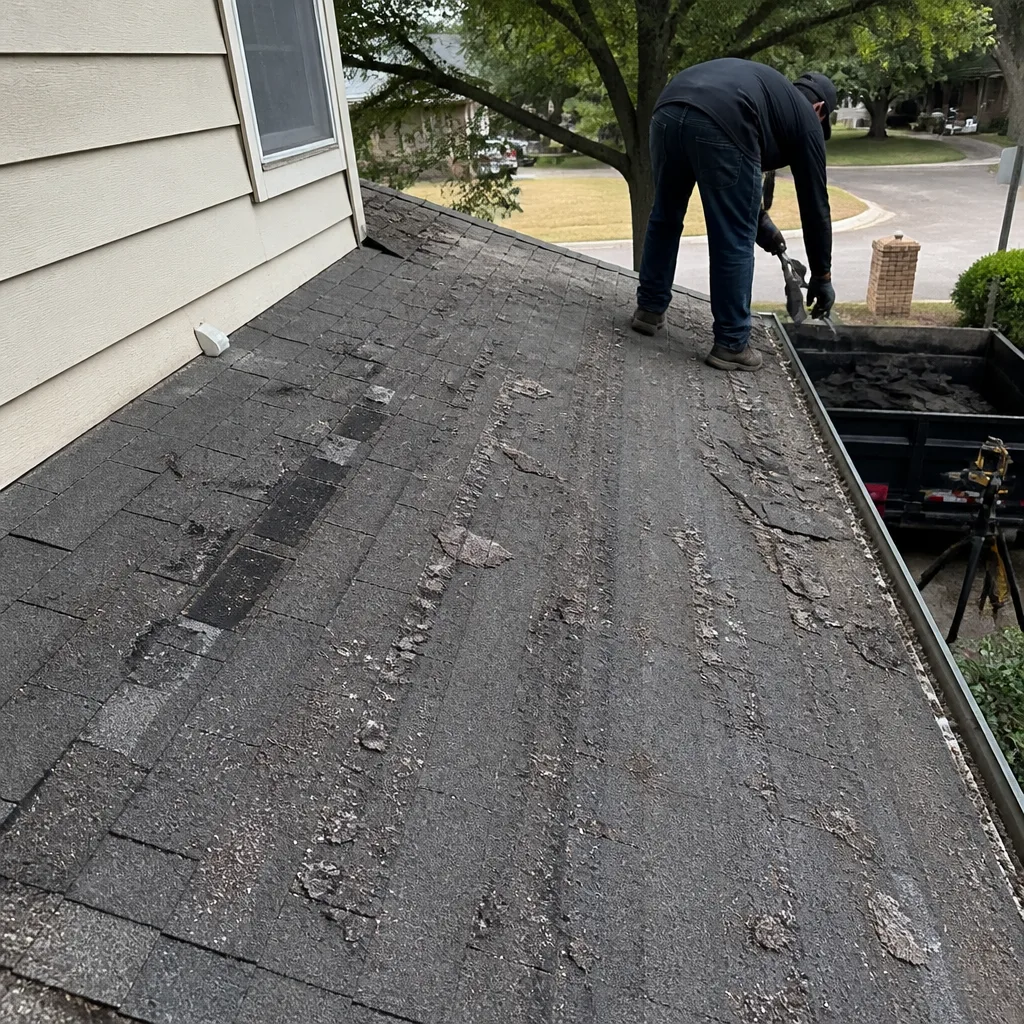 Before
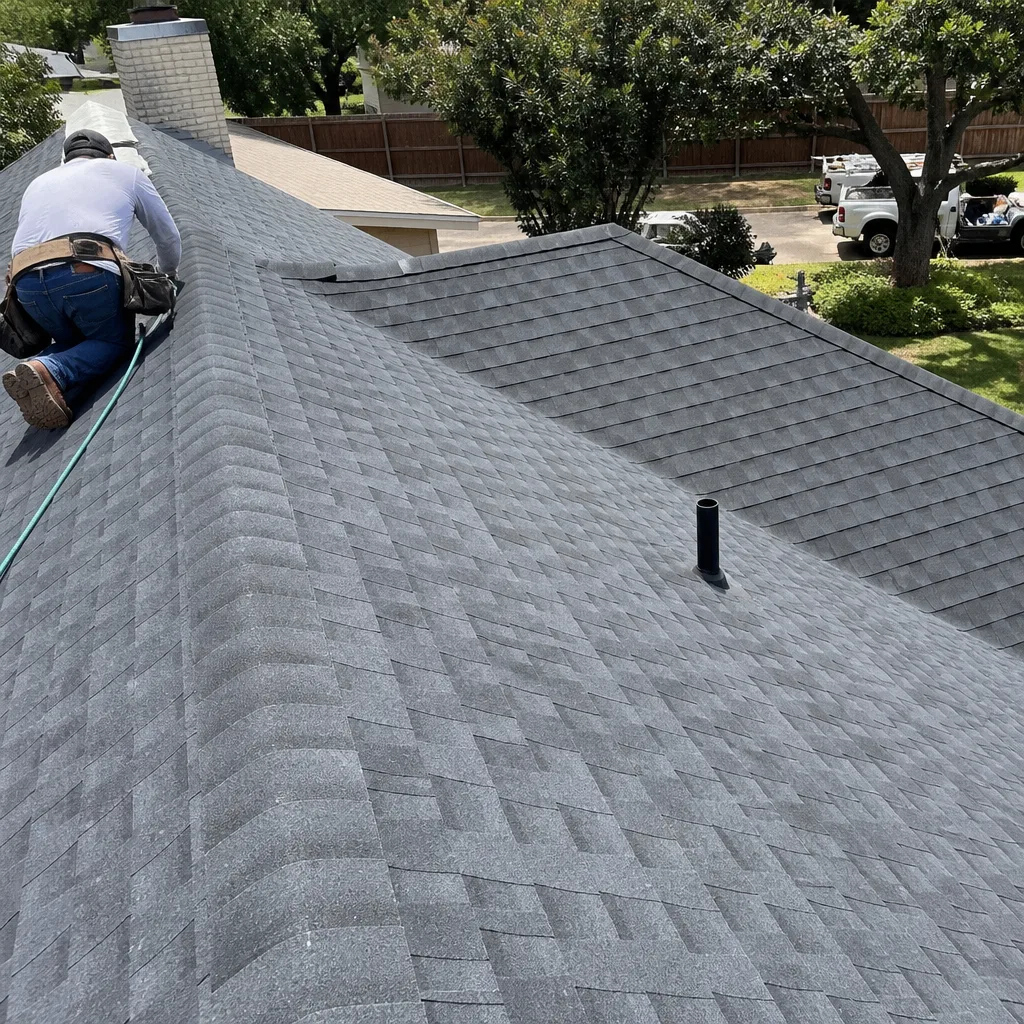 After
After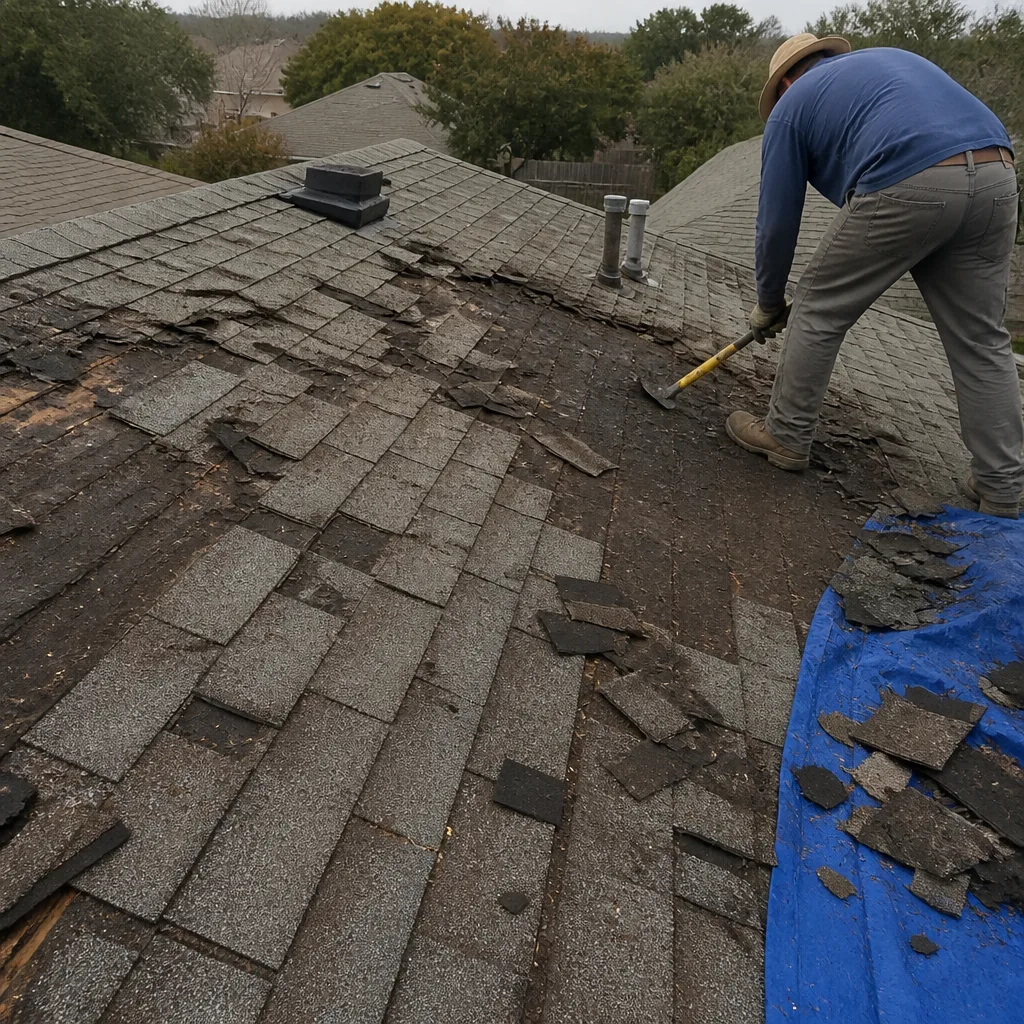 Before
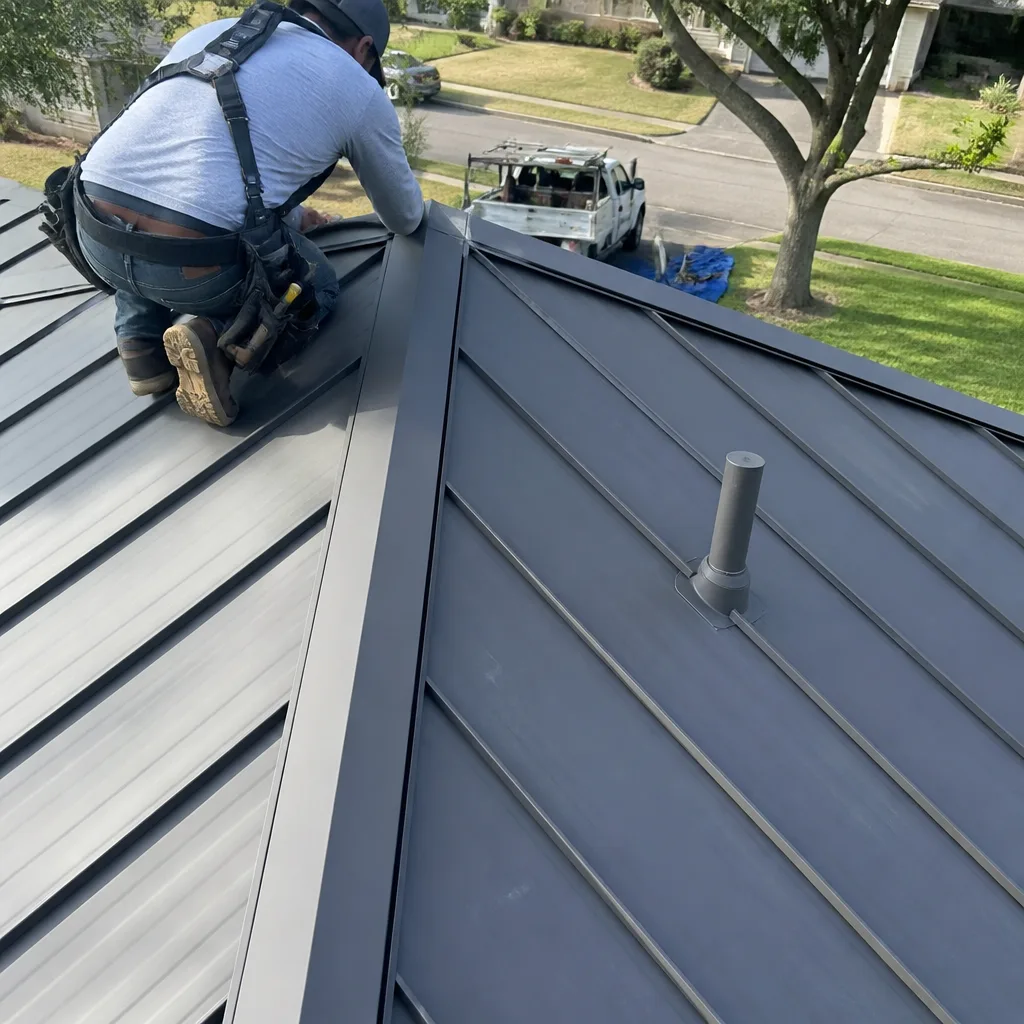 After
After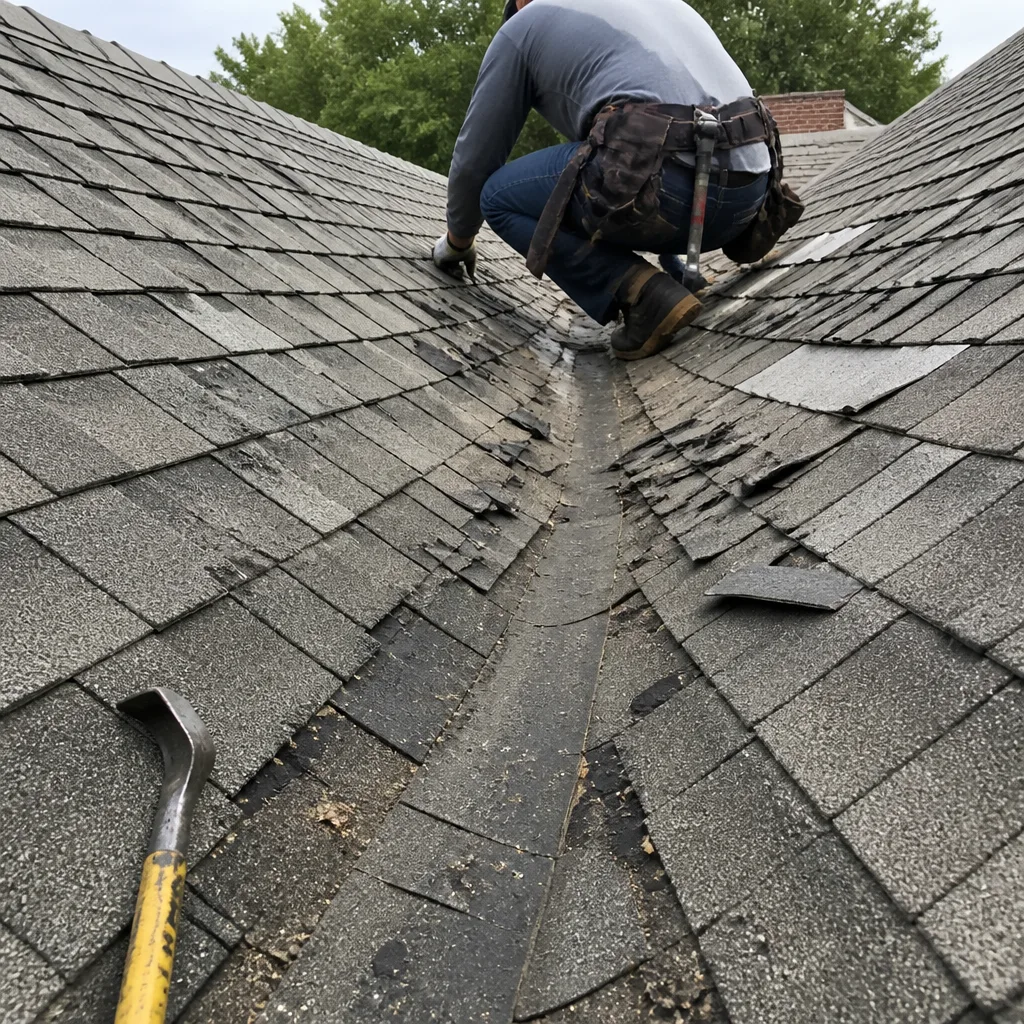 Before
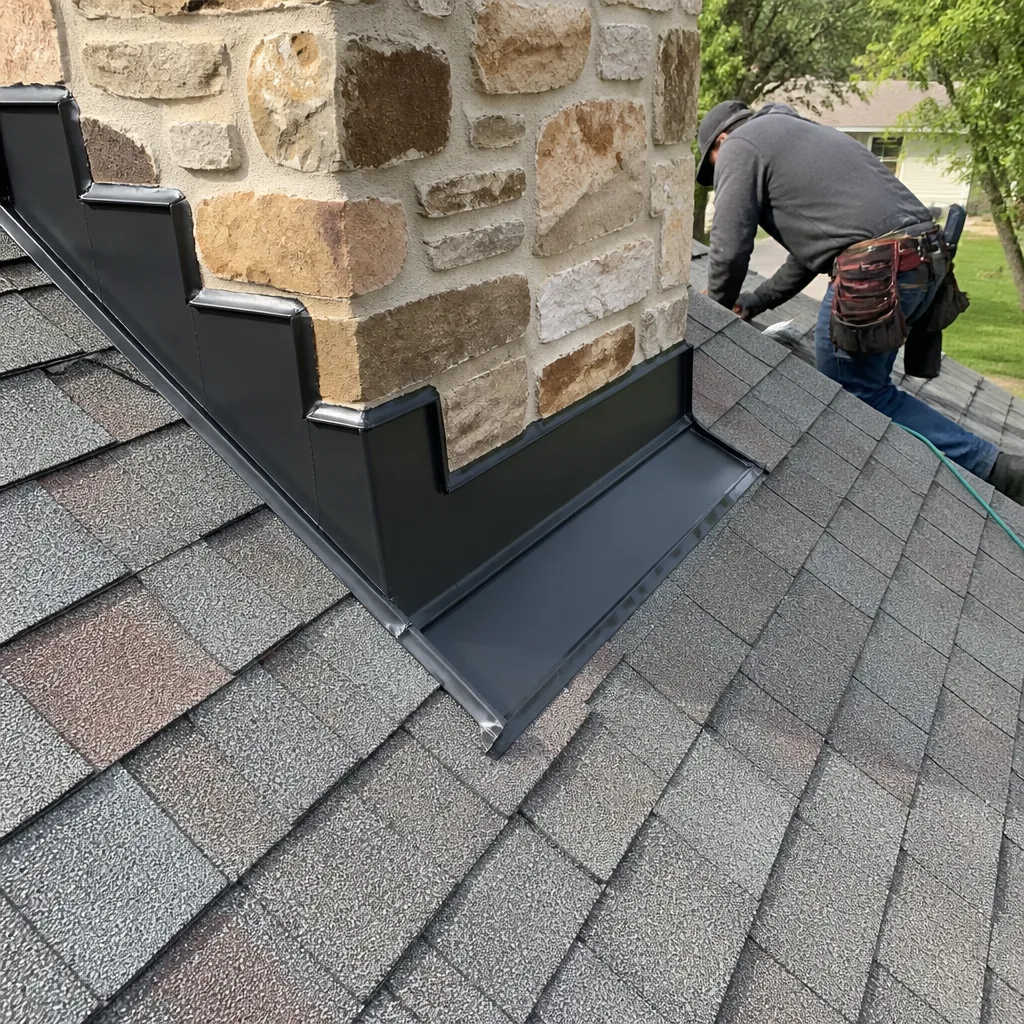 After
After