
Last updated October 17, 2026
 Metal roofing
 Architectural shingles
 Tile roofing
 GAF
GAF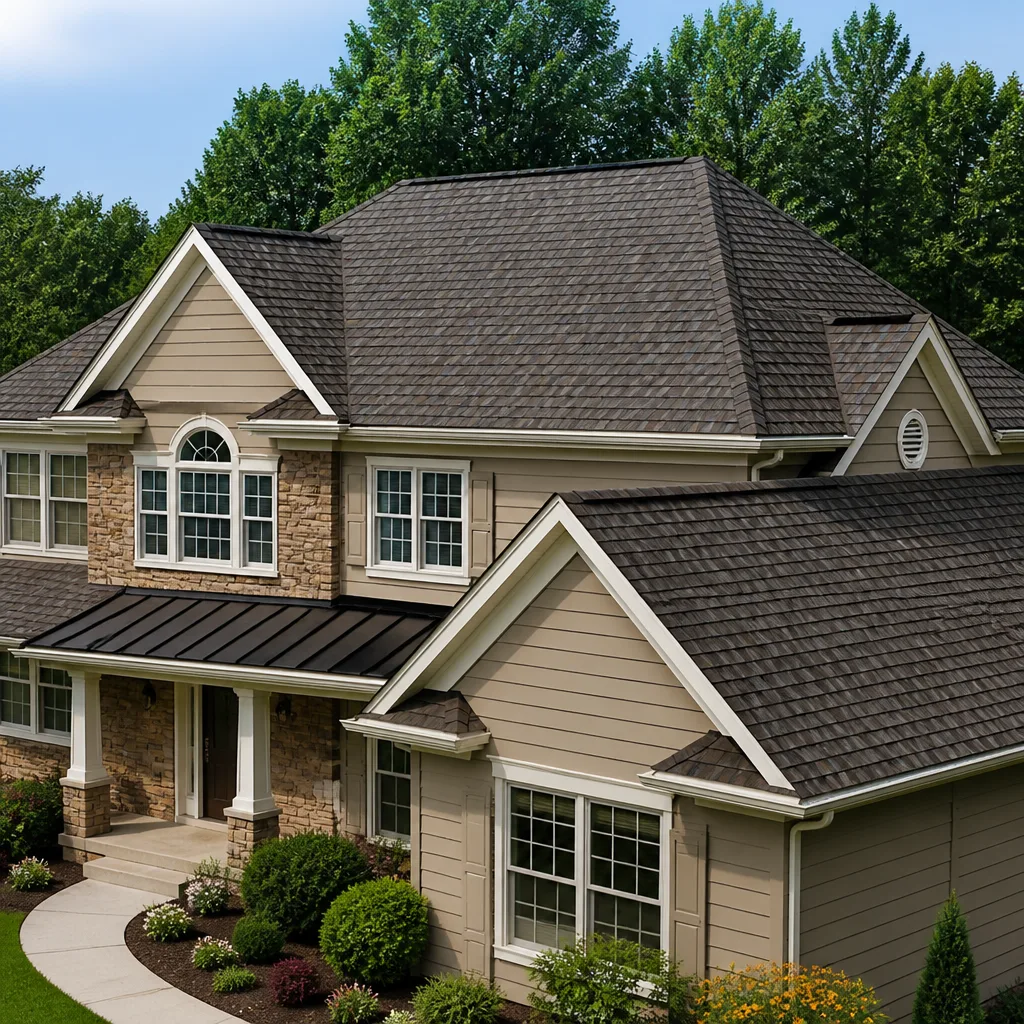 Owens Corning
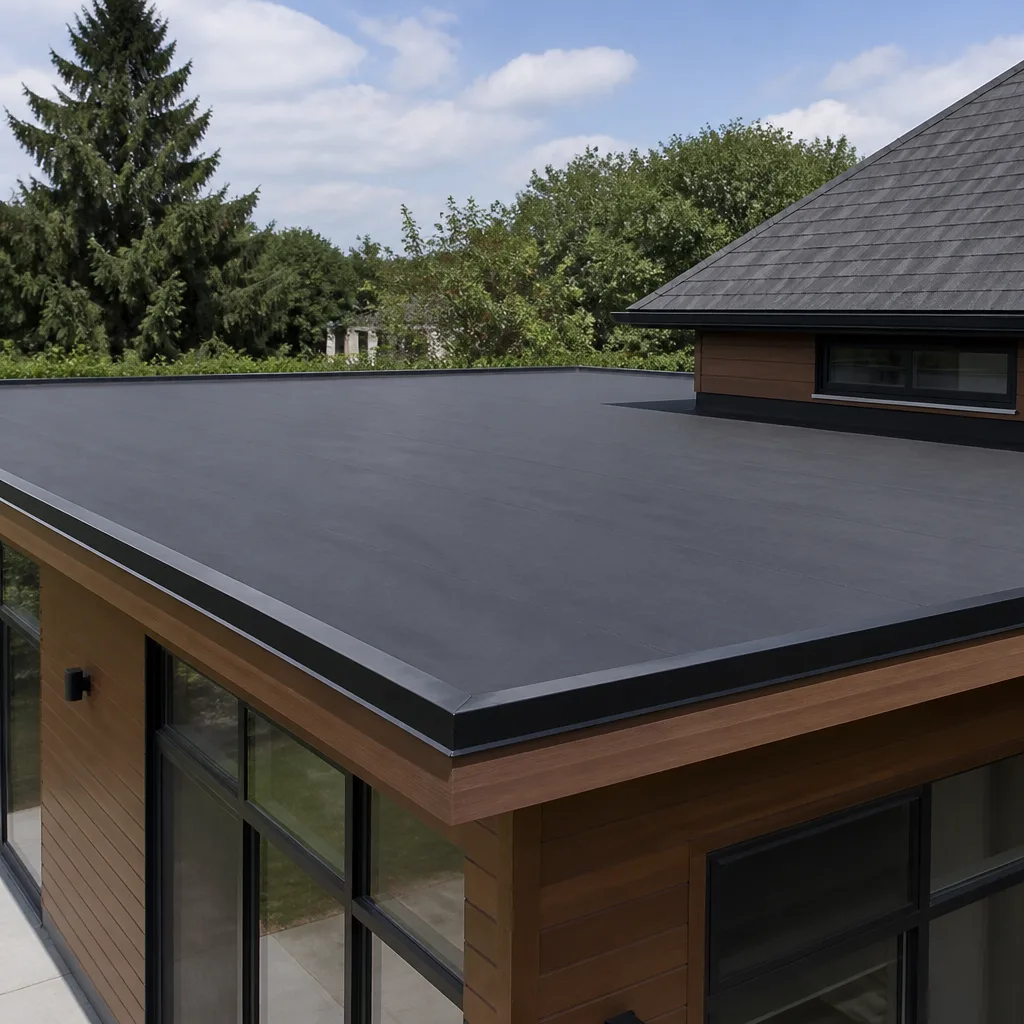 Flat & low-slope
Free roof inspection with deck photos before we talk money - GAF and Owens Corning certified installation
DIY vs Professional Roofing: The Dallas Homeowner’s Decision Guide
A homeowner in Dallas who starts a DIY roof repair in late April and hits an unexpected storm system has exactly the kind of problem that turns a $600 material cost into a $6,000 interior water damage claim. The question isn’t whether you can swing a hammer. It’s whether you understand what a Dallas roof is up against, what your insurance policy actually covers, and what happens when a three-hour job stretches into a three-day open deck during a spring squall. This guide breaks down the real numbers, the actual risks, and the specific repair types where a competent homeowner can safely save money versus the ones that belong in professional hands from the first nail. For more on finding the right pro, see our step-by-step guide.
Quick Answer
For small, single-spot repairs like replacing one or two missing shingles on a walkable roof pitch or resealing a single pipe boot, a careful Dallas homeowner with proper safety gear can reasonably DIY and save $250 to $600 in labor. Anything involving flashing replacement, valley work, full replacement, structural decking repair, or work on a roof steeper than 6:12 pitch is better left to a licensed professional because the liability, warranty, and insurance exposure outweighs the labor savings in almost every case.
Styles & brands we work with
Table of Contents
- The Repairs a Competent Dallas Homeowner Can Actually DIY
- Where DIY Creates Legal and Financial Exposure in Dallas
- The Dallas Weather Timing Problem
- Real Cost Comparison: DIY vs Professional in Dallas
- How to Evaluate Your Own Situation Honestly
- Tool and Material Access: What Homeowners Don’t Know
- Common Mistakes to Avoid
- When to Call a Professional
- Frequently Asked Questions
The Repairs a Competent Dallas Homeowner Can Actually DIY
We’re not going to pretend that every roof task requires a crew and a dump trailer. There are three repair types where a homeowner who is physically capable, owns or rents proper safety equipment, and has a walkable roof pitch (6:12 or shallower) can genuinely do the work without creating more risk than they’re solving.
1. Replacing One to Three Missing Shingles
A single missing shingle after a windstorm is the most common DIY-appropriate repair in Dallas. The job involves lifting the shingle tabs above the damaged spot, removing the old nails, sliding a new shingle into place, and nailing it at the correct points. The material cost runs $1.50 to $4 per shingle at any Dallas supply house. The catch is matching the shingle. If your roof is older than five years, the color will have faded, and a new shingle from the same bundle won’t match. You need a close-enough color match from whatever the local supplier stocks, which is often good enough for a small patch but visible up close.
2. Resealing a Pipe Boot
The rubber boot around a plumbing vent pipe degrades under Dallas sun faster than almost anything else on a roof. UV exposure cracks the rubber, and the seal around the base opens up. A homeowner can buy a tube of roofing sealant for $8 to $15, scrape the old sealant away, and reseal around the pipe. This is not complicated work, and it’s often the difference between a small leak and a ceiling stain. The key is getting up there before the seal fully fails, not after water has already tracked into the attic. If the boot itself is cracked through, not just the sealant, the whole boot needs replacement, which requires lifting shingles around it. That’s still within DIY reach for a competent homeowner, but it’s the upper limit of what we’d call safe and straightforward.
3. Clearing a Blocked Valley
Dallas has an enormous tree canopy for a metro its size, and leaf debris in roof valleys is a real problem. A valley is the V-shaped channel where two roof planes meet. When leaves, twigs, and shingle granules collect there, they hold water against the shingles and can back up water under the shingle edges during a rain event. Clearing this with a leaf blower from the roof surface or a soft broom (never a pressure washer) takes 20 minutes and costs nothing. This is the single highest-value DIY roof maintenance task a Dallas homeowner can do, and it prevents more leak calls than just about anything else. For a complete list of seasonal tasks, see our Roofing Company Maintenance Checklist for Dallas Homeowners.
The common thread here is simple: these repairs are small, localized, and do not involve opening any part of the roof system beyond the immediate damaged area. If the repair takes more than two hours, you’ve crossed into a different category of work.
Where DIY Creates Legal and Financial Exposure in Dallas
This is the section most “DIY vs Pro” articles skip, and it’s the one that matters most in Dallas. The question isn’t whether you can complete the repair. It’s whether completing it yourself triggers a chain of consequences you didn’t know about until it’s too late.
Voided Manufacturer Warranties
Every major shingle manufacturer, including GAF and Owens Corning, writes its warranty terms around the assumption that installation follows their published installation instructions. When a homeowner performs a repair incorrectly, the manufacturer can and does deny warranty claims on the affected roof section. If the roof is five years old and under a 30-year or 50-year warranty, a botched DIY repair that causes a leak can forfeit warranty coverage on a roof that would otherwise be covered. We’ve seen homeowners lose more money in voided warranty value than they saved in labor costs on a single repair.
Permit Requirements for Full Replacement
The City of Dallas requires a permit for any full roof replacement. The permit process includes an inspection of the completed work. When a homeowner pulls a permit for their own replacement and the inspection fails, they’re on the hook for corrections with no contractor to call back. When a roofing company pulls the permit, the company is responsible for passing inspection. This is not a technicality. A roof replacement that fails inspection can halt a home sale, delay an insurance claim, and require hundreds or thousands in corrective work before the city signs off.
Insurance Complications with Unpermitted Work
Here’s where Dallas homeowners get genuinely hurt. If you do unpermitted roof work and that work is later connected to a water damage claim, your insurance carrier has grounds to deny the claim. Insurance policies almost universally require that any work affecting the structure be performed to code and with required permits. We’ve spoken with Dallas homeowners who self-repaired a roof section, filed a water damage claim six months later after a storm, and were told the claim was denied because the prior repair was unpermitted and could not be verified as having met local code. The insurance company doesn’t need to prove your repair caused the leak. They only need to establish that the roof wasn’t in compliance with local requirements at the time of the claim. That burden falls on you.
This is the part of the decision that has nothing to do with your skill with a hammer. You could be fully capable of the physical work and still be making a poor financial decision because of the exposure you’re creating on paper.
The Dallas Weather Timing Problem
Dallas weather doesn’t cooperate with amateur schedule estimates. The metro sits in a transition zone between the humid subtropical climate of East Texas and the drier plains to the west, and the result is a roof-degradation environment most national DIY guides don’t account for.
The Calm Windows Are Short
There are roughly two reliable windows for safe roof work in Dallas: mid-October through late November, and late February through mid-April. Everything outside those windows carries meaningful risk. Summer roof work means surface temperatures of 140 to 160 degrees on dark shingles, which is not just uncomfortable, it’s a heat exhaustion risk on a slope. Spring and fall bring the storm systems that produce the hail and wind damage Dallas roofs are famous for. Winter brings ice accumulation on north-facing roof planes that a homeowner will not reliably detect from the ground.
What an Unexpected Storm Does to an Open Deck
The worst-case scenario isn’t a homeowner getting rained on. It’s a homeowner who has removed more shingles than they can replace in one session, then watches a storm cell build on the horizon. An open roof deck with torn-away underlayment can channel water into the attic within minutes of the first heavy rain. Once water enters the attic, it tracks along rafters, drops onto drywall ceilings, and soaks insulation. A $600 material repair becomes a $6,000 interior claim that your insurance may deny because the roof was left open by an unpermitted, non-professional repair. In Dallas, spring cells can build from scattered clouds to hail-producing thunderstorms in under an hour. If a three-day DIY repair estimate stretches to seven days because of rain delays, you’re living with a tarp or an open deck for a week.
Professional crews face the same weather, but they arrive with the manpower, the tarps, the staging plan, and the experience to button up a roof before the first drop falls. They also carry insurance that covers the house if the weather beats them to it. A homeowner does not.
Real Cost Comparison: DIY vs Professional in Dallas
Let’s look at what a homeowner actually spends on a mid-size repair, not what a blog post estimates. We’re using a realistic scenario: a Dallas roof with a damaged section of 20 shingles over a small leak area, requiring removal of the damaged shingles, replacement of a 10-foot strip of underlayment, and installation of new shingles.
Homeowner Costs for This Repair
- Materials: 20 architectural shingles at $1.50 each, 10-foot rolls of underlayment at $25, roofing nails at $10, sealant at $12, pipe collar replacement at $18. Total: roughly $85.
- Tools unavailable in a typical garage: you’ll need to buy or rent a roofing nailer (rental $35 to $50 per day in Dallas), a shingle pry bar ($15), a utility knife with hooked blades ($12), a chalk line ($8), and a fall protection kit if the roof is higher than one story ($90 to $150). Total: $160 to $235 for tools alone the first time.
- Time: A first-timer doing this repair on a 6:12 roof should budget six to eight hours. That includes setup, roof access logistics, the repair itself, and cleanup. You’re using a full Saturday, and if anything goes wrong, Sunday too.
Homeowner total: $245 to $320 in cash outlay, plus a full day or more of labor, plus the assumption of all risk.
Professional Costs for the Same Repair in Dallas
- Labor and materials: Dallas roofing companies price this scope between $450 and $700 depending on roof height, pitch, and accessibility.
- Warranty: The repair is covered in writing. At Brennan Roofing Co Dallas, every repair is backed by the 365-Day Done Right Promise, which means if the repair fails within a year, we return and fix it at no charge.
- Insurance: The work is performed by a company carrying liability and workers’ compensation coverage, so you’re not exposed if someone is injured on your property.
Professional total: $450 to $700, with warranty coverage, insurance, and no personal risk.
The honest assessment is that the homeowner saves $150 to $400 on paper. When you factor in tool costs, the value of your time, the cost of a mistake that requires calling a pro anyway, and the lost warranty coverage the pro would have provided, the savings essentially evaporate for a one-off repair. The math changes if the homeowner expects to do multiple small repairs over several years and already owns the tools. But for a one-time repair, the spreadsheet is closer than most people expect.
How to Evaluate Your Own Situation Honestly
We’re not going to tell you that every DIY repair is a mistake. That’s not true. Here’s a plain-language framework for deciding whether your specific situation is one where DIY makes sense or one where the risk is too high.
Step 1: What is the roof pitch?
Stand in your yard and look at the roof. If the slope is gentle enough that you can walk it comfortably without holding onto anything, you’re on a 4:12 or shallower pitch, and the fall risk from a slip is manageable with basic caution. If the slope is steep enough that you would lean into it while walking on flat ground, you’re at 7:12 or steeper, and you have no business being up there without full fall protection and roofing-specific footwear. Most Dallas ranch homes built in the 1960s through 1980s have 4:12 to 6:12 roofs, which are walkable for an experienced person but unforgiving to a first-timer.
Step 2: What is the decking condition?
Before you touch a shingle, you need to know what’s under it. If the roof is 25 years old and the decking was never replaced, you may find rotten or soft sheathing once you pull the shingles. That’s a structural repair, not a shingle repair, and it absolutely requires a professional. In our experience across Dallas, roofs over 30 years old have rotten decking in 40 to 50 percent of cases. You won’t know until the shingles come off, and if you find it, you’re now in over your head with an open roof.
Step 3: Where are we in the storm calendar?
If it’s May and the long-range forecast shows the typical Dallas spring pattern, do not start a roof repair that will take more than one session. The window will close. If you commit to a DIY repair and it’s only half done when the system arrives, you’ve created the problem this guide opened with.
Step 4: What is your own fall-risk tolerance?
Roof falls are the leading cause of fatal home improvement accidents in the United States. This is not a training-wheels task. If you’re not comfortable on a ladder for more than a minute, if you have any balance issues, if you’re on medications that cause dizziness, or if you simply don’t like heights, the decision is already made for you. Call a professional and keep both feet on the ground.
Step 5: What happens if you get it wrong?
If the repair fails and you don’t discover it until water stains appear on the ceiling, what has the mistake cost you? The repair cost itself, plus the interior drywall repair, plus the insulation replacement, plus potentially the insurance claim that gets denied because of the prior unpermitted work. The downside of a failed DIY roof repair in Dallas is not the repair cost. It’s the interior claim and the insurance complication. If you can’t afford that downside, pay for the professional and get the written warranty.
Tool and Material Access: What Homeowners Don’t Know
The home improvement stores make it look easy. Walk in, grab a bundle of shingles, grab a nailer, and you’re a roofer. The reality is different in ways that matter.
First, the shingles carried by Dallas big-box stores at the retail consumer price point are not the same grade as what most professional roofing companies, including Roofing Company in Dallas professionals install. The architectural shingles sold in retail channels are often second-quality versions of the same model lines that contractors buy through supply houses like ABC Supply or Beacon. The manufacturer warranty language differs between the two channels. A homeowner buying retail shingles may be getting a product with a shorter, more limited warranty than the same-named shingle sold through a professional supply house. That’s not a conspiracy, it’s just product tiering.
Second, you cannot buy the same roof repair materials in Dallas through a professional supply house without a contractor account. Things like proper drip edge in the correct gauge, high-quality synthetic underlayment, starter shingles, and the correct sealant formulations are not always on the shelf at the retail store. You can improvise, but improvised materials are exactly where failures begin on a roof system.
Third, material costs are not what they were three years ago. The Dallas roofing supply market has seen steady price increases on asphalt shingles, and consumers pay more per square foot than contractors because they’re buying in small quantities without negotiated pricing. The advantage you think you have on material costs is much smaller than you expect, especially once you factor in the tools you’ll need.
Common Mistakes to Avoid
- Starting a repair you can’t finish in one session. The Dallas weather forecast changes by the hour in spring. If your repair requires more than one day on the roof, you need multiple dry, calm days in a row. Those are rare in April and May.
- Not checking the underlayment condition before replacing shingles. Torn, brittle, or missing underlayment under a shingle patch is a future leak waiting to happen. If the underlayment is compromised, the repair is incomplete no matter how clean the shingle work looks.
- Using the wrong nails or nailing pattern. Roofing nails in Dallas need to be a specific length and the shingles need to be nailed in the correct zone, not wherever is convenient. A single misplaced nail line can void a manufacturer warranty and cause shingle blow-off in the first windstorm.
- Skipping the fall protection kit because the roof ‘doesn’t look that steep.’ Most fatal roof falls happen from single-story roofs at modest pitches, because that’s where homeowners feel safe enough to skip the harness. Fall protection rental costs $50 and saves your life.
- Reusing old flashing. When you remove shingles around a chimney, vent, or wall intersection, the flashing underneath is probably at the end of its life. Reusing old flashing to save $40 in materials will leak within a year, and the leak will be in exactly the spot you thought you fixed.
- Ignoring the permit question entirely. Full replacements in Dallas require a permit. A homeowner who skips the permit to save $200 will lose more than that when the home is appraised or sold and the unpermitted roof is flagged.
- Leaving the job site a mess. Loose nails in the yard, shingle debris scattered around the foundation, and scrap materials stacked against the house are hazards and eyesores. Professional crews in Dallas are responsible for site cleanup as part of the job. A DIY repair that leaves debris behind is a liability you’re now responsible for.
When to Call a Professional
There are situations where the decision makes itself. If you see water stains on the ceiling and you don’t know exactly where the roof is leaking, that’s a diagnostic job that requires attic inspection and roof surface tracing. If you have broken or missing flashing around a chimney, skylight, or wall intersection, that’s not a shingle repair, it’s a waterproofing detail that fails expensively when done wrong. If you need a full roof replacement, that’s a permit job, a crew job, and a warranty job, not a Saturday project. If your roof is two stories, steep, or has been patched multiple times by previous owners, you’re dealing with accumulated issues that need a full roof inspection in Dallas to understand. Brennan Roofing Co Dallas offers free estimates in Dallas, written on paper before any work starts, so you’re not committing to anything by calling. The number is (903) 499-4441.
Frequently Asked Questions
Yes, homeowners in Dallas are legally allowed to perform repairs on their own homes without a contractor’s license, but full roof replacements require a city permit, and the work must meet current building code. Unpermitted work can complicate future insurance claims and home sales. Call (903) 499-4441 to speak with a live person about what your specific repair requires.
A small roof repair in Dallas typically costs between $250 and $700, depending on the scope, roof height, and materials involved. A homeowner doing the same repair themselves might spend $100 to $300 on materials and tools, but takes on all risk and no warranty coverage.
Never attempt flashing replacement, valley reconstruction, structural decking repair, full replacement, or any work on a roof steeper than 6:12 pitch. These jobs involve systems-level waterproofing and structural work where mistakes create leaks hidden inside wall cavities and attics until the damage is extensive.
In many cases, no. Insurance policies exclude damage caused by faulty workmanship, and if the work was unpermitted or not performed to code, the carrier has grounds to deny the claim entirely. Professional roofing work in Dallas is performed under contractor liability and workers’ compensation insurance, which protects the homeowner from exactly this scenario.
Most single-spot roof repairs in Dallas are completed in two to four hours once the crew is on site. Larger repairs involving multiple areas or structural decking can take a full day. The limiting factor in Dallas is almost always weather, not labor, which is why professional crews stage materials and tarps before opening any roof section.
Every Dallas homeowner should clear leaves and debris from roof valleys at least twice a year, check for cracked pipe boot seals after summer, and inspect flashings around chimneys and vents after spring storm season. A professional roof inspection every two to three years catches small issues before they become leaks. For more guides & resources, visit our blog. For a free estimate, call (903) 499-4441.
The Bottom Line
The DIY vs professional roofing question in Dallas isn’t about your capability, it’s about your exposure. You can handle a single missing shingle or a cracked pipe boot if you’re on a walkable roof and you own or rent proper safety gear. But once the repair involves flashing, valleys, decking, permits, or warranties, the risk equation flips hard and fast. Dallas weather punishes open roofs. Insurance companies punish unpermitted work. Manufacturers punish improper installation. The professional invoice buys you more than labor, it buys you the warranty, the insurance, and the paper trail that protects you when things go wrong. And things do go wrong on Dallas roofs. Call (903) 499-4441 for a free written estimate before you decide which side of this equation you’re on. For more context on how a professional Brennan Roofing Co Dallas home approaches every job, we’ve laid out our full process and pricing structure for Dallas homeowners to review before deciding.
Written by Travis Oakley, Owner at Brennan Roofing Co Dallas, serving Dallas since 2000.
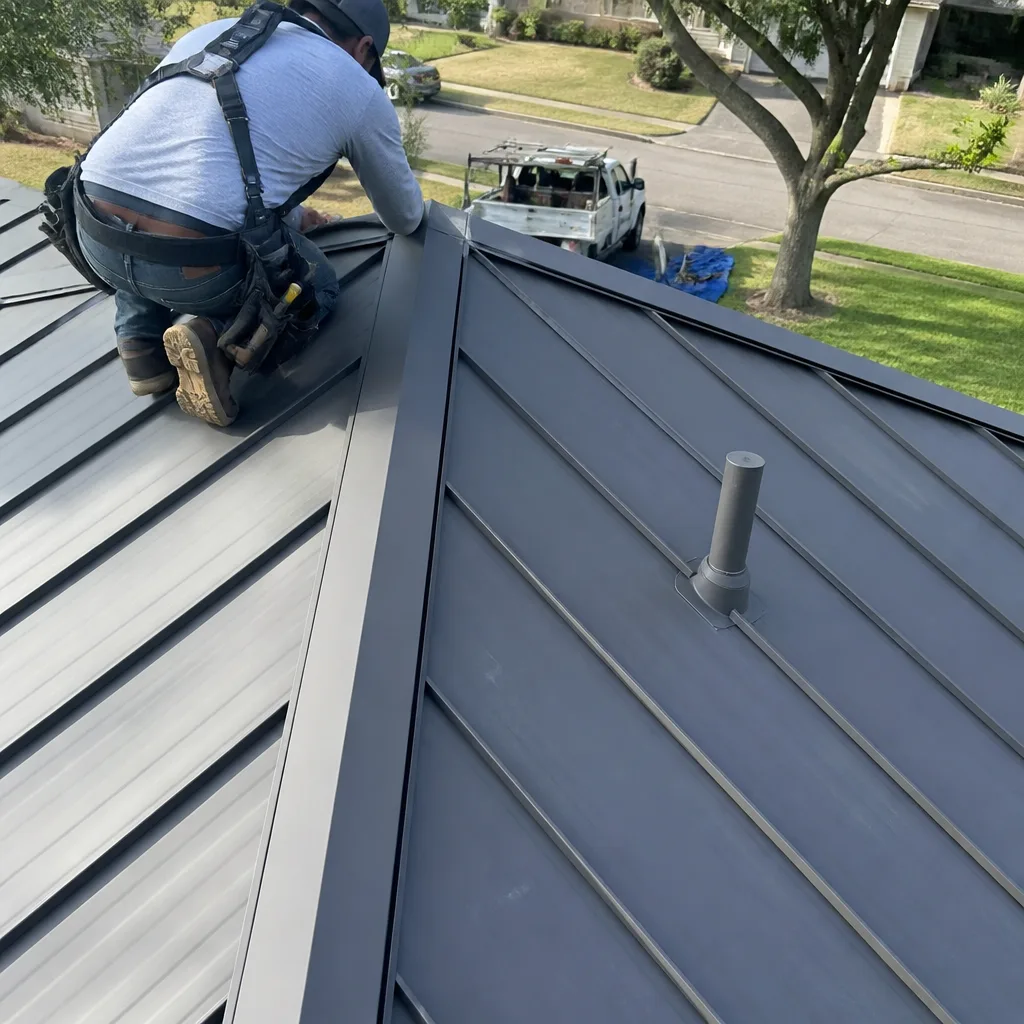
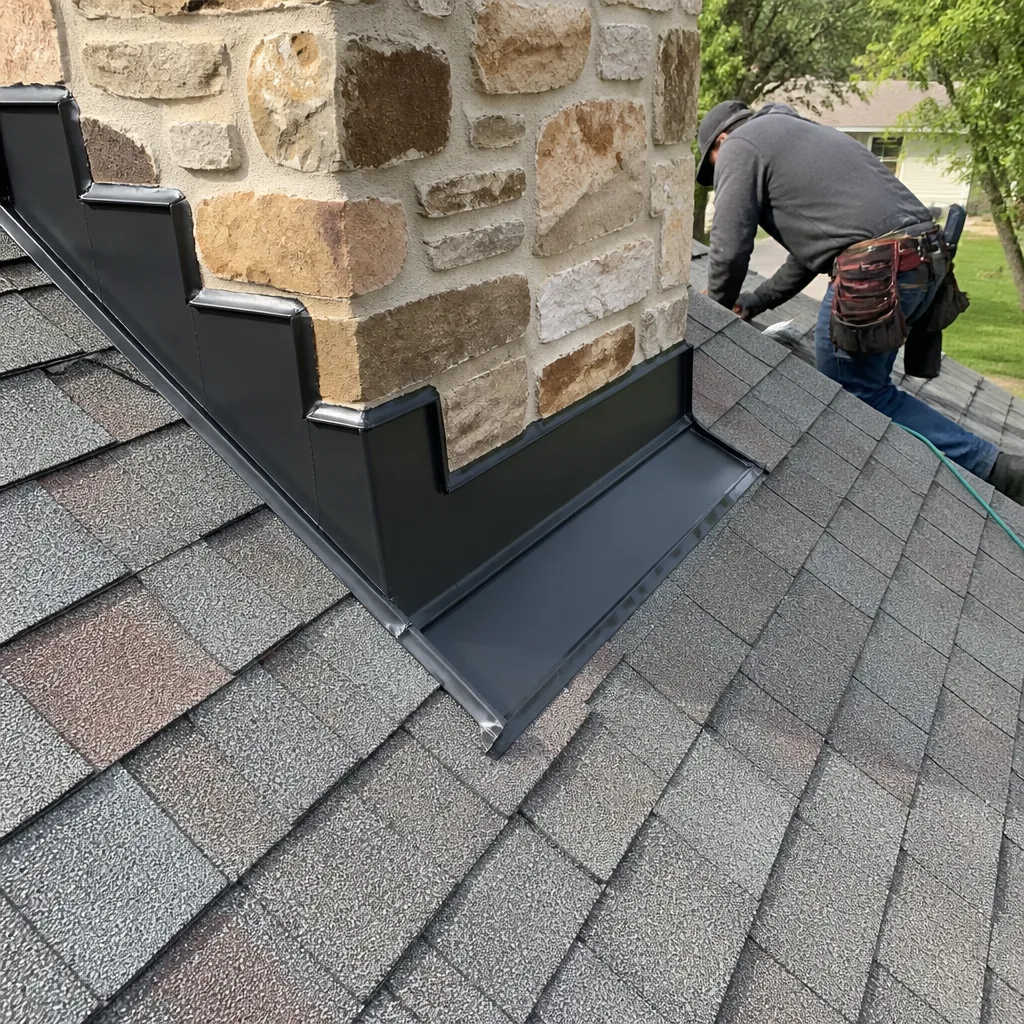
See the difference
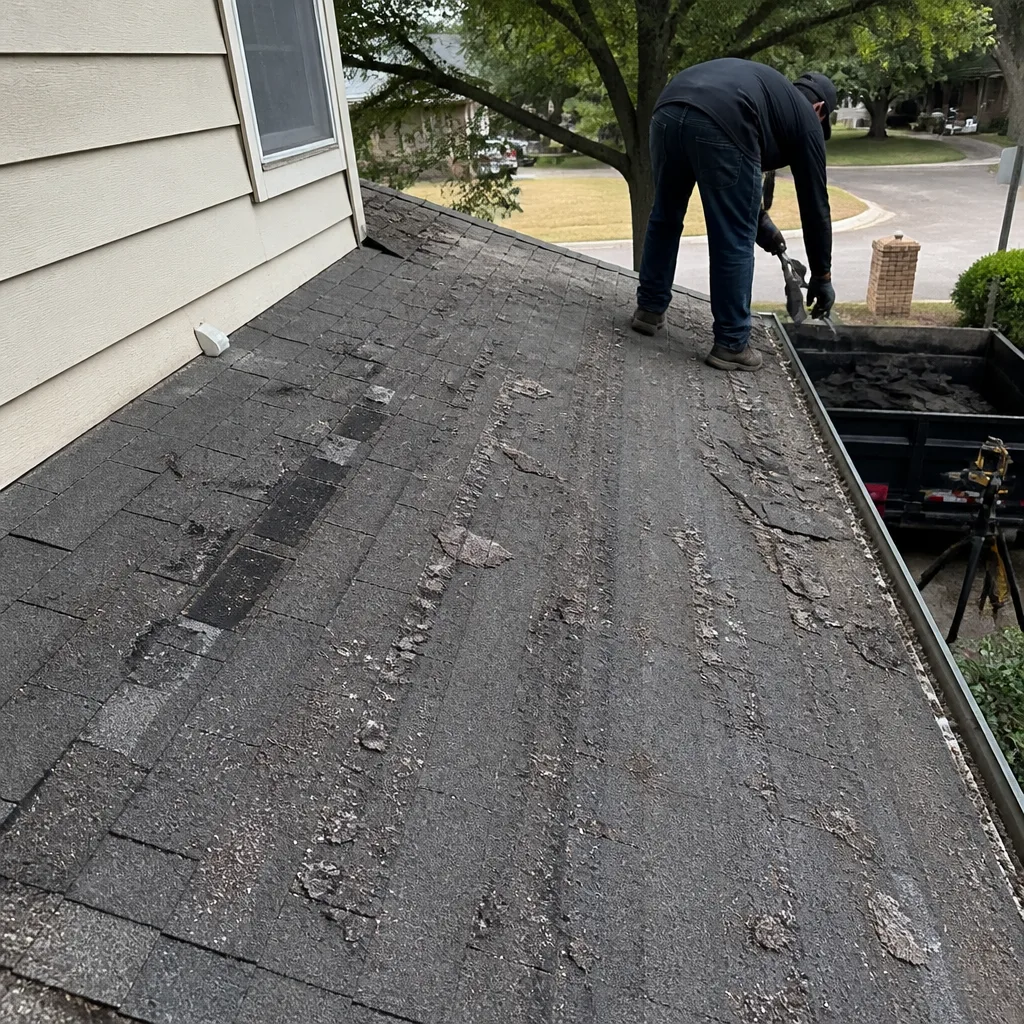 Before
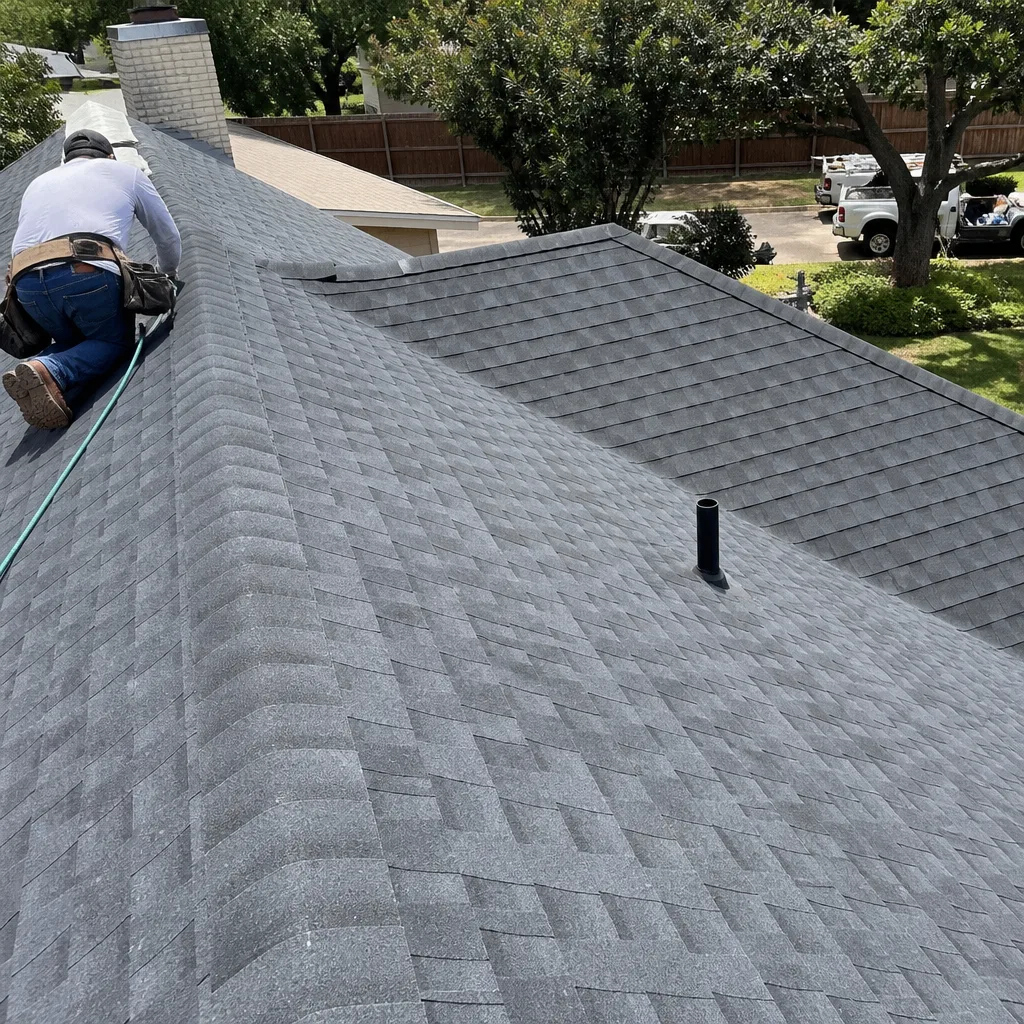 After
After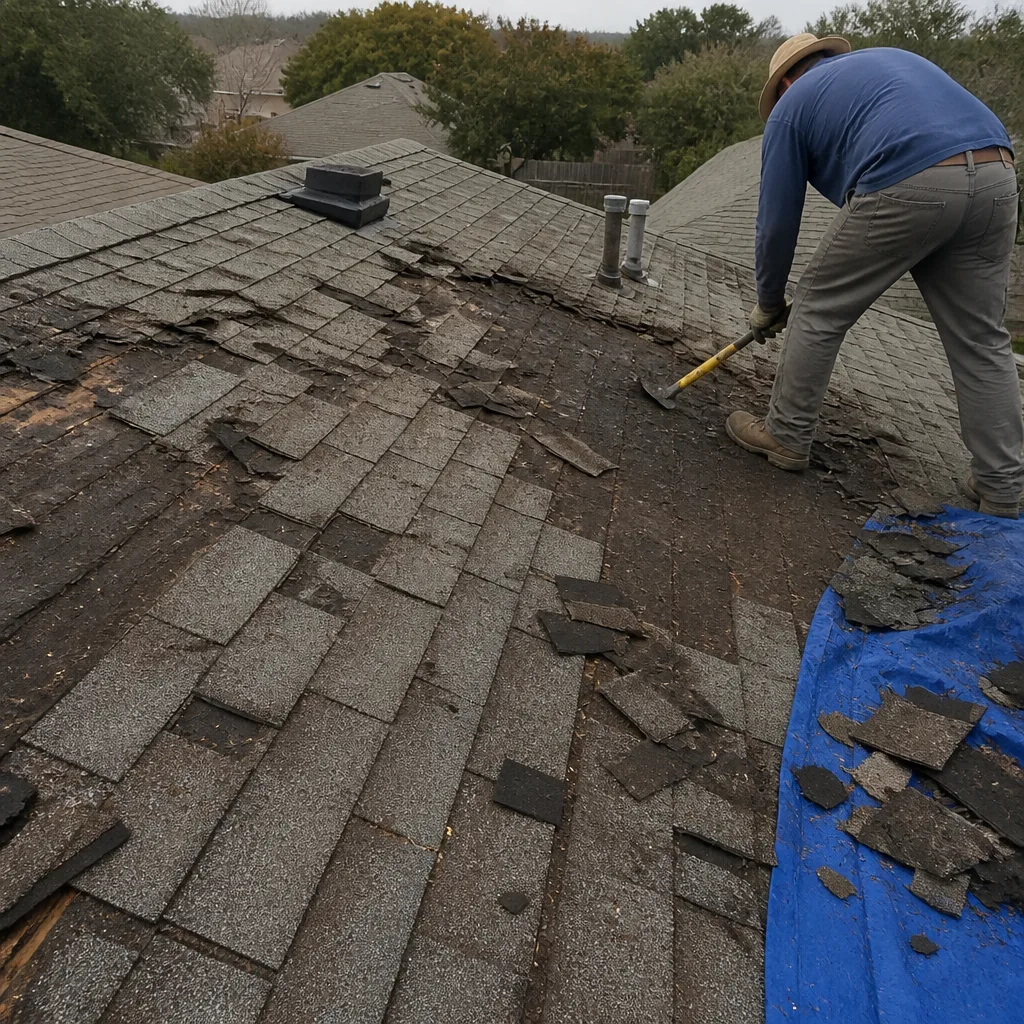 Before
 After
After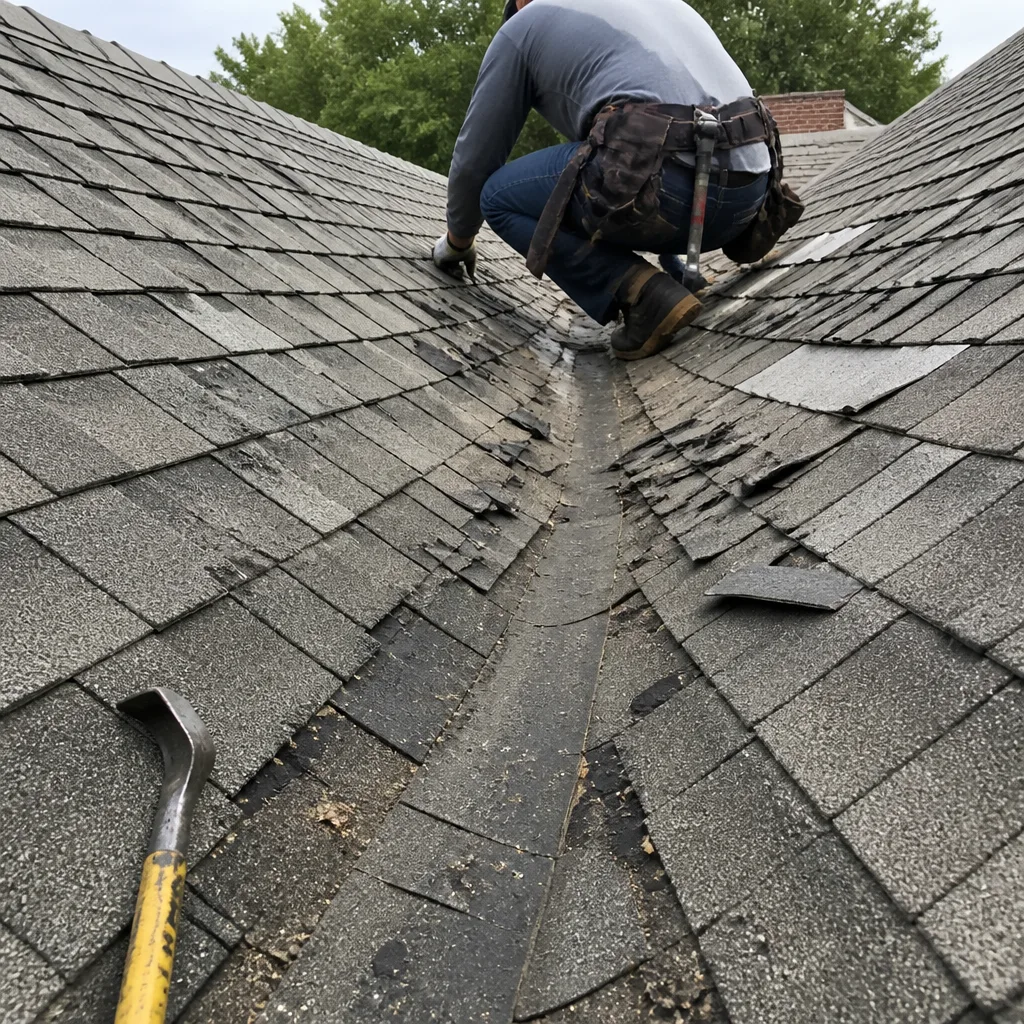 Before
 After
After