
Last updated October 17, 2026
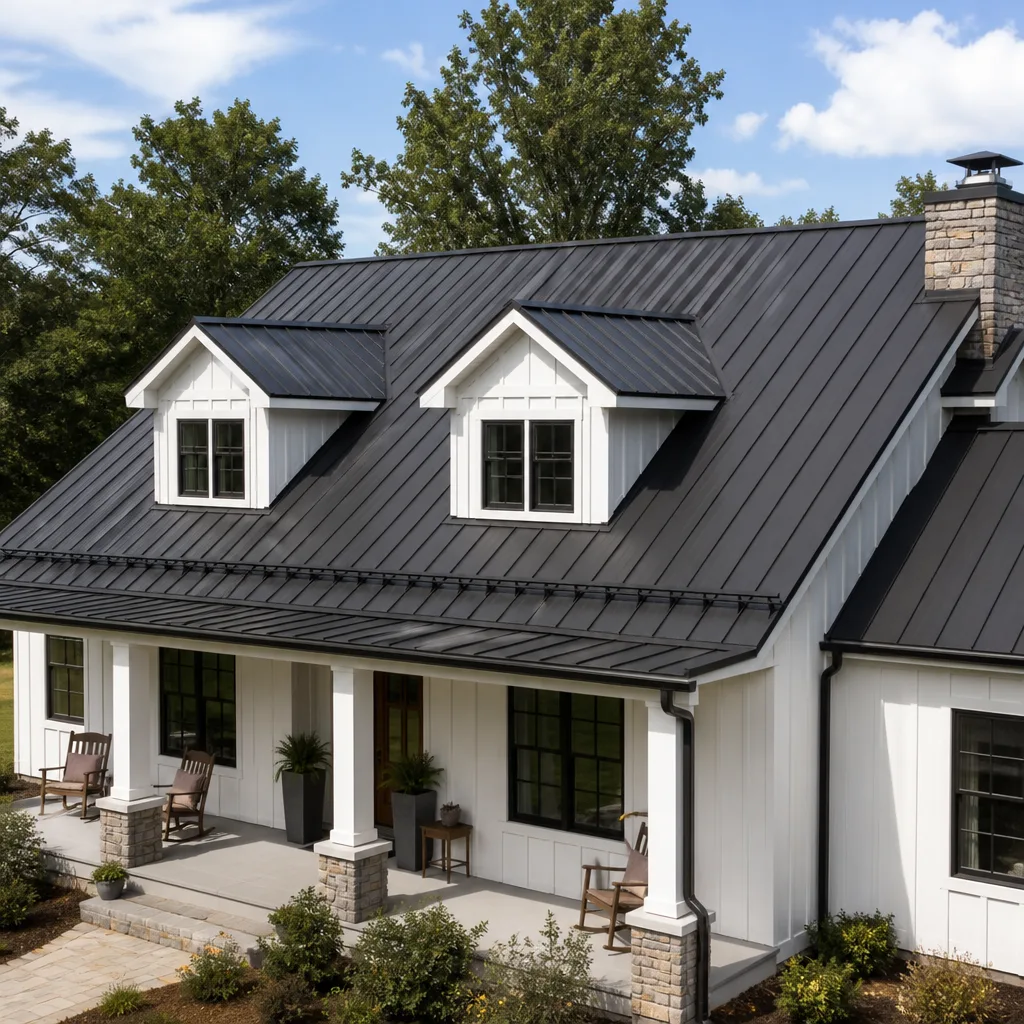 Metal roofing
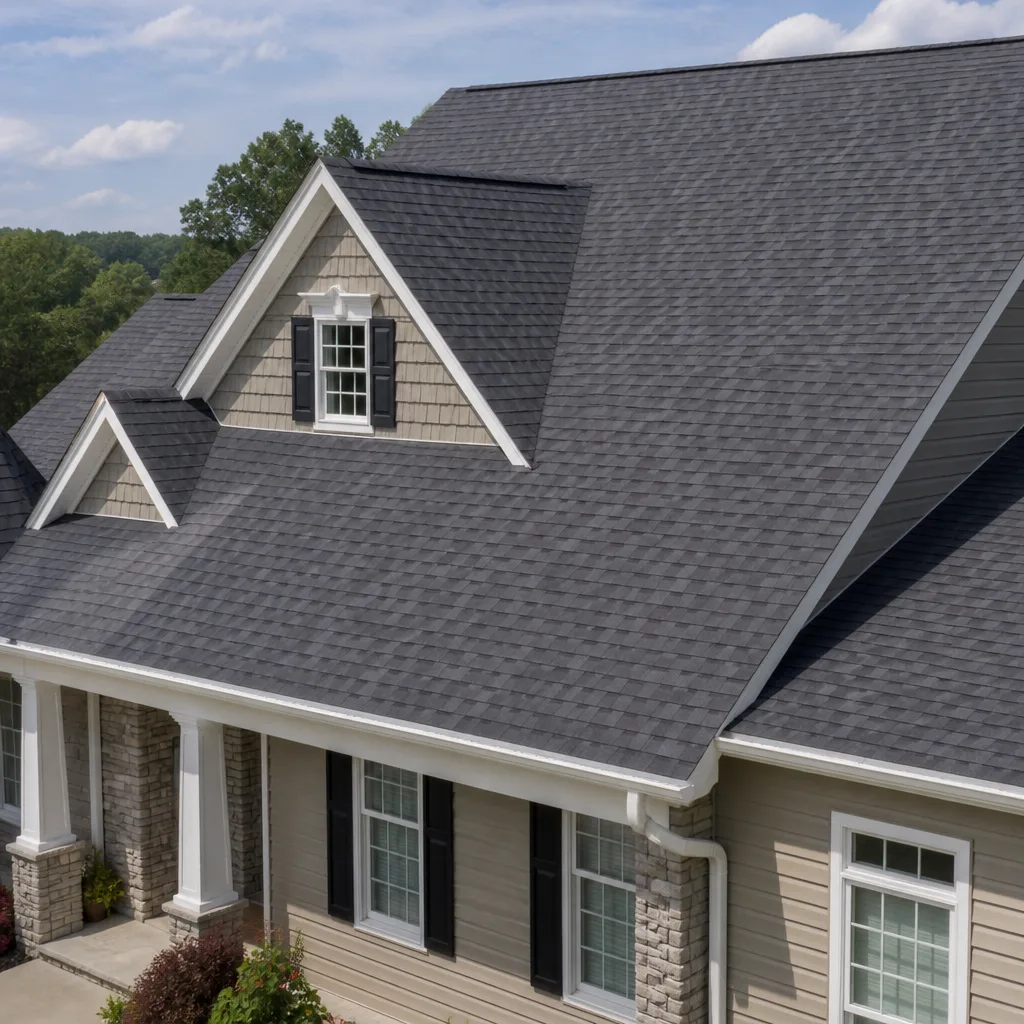
 Architectural shingles
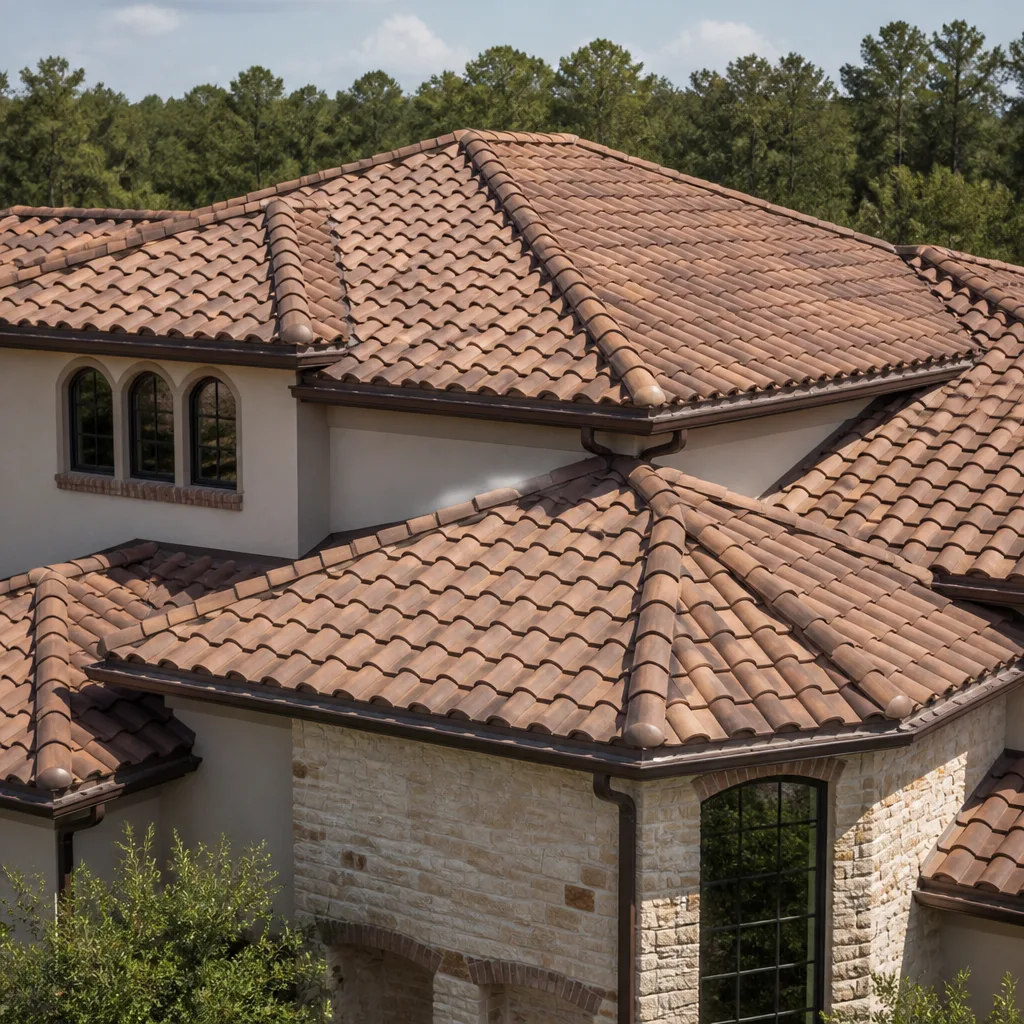 Tile roofing
 GAF
GAF Owens Corning
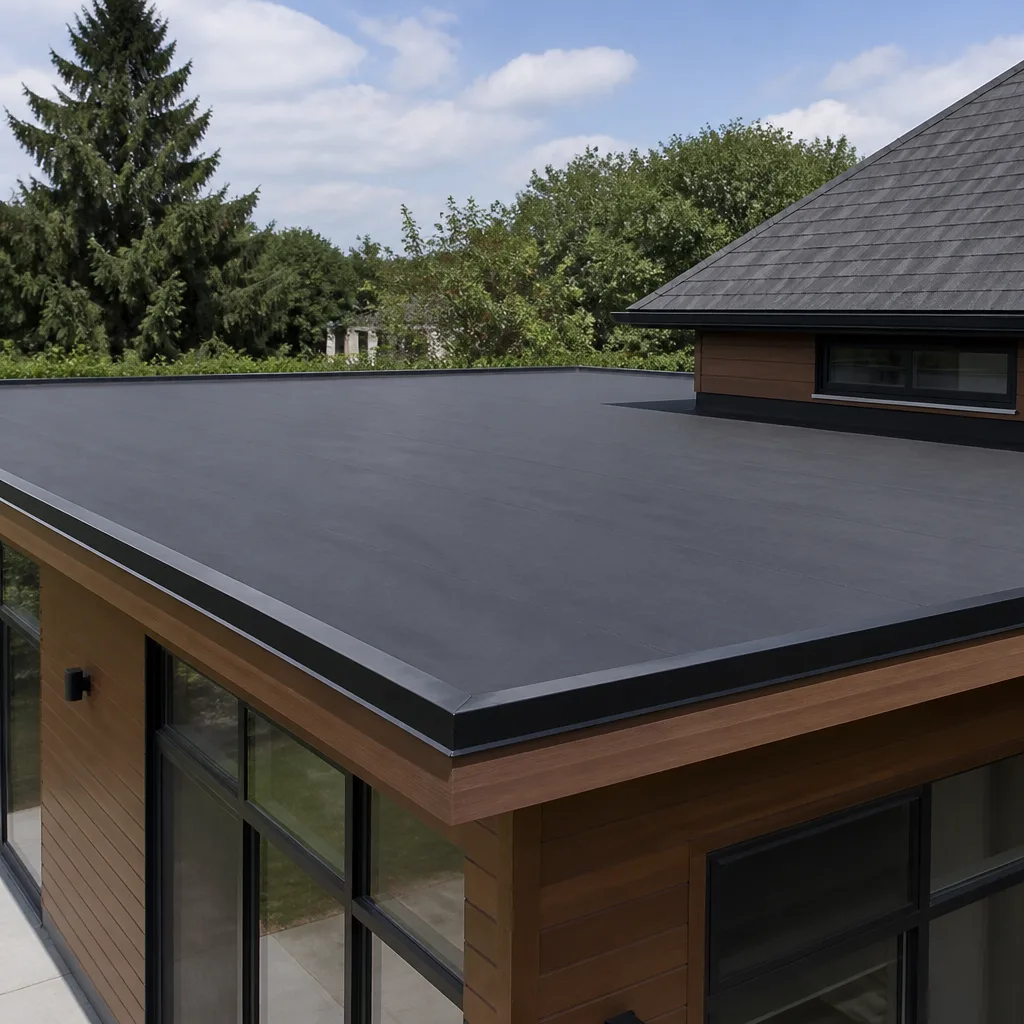 Flat & low-slope
Free roof inspection with deck photos before we talk money - GAF and Owens Corning certified installation
Seasonal Roofing Care for Dallas: Year-Round Homeowner’s Guide
Dallas homeowners who do roofing maintenance in October and February, not spring and fall generically, spend an average of 40% less on emergency repairs because they’re working in the two calm windows the climate actually offers. The North Texas roof cycle doesn’t follow the neat four-season model you’ll find in homeowner magazines written for Ohio or Oregon. It follows a harder rhythm: hail season, heat season, and two short stretches when the weather actually lets you work safely. In this guide, we’ll walk through the real Dallas roofing calendar month by month, what to check in each window, what it costs when you put things off, and when it’s time to call a roofer versus when you can handle it yourself from the ground.
Styles & brands we work with
Quick Answer
Dallas roofing care works best when you split the year into four phases: February prep before spring storms, May and June storm response, an August heat-damage audit, and October weatherproofing before the winter ice risk. The two critical maintenance windows are February and October, when temperatures sit low enough for sealants to cure properly and high enough for shingles to stay flexible. Skipping either window means you’ll be scheduling repairs during hail season or trying to get a crew onto a 140-degree roof deck in July, which is exactly when Dallas roofing contractors are booked solid.
Table of Contents
- The Dallas Roofing Calendar: Four Phases, Not Four Seasons
- February Prep: The First Real Maintenance Window
- May – June Storm Response: The 72-Hour Post-Storm Checklist
- August Heat-Damage Audit: What 160°F Attics Do to Shingles
- October Weatherproofing: The Second Real Maintenance Window
- How The Garrison Standard Keeps Your Roof Honest
- Common Mistakes to Avoid
- When to Call a Professional
- Frequently Asked Questions
- The Bottom Line
The Dallas Roofing Calendar: Four Phases, Not Four Seasons
Here’s the plain truth about Dallas roofing: the calendar most national guides use doesn’t apply here. In North Texas, we get maybe 90 to 120 days a year where the roof surface temperature sits in the 50-to-85-degree range where asphalt shingles seal properly, sealants cure, and crews can work safely without cooking the materials or themselves. Those days cluster in two bands: late January through early March, and late September through early November. Everything outside those bands is either reactive work or damage control.
Understanding this rhythm changes how you spend money. A homeowner who treats February and October as non-negotiable maintenance months catches small problems before hail season turns them into insurance claims or before August heat turns a minor shingle lift into a full deck replacement. The four-phase breakdown below reflects what we’ve seen working on roofing in Dallas for years:
- Phase 1 – February Prep: Post-winter inspection, fastener checks, sealant touch-ups, gutter clearing after winter leaf drop. This window runs roughly January 25 through March 10.
- Phase 2 – May – June Storm Response: Post-hail documentation, insurance claim support, temporary repairs, debris clearing. This is reactive, not preventive, but how you respond determines whether you’re looking at a patch or a full roof.
- Phase 3 – August Heat Audit: Attic ventilation checks, shingle curl and blister mapping, thermal crack documentation. This is when Dallas roofs fail from the underside up, and most homeowners never look.
- Phase 4 – October Weatherproofing: Valley cleaning for live oak and pecan debris, flashing inspection, drip edge repair, final sealant application before the rare but real Dallas ice storm.
Most Dallas homeowners only engage with Phase 2 because that’s when the damage is impossible to ignore. The problem is that a roof that gets attention only after hailstorms is a roof that develops compounding problems between storms, and every one of those problems gets more expensive the longer it waits.
February Prep: The First Real Maintenance Window
February in Dallas sits in a Goldilocks zone for shingle work. The afternoon roof surface temperature usually lands between 55 and 75 degrees, which keeps asphalt shingles pliable enough to lift and inspect without cracking. At 40 degrees or below, shingles get brittle and you can do more harm than good prying them up. At 100 degrees, they get soft enough that foot traffic can leave permanent impressions. February is when a proper maintenance pass happens.
Here’s what a real February prep inspection covers, and what each item actually means:
1. Fastener and Nail Check
Thermal cycling through the winter, Dallas might swing 30 degrees in a day, causes nails to back out slightly over time. Nails that have lifted even an eighth of an inch will catch the edge of shingles during wind events and create tears. Walk the roof looking for raised nail heads and shingles that sit proud of the surface. Fixing a raised nail costs about $5 to $15 per occurrence. Letting it ride until March wind season means a torn shingle, which runs $85 to $150 to replace properly.
2. Flashing Sealant
Flashing is the metal that transitions your roof at chimneys, skylights, vents, and wall intersections. The sealant that bonds flashing to shingle surfaces has a realistic service life of 5 to 8 years in North Texas because UV exposure here is relentless. February is the time to re-caulk and re-seal these transitions because the material cures best between 50 and 80 degrees. A tube of quality roofing sealant costs $8 to $12. Paying a contractor to re-seal all penetrations typically runs $150 to $300, which is what one leak into your decking will cost you if you skip it.
3. Gutter and Downspout Clearing
Dallas gets most of its fall leaf drop late, particularly from live oaks and Bradford pears. By February, most of it is down and sitting in your gutters. Clogged gutters in March and April mean water backing up against fascia boards and, on low-slope sections, water pooling against shingle edges. Standing water plus the freeze-thaw cycle Dallas got hit with in February 2021 and again in 2023 is how fascia rot and eave damage start. Clearing gutters on a single-story ranch costs $100 to $180 if you hire it out, which is far less than replacing a 16-foot fascia run at $25 to $40 per linear foot.
May – June Storm Response: The 72-Hour Post-Storm Checklist
Hail season in Dallas runs primarily March through June, with May and the first half of June being peak. The critical window for insurance and documentation purposes is the first 72 hours after a storm. After that, evidence degrades, temporary damage becomes permanent water intrusion, and insurance adjusters start asking harder questions about whether you maintained the roof beforehand.
Here is the procedural checklist we walk every Dallas homeowner through when they call us after a storm, and honestly, it’s the same list we’d give our own family. For how to hire a roofing contractor in Dallas, see our step-by-step guide:
Step 1 – Document everything before touching anything. Photograph every slope of the roof from multiple angles using your phone, ideally in the first 24 hours. Capture the ground in the same frame for scale and date context. Photograph your gutters, downspouts, window screens, fence caps, and air conditioning units on the same day. Hail that marks your car but not your roof creates an insurance timeline problem, and the more context you capture, the easier your claim goes.
Step 2 – Clear immediate debris, especially from valleys and scuppers. On flat and low-slope sections common in Midcentury Dallas homes, hail and wind knock branches, leaf clusters, and shingle granules into scuppers and drains. Blocked scuppers turn a roof with minor hail damage into a roof with standing water, and standing water on a flat roof is how you get interior ceiling damage within 48 hours.
Step 3 – Look for the five damage signatures in this order: dented flashing and vents, cracked or missing shingles, granule loss (visible as bare asphalt patches), bruising (press into the shingle; if it feels spongy or soft, the impact compressed the mat), and displaced or shredded pipe collars.
Step 4 – Call a contractor for a documented inspection before the adjuster arrives. This is the step Dallas homeowners skip most often. An experienced roofer will mark damage locations, take measurements, and give you a written repair or replacement scope that you can hand to the adjuster. It changes the dynamic of the insurance review because you’re not relying on the adjuster to find what the storm did. This inspection should be free, and at Brennan Roofing Co Dallas, it always is.
Step 5 – Know when to wait. If the same storm system that hit you also hit 40,000 other Dallas homes, every roofer in the metro is running a backlog. But your roof is not urgent unless there’s water getting in or open decking. You can tarp, document, and wait weeks for a crew without making anything worse. The homeowners who get burned are the ones who sign with the first out-of-state storm chaser who knocks on their door, because they’re worried the window to claim is closing. It isn’t.
August Heat-Damage Audit: What 160°F Attics Do to Shingles
Most homeowners think of roofing as a top-down system: shingle, underlayment, decking. But in Dallas, the more accurate model is a two-front system. Your shingles fight the sun from above, and your attic fights heat from below. When the attic fails, the shingles lose from underneath, and that’s the number one hidden cause of premature shingle failure in Dallas.
Let’s put numbers on it. On a 100-degree Dallas day in August, the surface temperature of a dark architectural shingle reaches 150 to 165 degrees. The attic below, if under-ventilated, sits at 140 to 160 degrees. At those temperatures, the asphalt in your shingles is literally baking from both sides. The oils that keep shingles flexible and waterproof break down faster when the underside of the decking radiates heat back up into the shingle mat. This accelerates what the trade calls thermal cracking and blistering, and it’s why so many Dallas roofs fail from granule loss and brittleness at year 10 or 12 when the same shingle might last 20 years in a cooler climate.
What to check in August:
- Attic temperature: If your attic is over 130 degrees with outside air at 95 or lower, ventilation is undersized for the roof area. An infrared thermometer costs $25 and gives you the hard number.
- Shingle edges and field: Look for curling at corners and edges, which indicates heat stress at fastener points. Look for small craters in the shingle surface, blisters that have popped and exposed the mat beneath.
- Ridge and hip lines: Thermal expansion hits ridge caps hardest because these shingles are bent over the peak and get UV from both sides. Cracks along ridges in August tell you exactly where wind-driven rain will enter come November.
- Attic sheathing from the inside: Dark streaks or water staining on the underside of decking during the dry season means you’re getting condensation, which means ventilation is failing and moisture is trapped. This is separate from a leak; it’s a climate-control failure.
If an August audit shows ventilation problems, the fix is often straightforward: adding roof inspection-verified ridge vents, power or solar attic fans, or additional soffit intake. In our experience, most Dallas homes built before 1990 were built with passive gable vents and no ridge vent, which is mathematically insufficient for a 160-degree North Texas summer. Proper attic ventilation isn’t a luxury; it’s the difference between a shingle doing its 25-year job and burning out at year 8.
October Weatherproofing: The Second Real Maintenance Window
October is the second of Dallas’s two genuine maintenance windows, and it’s arguably the most important because it sets up your roof for the severe weather season that runs from late October through early June. It’s also when live oaks, pecans, and Bradford pears drop the bulk of their debris, and how you handle that debris determines whether your roof sees accelerated moisture damage over the winter.
Dallas tree debris is different than Northern leaf fall
Live oaks in Dallas hold leaves until February and March, then drop them all at once in a two-week window. Pecans drop leaves in October and November along with hulls, which are acidic and tannin-heavy. Bradford pears, which are everywhere in East Dallas and Richardson, drop leaves, fruit stems, and small branches. What all three have in common is that the debris doesn’t just sit on your roof; it collects in valleys, behind chimneys, and along roof-to-wall intersections, then traps moisture against shingle surfaces.
Organic debris sitting in a valley creates a microclimate that stays wet for weeks after any rain. Shingles are designed to shed water, not to sit under a wet leaf mat. The moisture softens the shingle surface, accelerates granule loss, and over the course of two or three winters, can create the kind of decking rot that doesn’t show up until a heavy spring rain finds it.
October tasks in priority order:
- Valley cleaning: Don’t just blow leaves off the roof. Pull the debris out of valleys, especially under the metal valley flashing where leaves tend to wedge.
- Gutter and downspout clearing after the main leaf drop: In Dallas, this means late October through early November, not September.
- Flashing and pipe collar check: Look for sealant that’s cracked from summer UV. Any penetration sealant that’s been on the roof more than five years should be replaced now, before winter rain tests it.
- Drip edge inspection: Drip edge is the metal flashing at the eave that directs water into the gutter instead of behind it. Loose or missing drip edge lets water wick back into the fascia and soffit. This is a $5 to $12 per linear foot fix now, and a $30 to $50 per linear foot repair if fascia rot sets in.
One more October item: the Dallas ice storm risk is real, as anyone who lived through the February 2021 and February 2022 events can tell you. Ice dams, where snow and ice melt against a warm attic and refreeze at the eave, happen most on north-facing slopes and on low-slope sections where water moves slowly. Proper attic insulation and ventilation are your protection. If your home had ice dams in the last freeze event, don’t wait for the next one to address the ventilation; October is the time.
How The Garrison Standard Keeps Your Roof Honest
Here is where I’ll be direct about how Brennan Roofing operates in Dallas, because the way we run a job is the thing that separates us from the crews that give roofing a bad name. For the complete guide to roofing in Dallas, including our full process, read on. The Garrison Standard is not a marketing phrase; it’s a defined operating agreement that every job runs under. The price goes on paper before any work starts, and it does not move at the door. The technicians who arrive at your house are background-checked and uniformed, and you know their names before they step onto the roof. Every repair and installation is covered by the 365-Day Done Right Promise, which means exactly what it says: if it’s not done right, we make it right, in writing, at no charge, for one full year.
What does that mean in practical terms? If we seal a flashing and it fails in month eight, we come back and fix it. No argument, no invoice, no hassle. The guarantee is in writing. Calls to (903) 499-4441 are answered by a live person, around the clock, no voicemail and no automated system. When a Dallas homeowner calls us on a Sunday evening after a storm, they talk to a person, not a callback queue.
We install materials from leading manufacturer lines including GAF, CertainTeed, Owens Corning, IKO, Atlas, and Tamko. We don’t push one brand; we explain the differences in wear characteristics, granule retention, and wind rating, and the homeowner chooses with real information. The material choice gets written into the contract, the scope is itemized, and the price is fixed before we lift a shingle.
Common Mistakes to Avoid
- Cleaning gutters in October and never again. Dallas live oaks drop in February and March. If you clear gutters only before winter, you’ll face spring with gutters packed full of oak leaves and the water backing up at exactly the worst time: hail-season rain.
- Using a pressure washer on the roof. Pressure washing strips shingle granules and voids most manufacturer warranties, but it’s still a service offered by plenty of handyman operations in Dallas. Granule loss is the leading cause of premature shingle failure in North Texas, and a pressure washer accelerates it by five to eight years.
- Walking the roof in freezing weather for a quick look. After a Dallas ice event, shingles are cold-brittle. A 180-pound person walking on a 25-degree shingle can crack it with every footstep. Wait until the forecast calls for 50+ degrees before any foot traffic.
- Ignoring the attic vent issue because “the shingles are fine.” We covered this in the August section, but it’s the mistake that costs Dallas homeowners the most money over time. A roof with failed attic ventilation is a roof that will fail from the deck up, even if the shingles look okay from the curb.
- Filing an insurance claim without a contractor’s written scope. Adjusters are independent, but they process dozens of claims after a big Dallas hailstorm. A documented inspection from a qualified roofer gives you a counterweight, and the claim result is usually better.
- Waiting until the leak shows up inside. By the time water stains the ceiling in a Dallas home, the roof has been leaking for weeks or months, traveling along decking and only surfacing at the weakest point. Maintenance is cheaper than remediation, always.
When to Call a Professional
Call a roofer for any of these: granule loss visible from the ground (dark patches or asphalt showing), shingles that are cracked, curling, or displaced after a storm, water stains on any ceiling, mold or mildew in the attic, visible daylight through roof decking from inside the attic, flashing that has separated from the wall or chimney, or any roof older than 15 years that hasn’t had a professional inspection in the last three years. These are not necessarily emergencies, but they are all conditions that get more expensive the longer they ride.
Roof repair in Dallas is realistic any time of year, but the smartest time to schedule a full replacement is February or October. Demand is lower then, crews have more schedule flexibility, and materials are not being pulled in 20 directions by hundreds of concurrent insurance jobs. Brennan Roofing Co Dallas offers free estimates anywhere in Dallas and the surrounding metro. Call (903) 499-4441 and we’ll put the inspection on the calendar at no charge.
Frequently Asked Questions
Budget between $150 and $400 per maintenance visit in Dallas, depending on roof size and accessibility. A basic single-story ranch with one chimney and a few vents typically runs $150 to $250 for a full seasonal inspection, gutter clearing, and sealant touch-up. A two-story with multiple valleys and skylights runs $250 to $400. At Brennan Roofing, the inspection portion is always free; you pay only for the actual maintenance work and you get the line-item price in writing before anything starts. Call (903) 499-4441 for an exact quote.
February through early March, or October through early November. These are the two windows where Dallas roof temperatures let shingles seal properly, allow sealants to cure, and let crews work safely. Summer replacement is possible but harder on both materials and people, and spring tends to get interrupted by hail events.
No. Hail damage ranges from cosmetic granule loss to full penetration and structural bruising. Many Dallas roofs with hail damage are repairable if the damage is isolated. But if an inspection shows bruising across multiple slopes, granule loss affecting more than 30% of the field, or cracked shingles distributed widely, replacement is usually the better financial decision, especially when insurance is involved.
Document everything with photos within the first 72 hours, clear debris from valleys and scuppers, have a qualified roofer complete a written damage inspection, then file the claim and share the inspection. Do not sign with a storm-chaser who knocks on your door promising a “free roof” before any inspection happens.
Heat. A Dallas roof experiences surface temperatures above 150 degrees regularly every summer, and attic temperatures of 140 to 160 degrees when ventilation is inadequate. That dual-side baking breaks down the asphalt shingle mat from both directions, accelerating thermal cracking and granule loss. Proper ventilation is the biggest variable a Dallas homeowner can control to extend roof life.
No, but you should clear debris from valleys and behind chimneys at least twice a year, in late October after pecan leaf drop and in early March after live oak drop. Between those cleanings, a visual check from the ground after heavy wind or hail is smart. Full roof cleaning is rarely necessary unless you have heavy moss or lichen growth, which is uncommon in Dallas due to the dry heat.
The Bottom Line
Dallas roofs live a harder life than roofs in most of the country, and the homeowners who get the most years out of their shingles are the ones who work the calendar. February prep, a disciplined May and June storm response, an August heat audit, and October weatherproofing: that’s the full cycle. The homeowners who only call a roofer when they see a leak are the ones who end up replacing decks and sheathing that would have lasted another decade with routine maintenance. For more guides & resources on protecting your Dallas roof, explore our blog.
If you’re ready to get your roof on the right cycle, call (903) 499-4441. We’ll schedule a free inspection, put the price in writing before any work starts, and you’ll know exactly who’s on your roof. That’s The Garrison Standard, and it applies to every job we do in Dallas.
Written by Travis Oakley, Owner at Brennan Roofing Co Dallas, serving Dallas since 2000.
See the difference
 Before
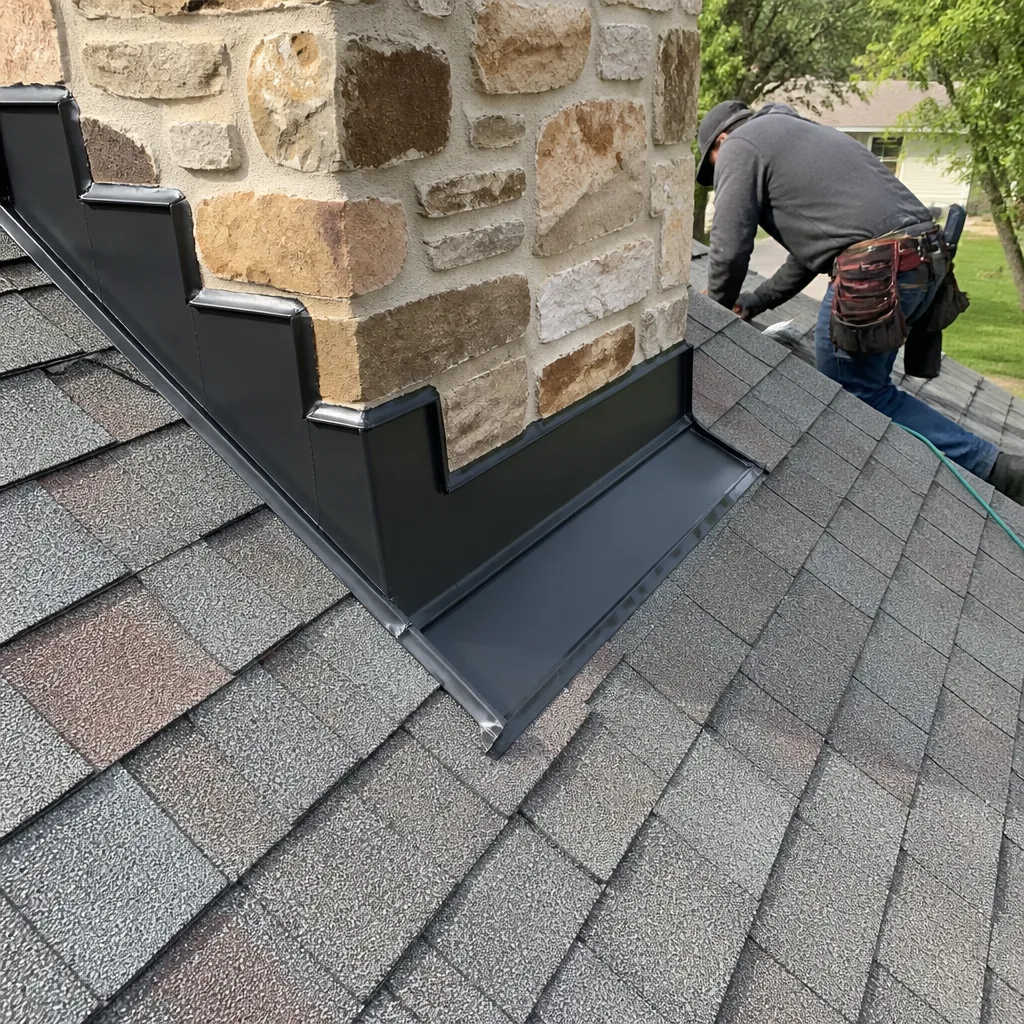
 After
After Before
 After
After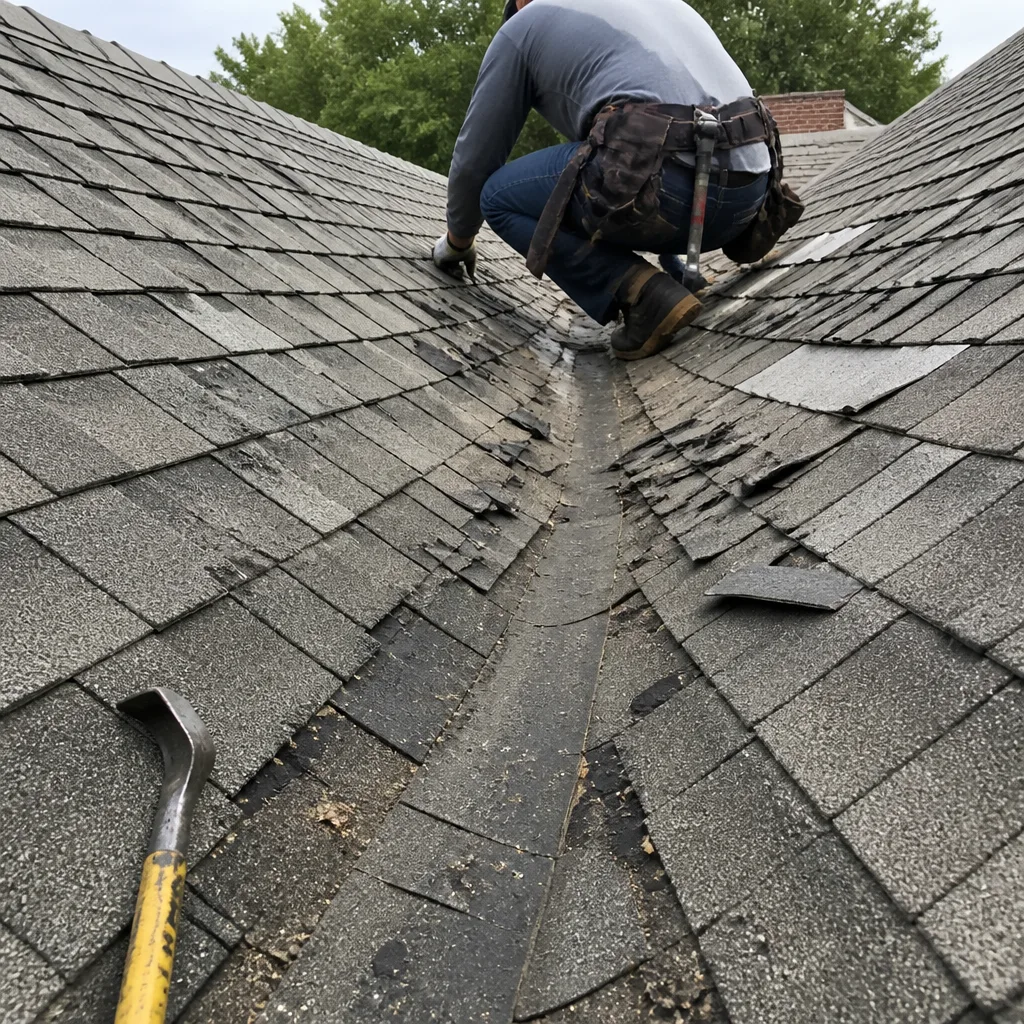 Before
 After
After