
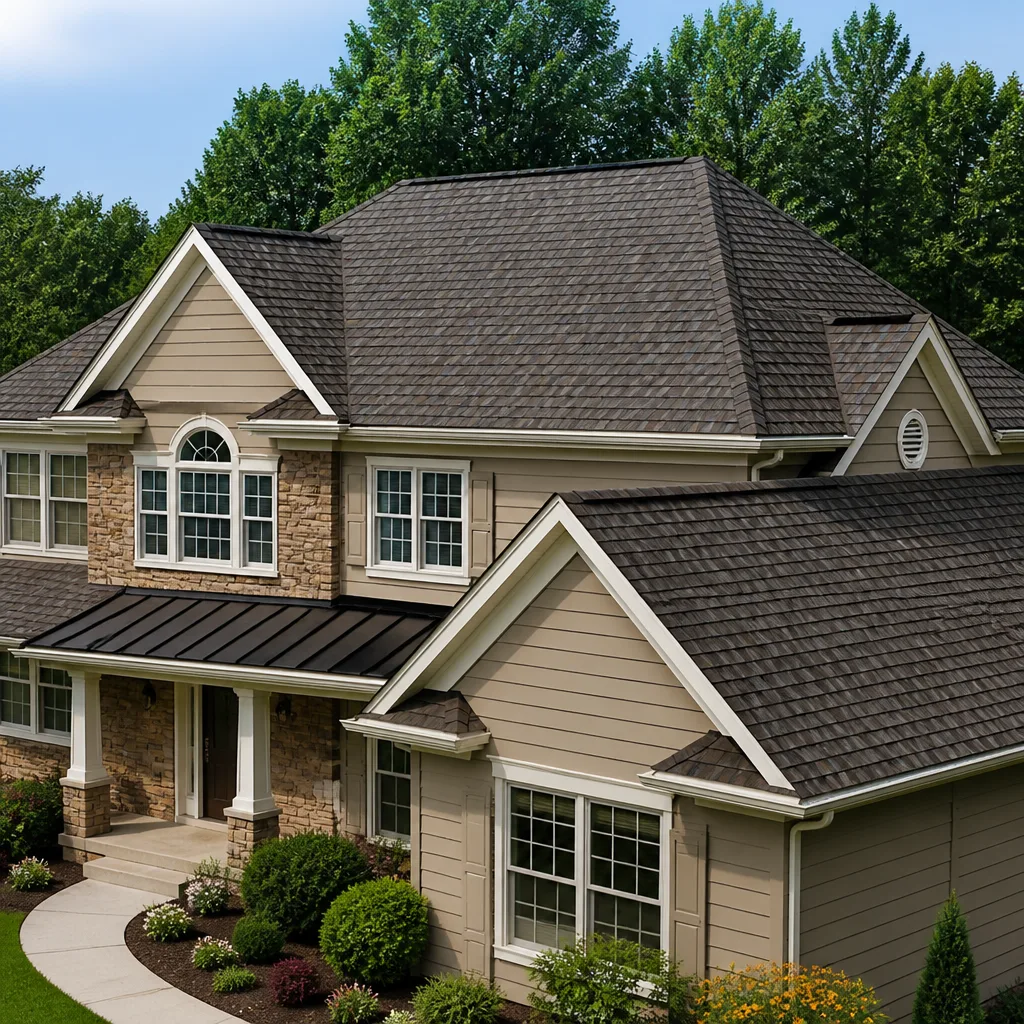
 Owens Corning
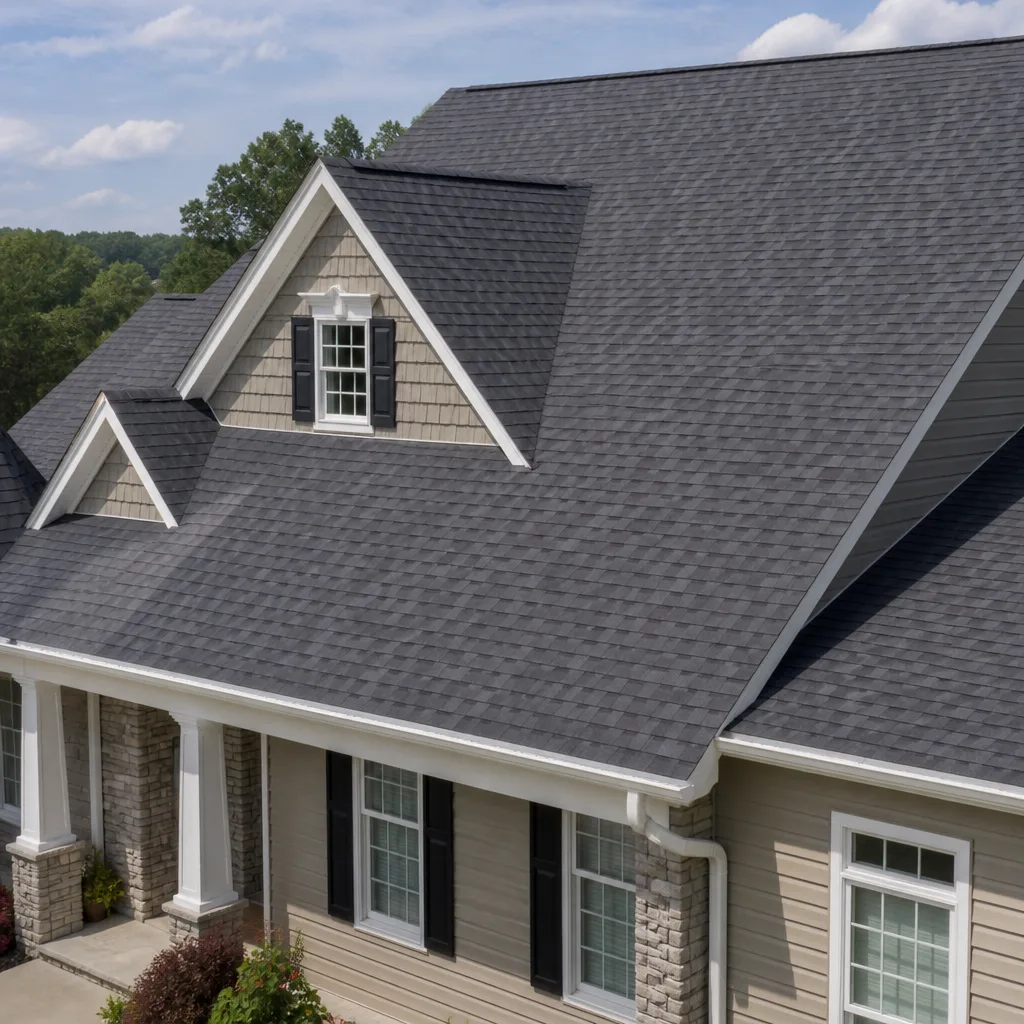
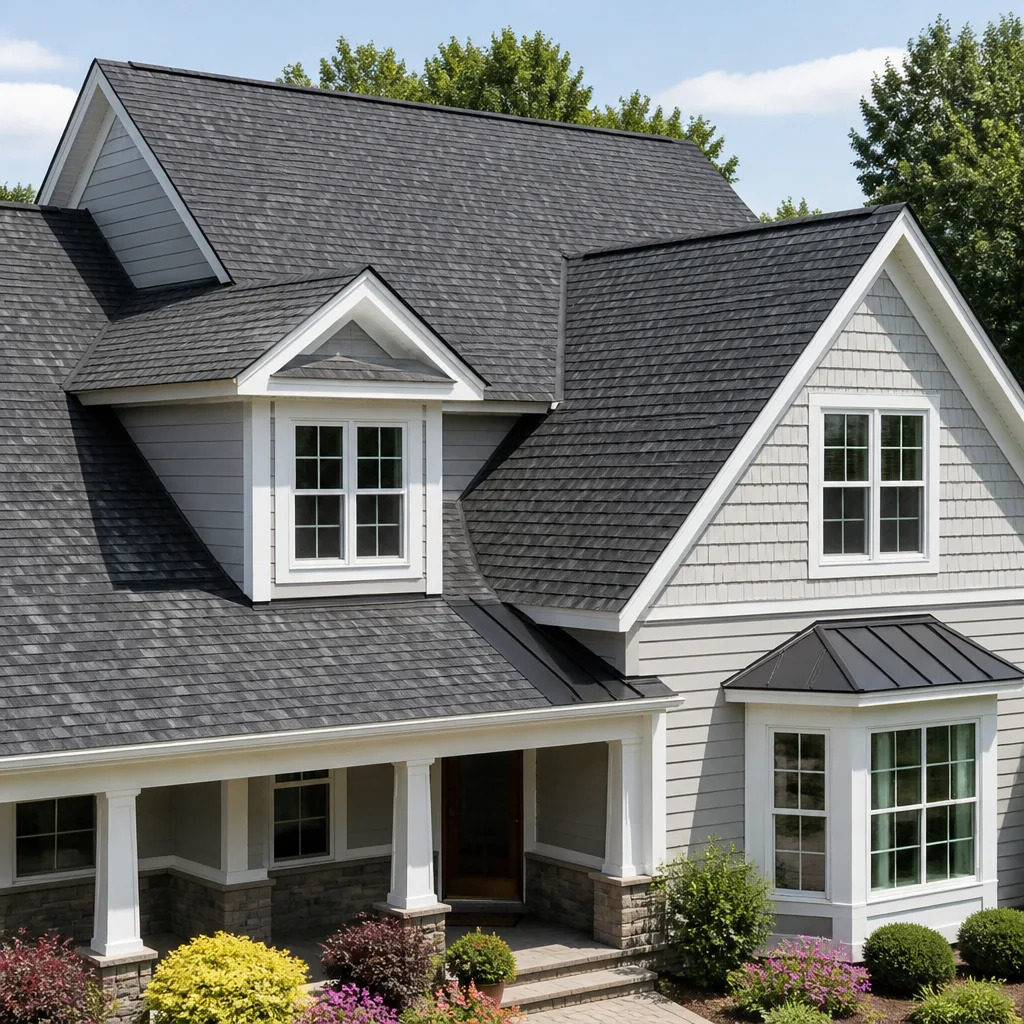 Architectural shingles
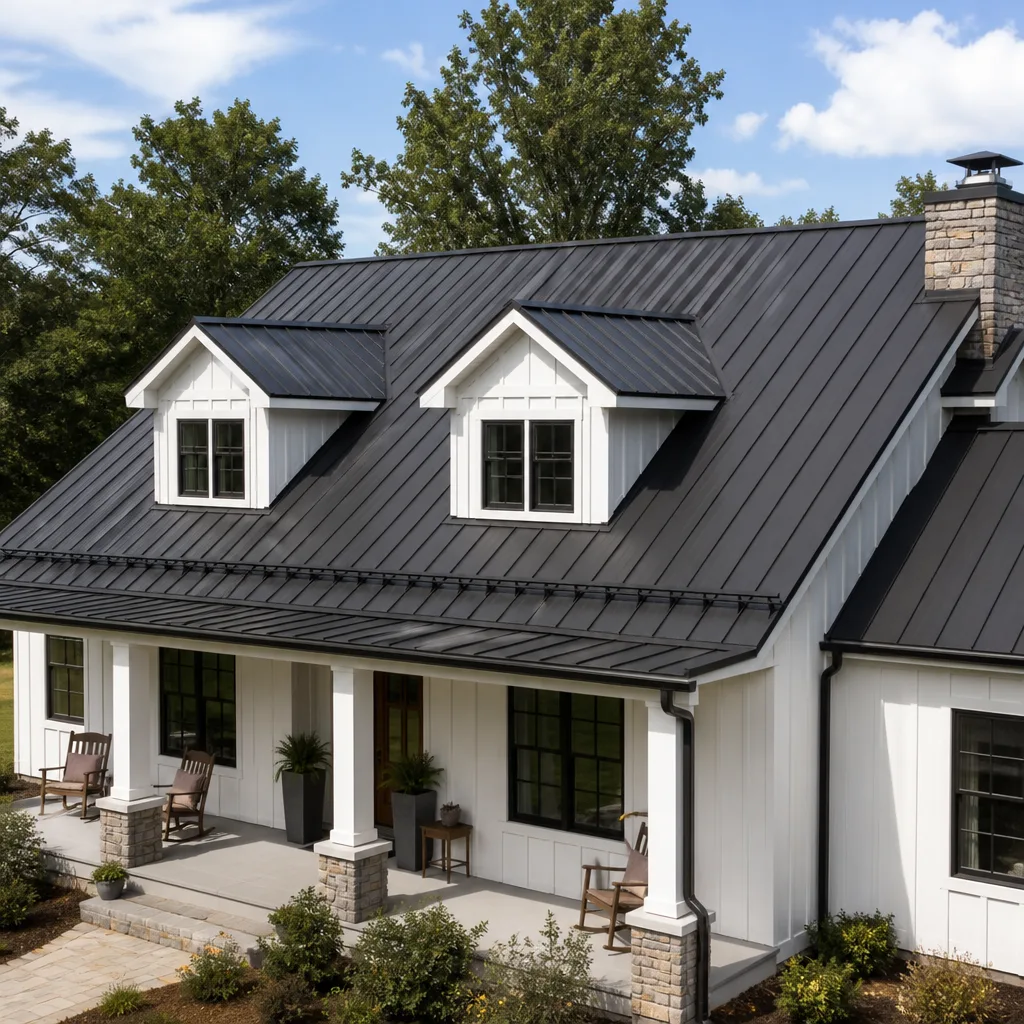 Metal roofing
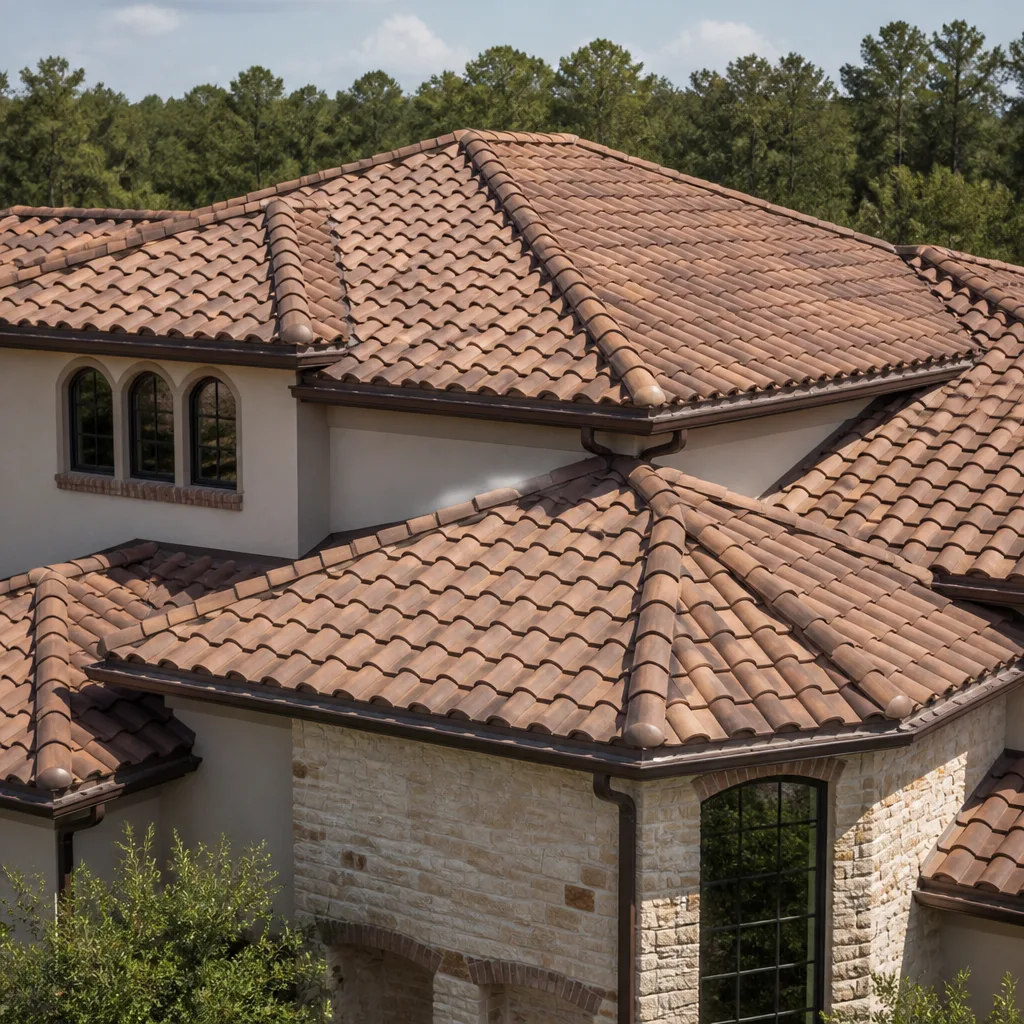 Tile roofing
 GAF
GAF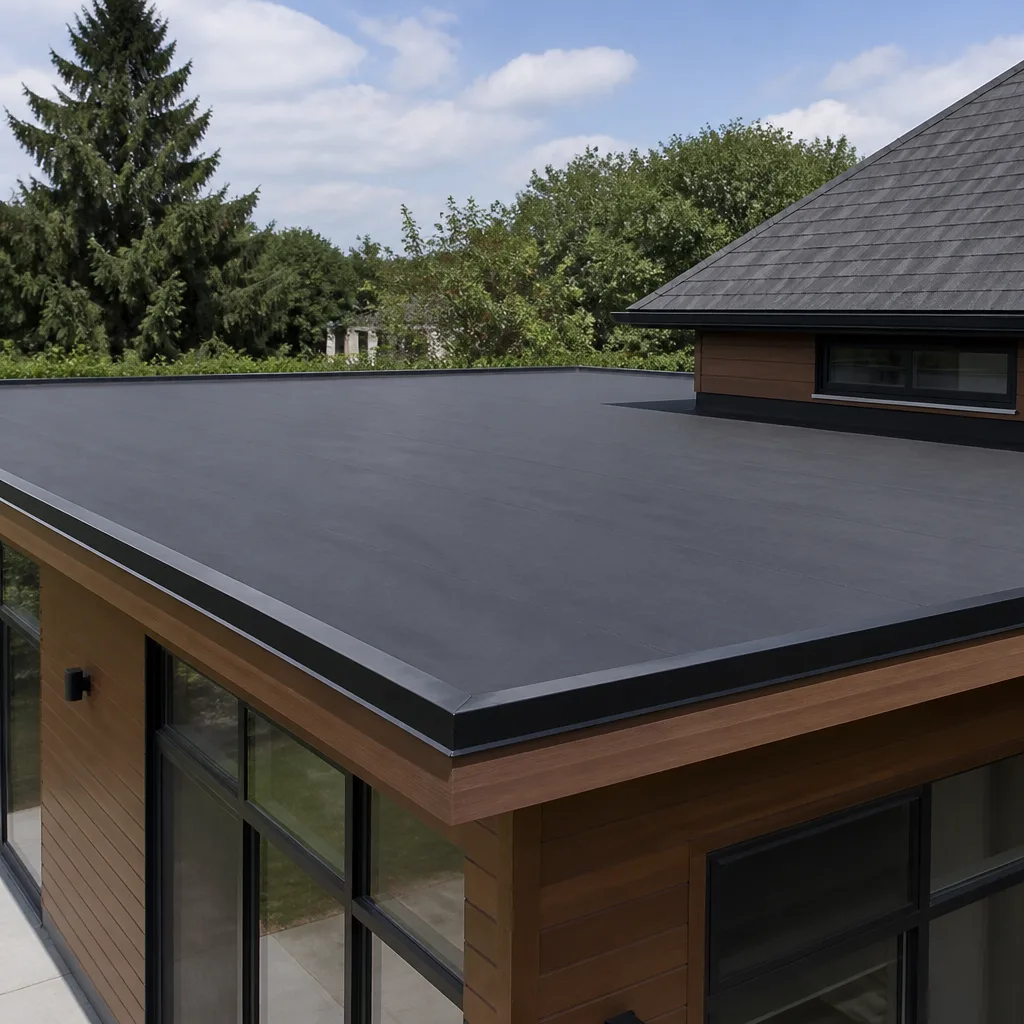 Flat & low-slope
Free roof inspection with deck photos before we talk money - GAF and Owens Corning certified installation
Owens Corning Flashing Replacement: The Dallas Owner’s Guide
Owens Corning flashing replacement in Dallas typically runs $450 – $1,400 installed, depending on the flashing type, roof pitch, and how much decking or underlayment has to come up to do the job right. We stock Owens Corning-compatible flashing profiles on our trucks and can usually match your existing setup the same day we look at it. Most owners find out their flashing has failed the hard way: a water stain on the ceiling, a musty smell in the attic, or granules collecting in the gutter below a valley. By the time you see the stain, water has already been working its way through the roof assembly for weeks or months.
Here’s the part nobody tells you about flashing in North Texas: the sun is as hard on it as the rain. Flashing doesn’t just rust or tear. It expands and contracts every day with the heat cycle, and over a decade or more, the metal fatigues, the sealant dries out, and the laps that were once watertight start to open up. Dallas summers with 30-plus days above 100 degrees accelerate that cycle faster than a mild coastal climate ever would. Travis Oakley will tell you straight: flashing is the first thing he checks on any roof repair call in Dallas, because it fails before the shingles do, and it fails quietly.
Which Owens Corning Models This Applies To
This flashing replacement guide applies to roofs built with Owens Corning Duration, Oakridge, and Berkshire shingle lines, as well as Owens Corning roll roofing and underlayment systems. Flashing itself is not model-specific the way a shingle color is. It’s a metal component: aluminum, galvanized steel, or copper. What matters is the profile and the gauge, not the shingle name stamped on the bundle. Owens Corning’s system warranty assumes the flashing is installed to their spec, which is why matching the right profile matters if you’re trying to keep a warranty claim valid.
The identification process starts with a measurement, not a label. Step flashing goes in 5×7-inch and 7×7-inch pieces. Valley flashing is typically 14 to 24 inches wide. Chimney and skylight flashing are custom-bent on site, which is where a lot of handyman repairs go wrong: a pre-formed piece gets bent to fit rather than cut and soldered or properly lapped. For Owens Corning roofs specifically, we see one compatibility gotcha more than any other: homeowners with a roof installed in the last five years often have Owens Corning’s synthetic underlayment underneath, and that underlayment is not rated for indefinite UV exposure. The moment the flashing is pulled, the underlayment needs inspection and usually replacement around the penetration area. Skip that step and you’ll have a brand-new piece of flashing sealing against a compromised base.
On the OEM-versus-aftermarket decision: Owens Corning does not manufacture its own flashing. The metal comes from regional sheet metal fabricators and local supply houses. The brand name on your shingle warranty is satisfied as long as the flashing meets their installation specs for gauge, lap, and fastening pattern. We source flashing from local Dallas sheet metal shops and keep common profiles on hand, including step flashing, pipe boots, roof-to-wall flashing, and new construction valley metal. If you have a GAF or CertainTeed roof, same conversation applies: the flashing is the same commodity, and the standard is the install.
Styles & brands we work with
Signs Your Owens Corning Flashing Replacement Is Failing
- Ceiling stains in a straight line, not a blob. Water that follows a flashing seam travels in a line. If the stain runs in a streak or follows a rafter line, that points to flashing failure at a wall or valley, not a random shingle breach.
- Granules or tiny metal flakes in the gutter at one corner only. Galvanized flashing in Dallas rusts at the cut edges first, and the rust carries down into the gutter. If you see rust-colored sediment under one rafter tail, trace that spot upward.
- Daylight visible in the attic at the wall line or around a pipe or vent. A properly flashed penetration has no visible gap. If you can see light through the roof deck at any penetration, the flashing lap has separated and water has a direct path in.
- Shingles lifting or curling at the eave, rake, or sidewall. Flashing failure rarely happens in a vacuum. When the metal expands and lifts, it takes shingles with it. Lifted shingles at a wall line are the flashing problem announcing itself before the leak starts.
- Wet insulation only at one chimney, skylight, or pipe boot. A pipe boot with a split rubber collar is the single most common flashing failure we replace in Dallas. The rubber dries out and cracks in the sun, and it leaks directly onto a small, contained spot in the attic. Easy to confirm, easy to fix while it’s small.
See the difference
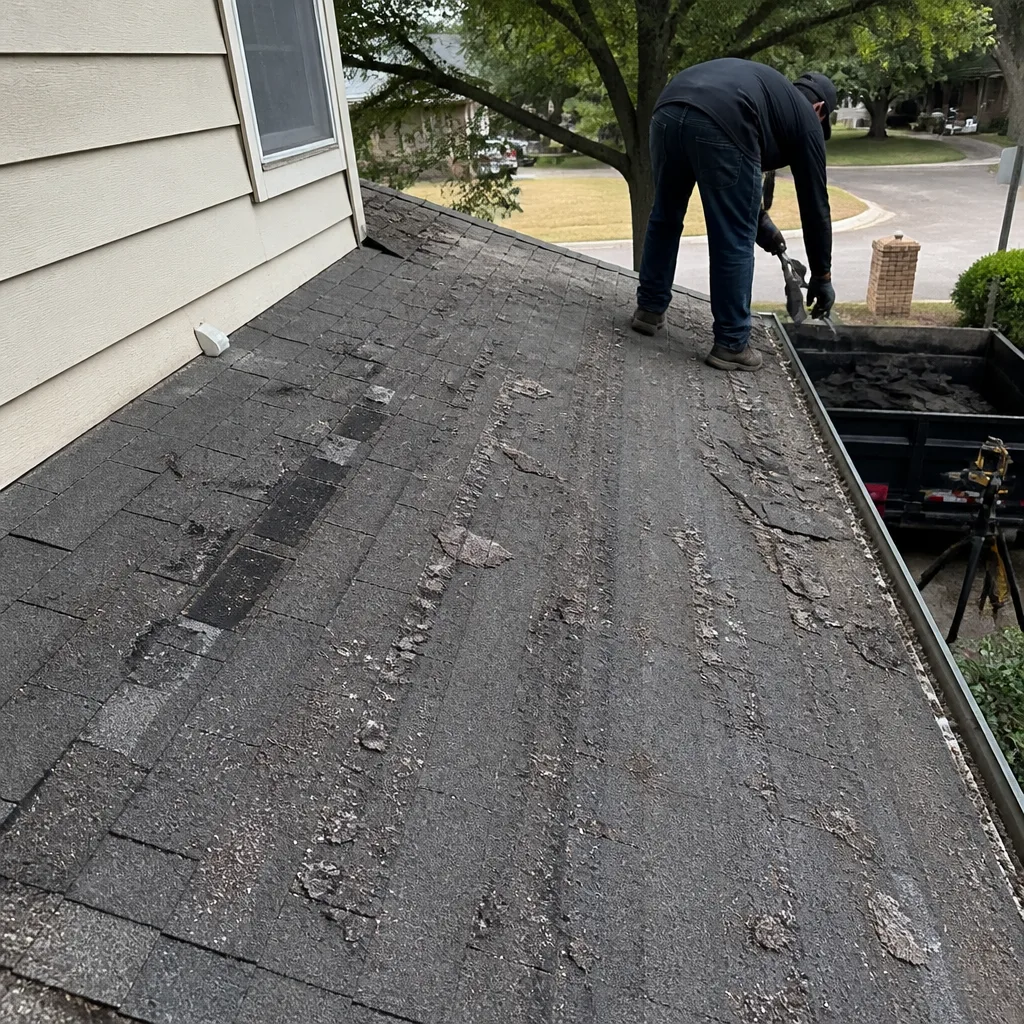 Before
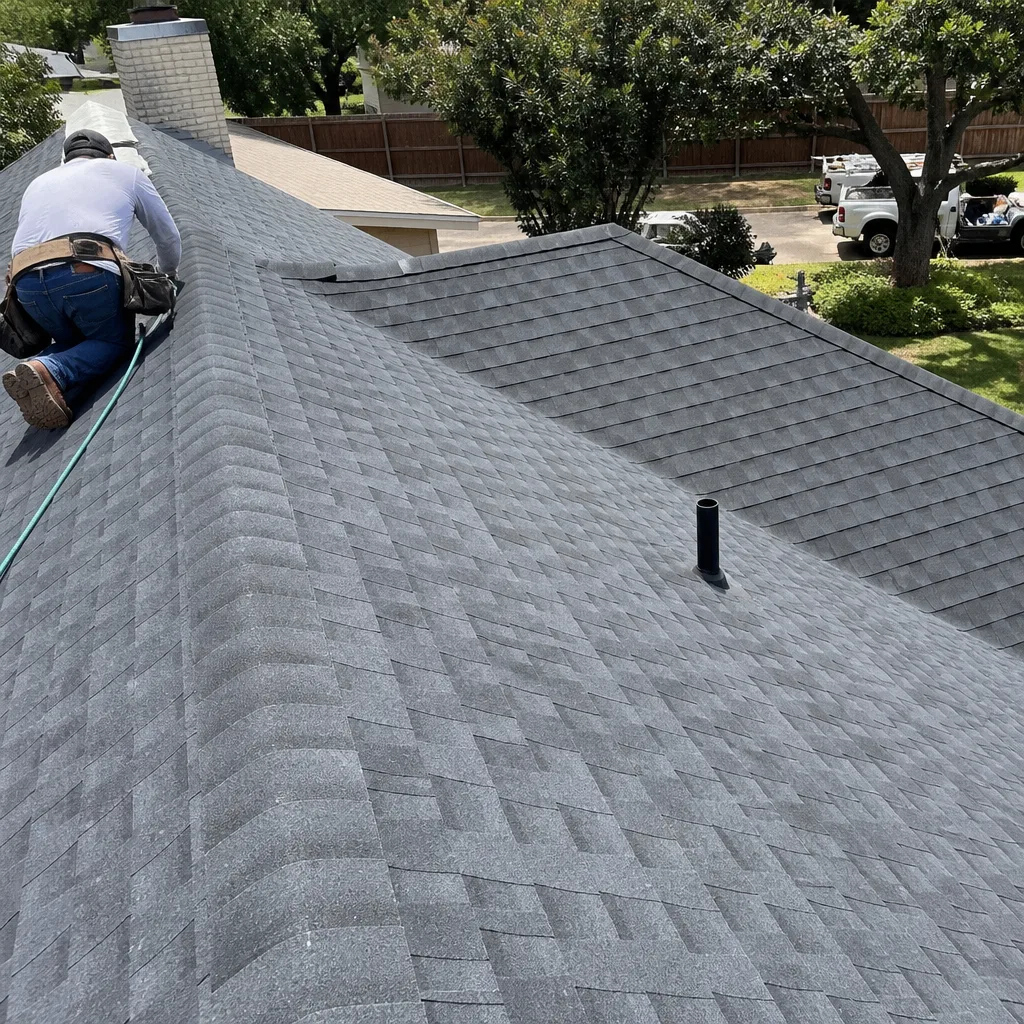 After
After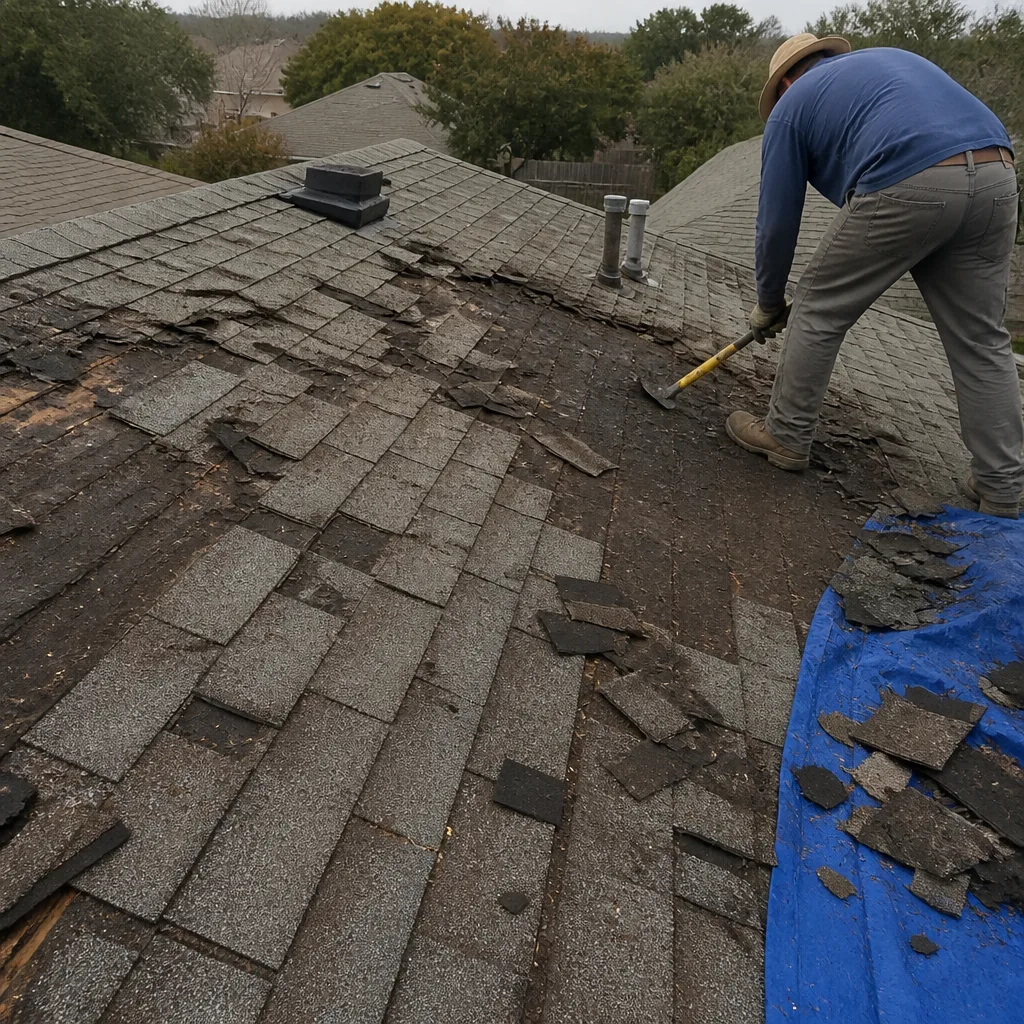 Before
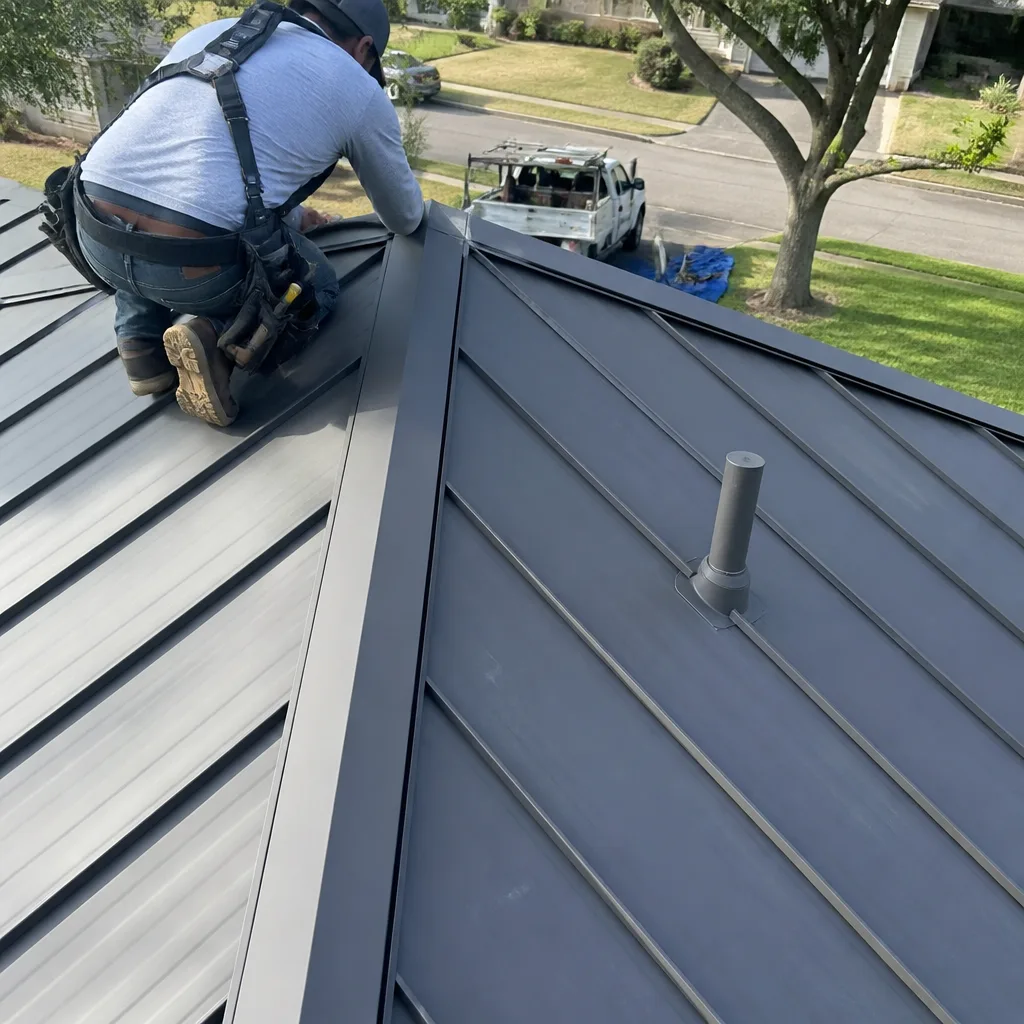 After
After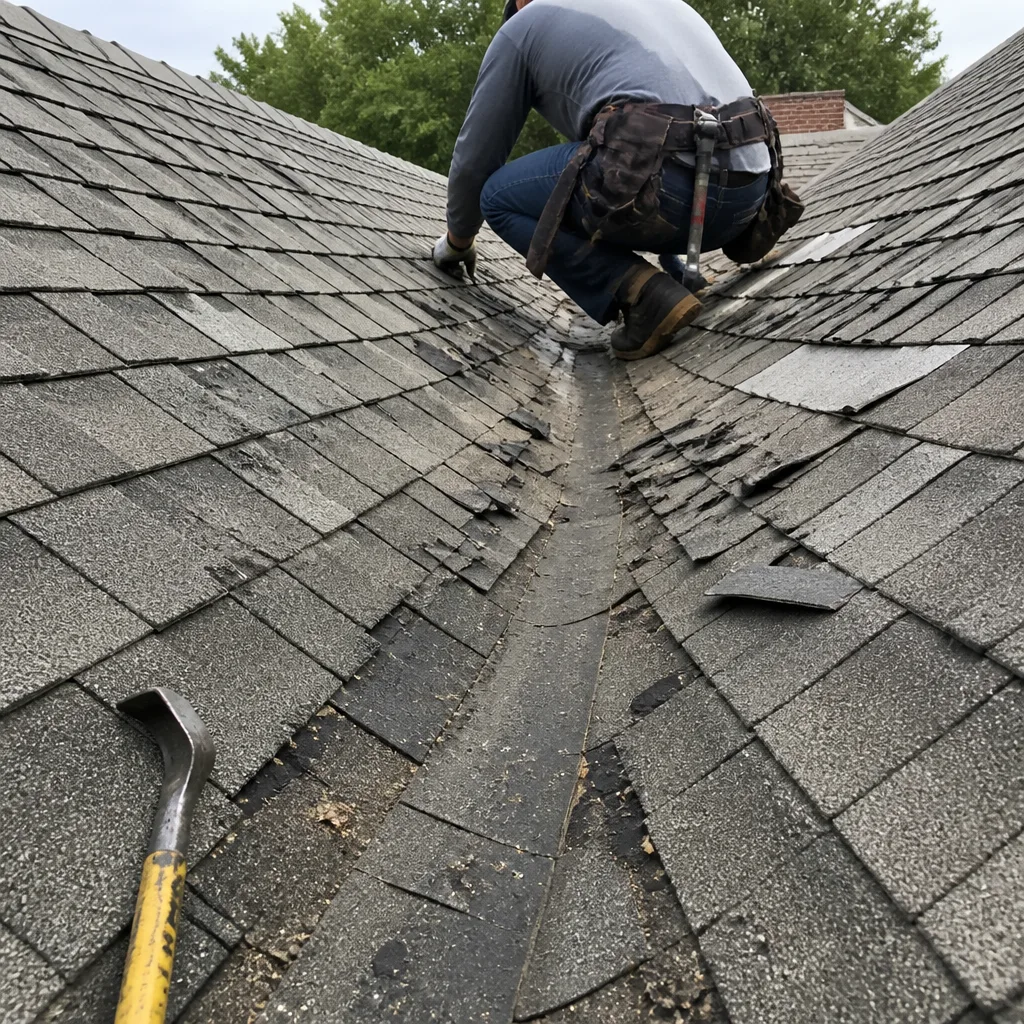 Before
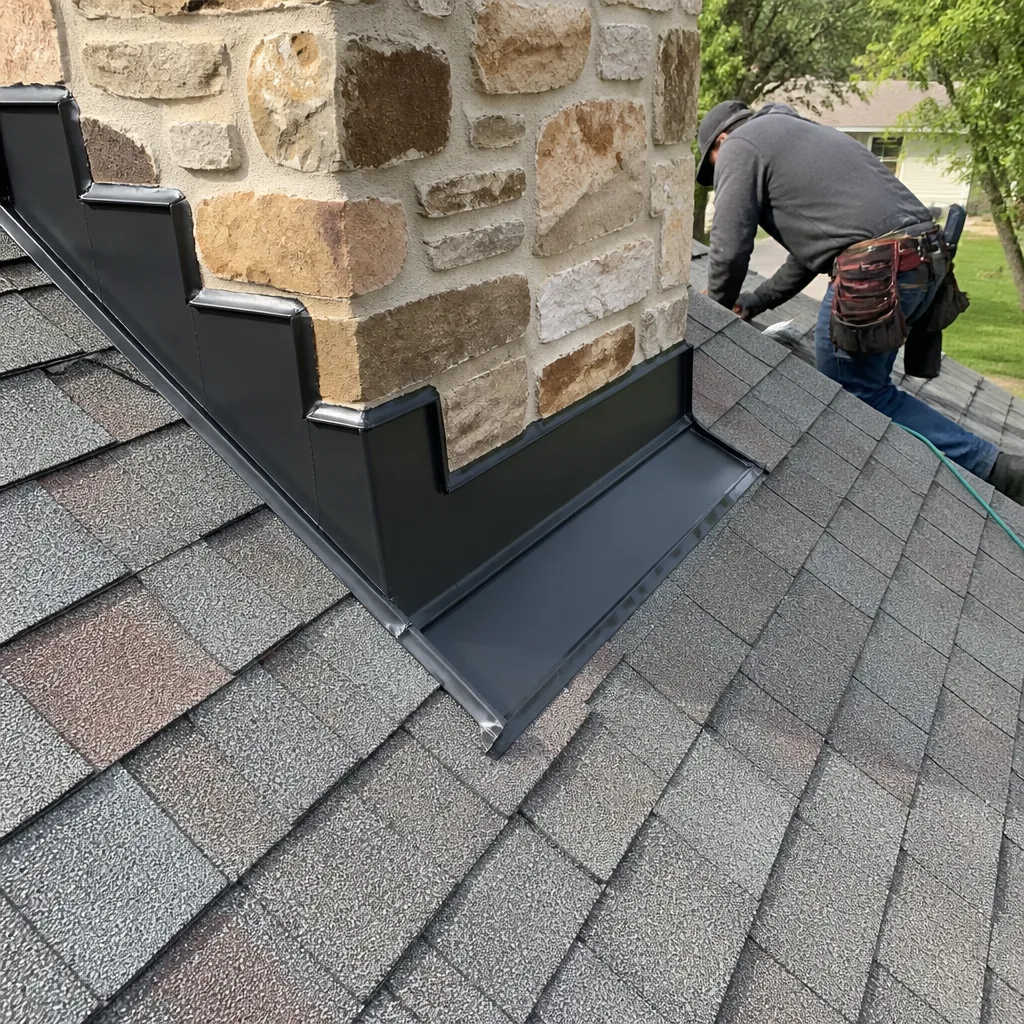 After
AfterReplacement Cost & What’s Included
Here’s honest Dallas pricing, the way we put it on paper:
- Pipe boot / plumbing vent flashing replacement: $350 – $650 installed, including the boot, removal of the old one, and resealing the shingles around it.
- Step flashing repair or replacement (non-chimney, simple wall line): $500 – $900 installed, depending on linear feet and whether siding or stucco has to be pulled back.
- Valley flashing replacement: $700 – $1,400 installed, depending on roof pitch, valley length, and whether the old decking underneath has to be cut out and replaced.
- Chimney or skylight flashing replacement: $900 – $1,600 installed, including custom-bent metal, counterflashing, and sealant work. Steeper roofs cost more because of the safety rigging.
- Roof-to-wall / headwall flashing for a flat or low-slope run: $600 – $1,100 installed, depending on whether the parapet cap also needs replacement.
Every Brennan Roofing price goes on paper before any work starts. Not an estimate range over the phone, not a “we’ll see once we get in there.” A written line-item price. The price at the door is the price on the contract. That’s The Garrison Standard, and it applies to a $400 pipe boot the same way it applies to a full reroof. All flashing replacement work is backed by the 365-Day Done Right Promise: if the repair fails within one full year, we come back and make it right at no charge. In writing.
DIY or Call Us?
There are things you can check from the ground or the attic, and then there’s the point where you should stop. You can inspect your gutters for rust sediment. You can look in the attic for wet insulation and daylight at penetrations. You can watch the roofline after a hard rain for watermarks. What you shouldn’t do is go up on a Dallas roof in July and try to peel back shingles, pull old flashing, and re-nail metal while balancing on a pitch. Flashing work near a roof edge or a chimney is fall-risk work. We use harnesses and jacks on anything steeper than a 4/12 pitch, and a homeowner on a ladder with a pry bar is how a $500 repair turns into an ER visit.
The other reason DIY flashing fails: the lap matters. Flashing is not a patch. It’s a system of overlapping layers that has to shed water downward and outward every step of the way. One wrong lap and you’ve built a funnel into the roof instead of sealing it. If you want to check the flashing yourself and call us with an informed description, good. If you want the repair done by a background-checked technician in a uniform who shows up when promised and leaves a written price before he starts, call (903) 499-4441.
FAQs
Step flashing and pipe boots in Dallas typically last 12 to 20 years before the sealant fails or the metal fatigues. Aluminum holds up better against rust than galvanized steel, but it’s thinner and more prone to tear if it gets walked on. Pipe boot rubber collars last 5 to 10 years in full sun, which is the shortest lifespan of any flashing component on a Texas roof. If your flashing is older than 15 years and you’re seeing any of the signs above, it’s time to have it checked. Call (903) 499-4441 and we’ll do a full inspection with written findings.
A small lap that has separated can sometimes be re-sealed with roof-grade sealant and correct fastening, but once the metal is rusted through, torn, or the lap has opened more than a few inches, replacement is the only fix that holds. Sealant over failed flashing is a $50 repair that fails again in six months, and by then the decking underneath is worse. We’ll tell you honestly if your flashing can be saved or if it’s time to pull it. Call (903) 499-4441 for a straight answer.
A single pipe boot or a short run of step flashing is a same-day job. Valley flashing, chimney flashing, or any flashing repair that requires opening a wall line usually runs a day to a day and a half. If rotten decking or underlayment has to be replaced, add time for that. We’ll put the schedule in writing before work starts. Call (903) 499-4441 to get your flashing looked at.
We keep common flashing profiles and pipe boots on the truck: 5×7 and 7×7 step flashing, 14-, 18-, and 24-inch valley metal, pipe boots in 1½-inch and 2-inch, and aluminum and galvanized headwall flashing. Custom chimney and skylight flashing is bent at a Dallas sheet metal shop and typically ready next day. We’re an independent roofing company, not an Owens Corning dealer, so we stock the metal profiles that match Owens Corning specs rather than brand-labeled boxes. Same standard, same install.
Written by Travis Oakley, Owner, Brennan Roofing Co Dallas at Brennan Roofing Co Dallas, serving Dallas and nearby areas.