
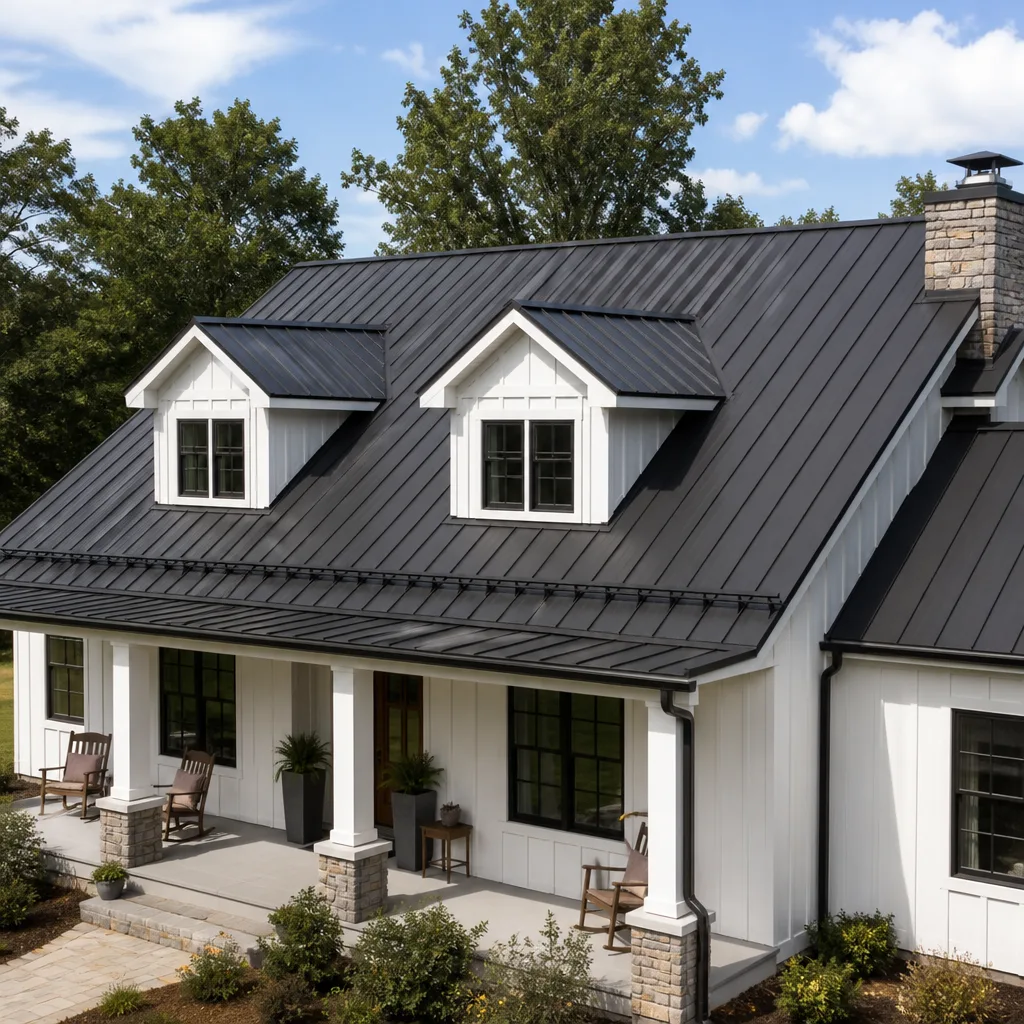
 Metal roofing
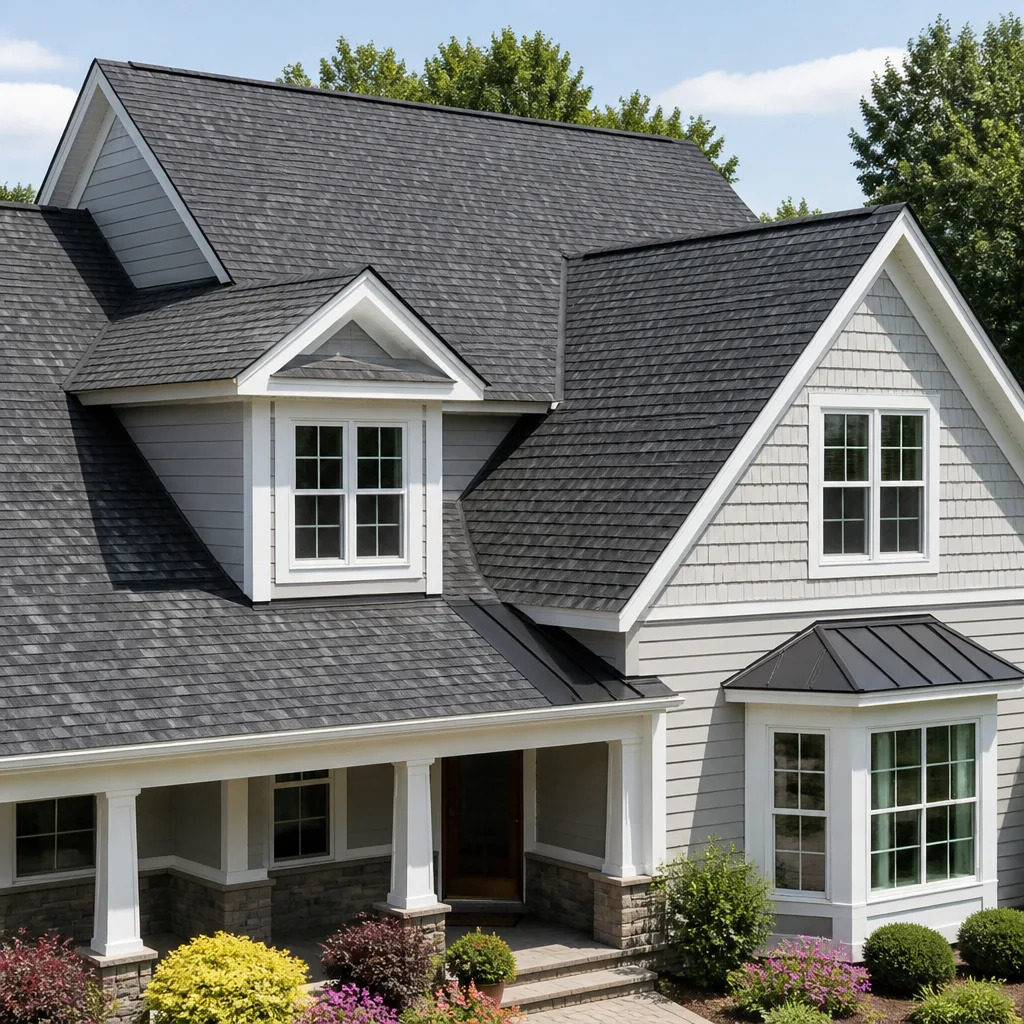 Architectural shingles
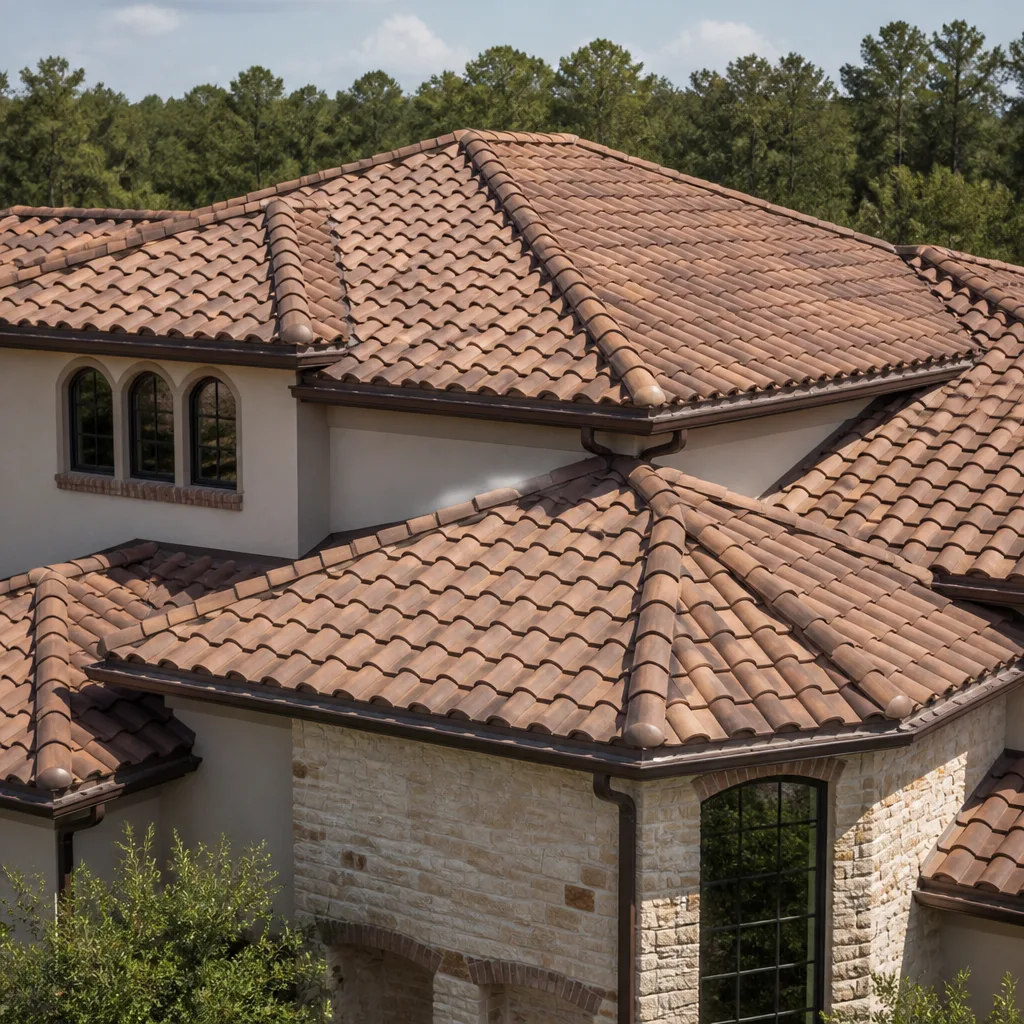 Tile roofing
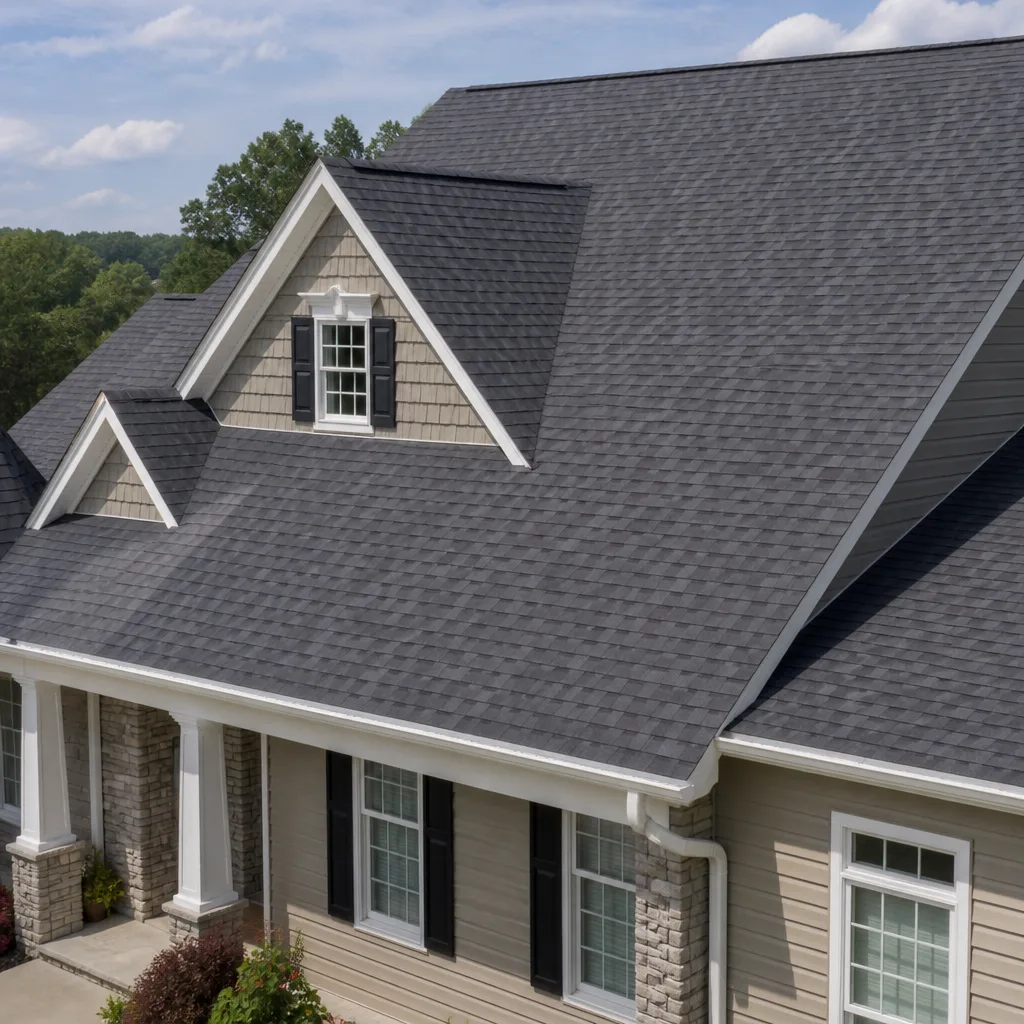 GAF
GAF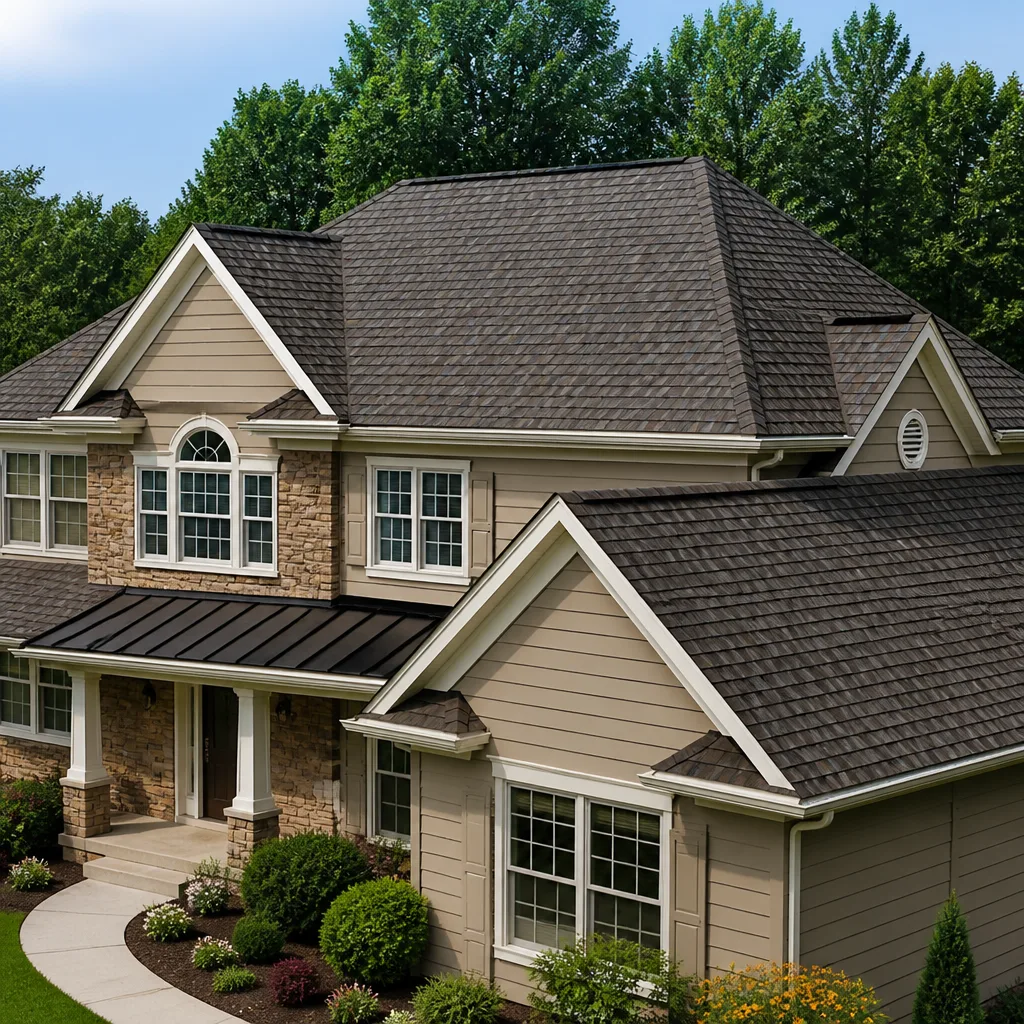 Owens Corning
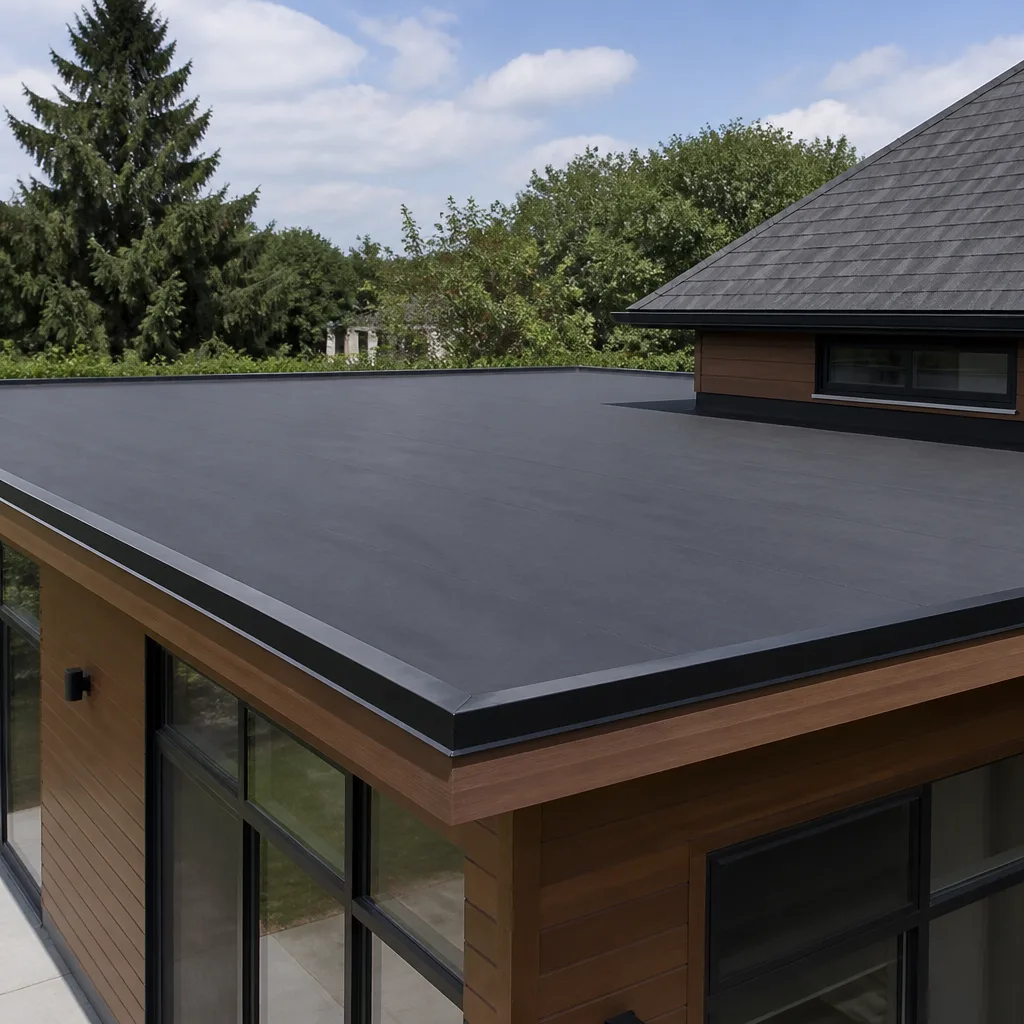 Flat & low-slope
Free roof inspection with deck photos before we talk money - GAF and Owens Corning certified installation
CertainTeed Ridge Vent Installation: The Dallas Owner’s Guide
CertainTeed ridge vent installation in Dallas typically runs $850 to $1,800 installed, depending on linear footage, roof pitch, and whether existing vent material needs to be torn out first. We stock CertainTeed-compatible ridge vent components on our trucks and can handle most replacements in a single visit, usually within four to six hours on site. Most Dallas homeowners discover the problem the same way: they climb into the attic in July and find it hot enough to bake bread, or they spot shingle granules piling up in the gutters directly below the ridge line. Either way, the vent has stopped doing its job, and that matters more in North Texas than almost anywhere else.
Here’s the reality with ridge vents: they work by letting hot air escape through the peak of the roof while intake vents pull cooler air in through the soffits. When that system fails, your attic can hit 140 degrees or hotter in a Dallas summer. That heat pushes down into your living space, makes your AC work harder than it should, and shortens the life of your shingles from underneath. A failed ridge vent isn’t a cosmetic issue. It’s a slow leak of money every month on your electric bill. Travis Oakley has pulled apart enough failed Dallas ridge vents to know exactly what goes wrong and what to do about it.
One more thing worth saying up front: Brennan Roofing Co Dallas is an independent roofing contractor. We install CertainTeed products because they’re well engineered, but we’re not affiliated with CertainTeed and we don’t claim to be. What we claim is that we know their ridge vent systems well enough to install them correctly the first time.
Which CertainTeed Models This Applies To
CertainTeed makes two primary ridge vent lines that we install across Dallas: the Mountain Ridge and the ShingleVent II. The Mountain Ridge is the more common one we see on Dallas homes. It’s a rigid profile vent that sits under a cap shingle and provides 18 square inches of net free area per linear foot, which is adequate for most attic configurations when paired with proper soffit intake. The ShingleVent II is a lower-profile option that some HOAs in neighborhoods like Preston Hollow and Lakewood prefer because it sits flatter against the roofline.
The compatibility detail that trips up a lot of Dallas homeowners: these vents are not interchangeable with each other or with vents from other manufacturers. The nail flange width, the profile height, and the end-cap design all differ. If your roof has a Mountain Ridge vent that’s failed and someone slaps on a generic big-box product, you’ll get gaps at the ridge, improper shingle coverage, and a new vent that leaks within a year. We match the replacement to the existing product so the cap shingles lay flat and the vent seals the way CertainTeed designed it to seal.
The OEM-versus-aftermarket decision is simpler for ridge vents than for a lot of other roofing parts. Most aftermarket ridge vent products are thinner, use lower-grade plastic that gets brittle in Texas heat, and don’t match the nail flange spacing of the original. We almost always recommend staying with the CertainTeed product when replacing a CertainTeed ridge vent. The small price difference pays for itself in lifespan. The aftermarket stuff is cheaper for a reason.
We also stock compatible components for GAF and Owens Corning ridge vent systems, so if you’re not sure which manufacturer you have, we can identify it on site and install the right match.
How We Identify Your CertainTeed Ridge Vent
If you’re trying to figure out what you have before calling us, check the underside of the vent from inside the attic. CertainTeed embosses the product name along the vent material. You can also measure the width: Mountain Ridge runs about 11 ¼ inches wide, while ShingleVent II is narrower at roughly 9 inches. If you’d rather not climb into the attic, that’s fine. We’ll identify it when we get on the roof for the estimate.
Styles & brands we work with
Signs Your CertainTeed Ridge Vent Installation Is Failing
- Attic temperature that won’t drop at night. A working ridge vent lets heat escape all night long. If your attic still feels like an oven at 10:00 PM in June, the vent is either blocked or the airflow balance between ridge and soffit intake is broken. We see this constantly in Dallas attics.
- Peeling or curling cap shingles along the ridge. The cap shingles sit directly over the vent. When the vent deteriorates or shifts, the cap shingles lose their flat surface and start to curl, crack, or blow off entirely. This is the most visible failure sign from the street.
- Granules collecting in gutters near the roofline. Some granule loss is normal, but concentrated granule buildup directly below the ridge is a sign the cap shingles are aging faster than the rest of the roof. That happens when trapped heat underneath is baking them from below.
- Musty smell or visible mold in the attic. A ridge vent that’s clogged or incorrectly installed traps moisture from bathroom fans and daily humidity. Dallas humidity combined with a blocked vent means condensation, mold, and eventually rotted decking.
- Water staining along the ridge board after a storm. North Texas storms push rain at angles that find every gap. If the vent’s end caps have come loose or the nail flanges have cracked, water gets driven in sideways. You’ll see the stain on the ridge board first.
If any of these sound familiar, don’t wait. A failed ridge vent compounds into bigger problems in Dallas quickly. What starts as a $900 vent replacement becomes a $4,000 decking repair if moisture has been working on the plywood for a year.
See the difference
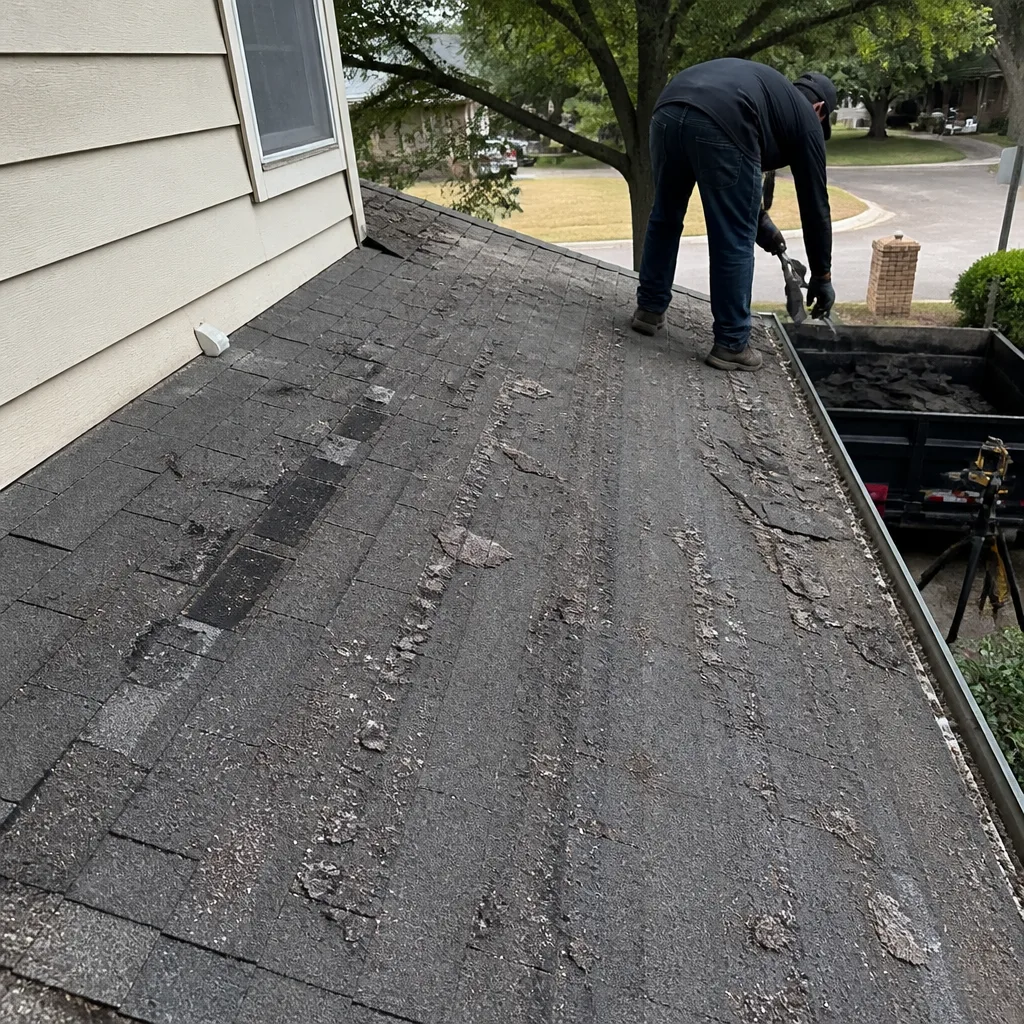 Before
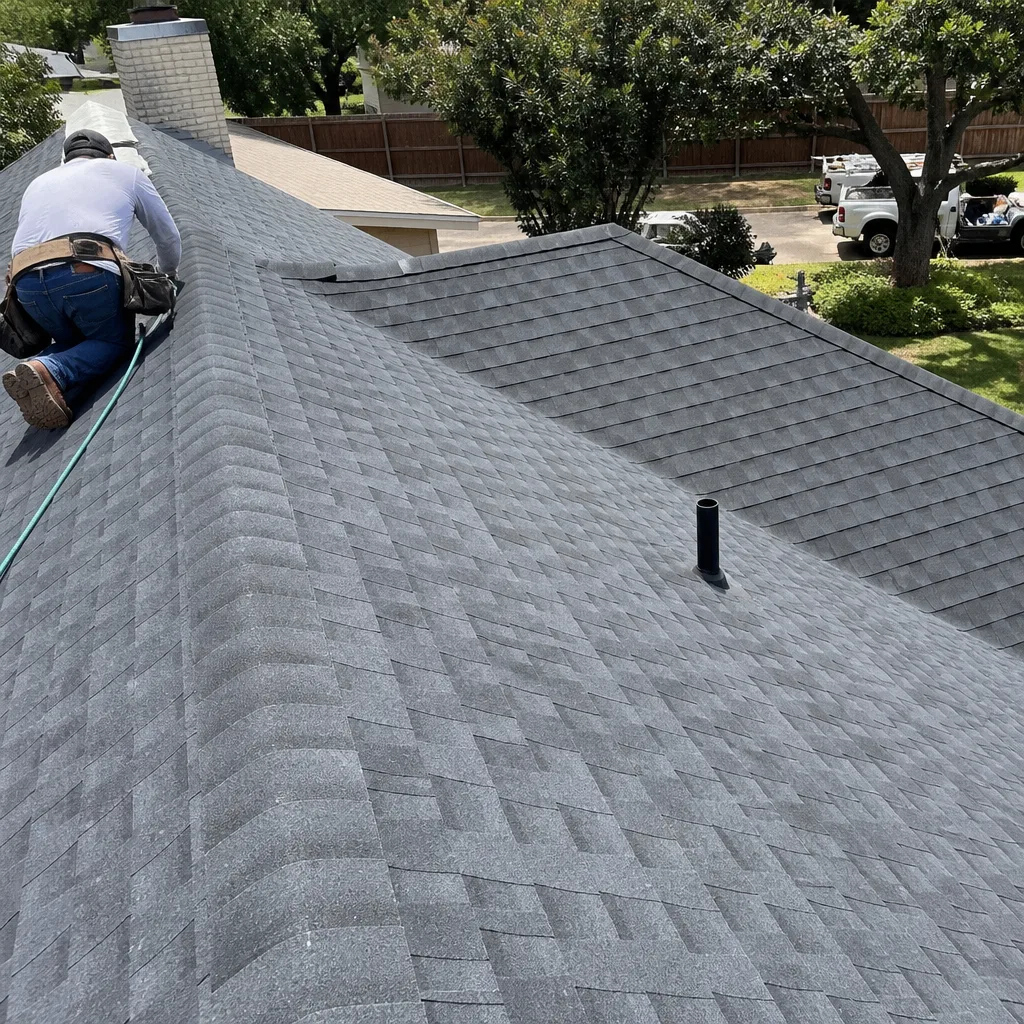 After
After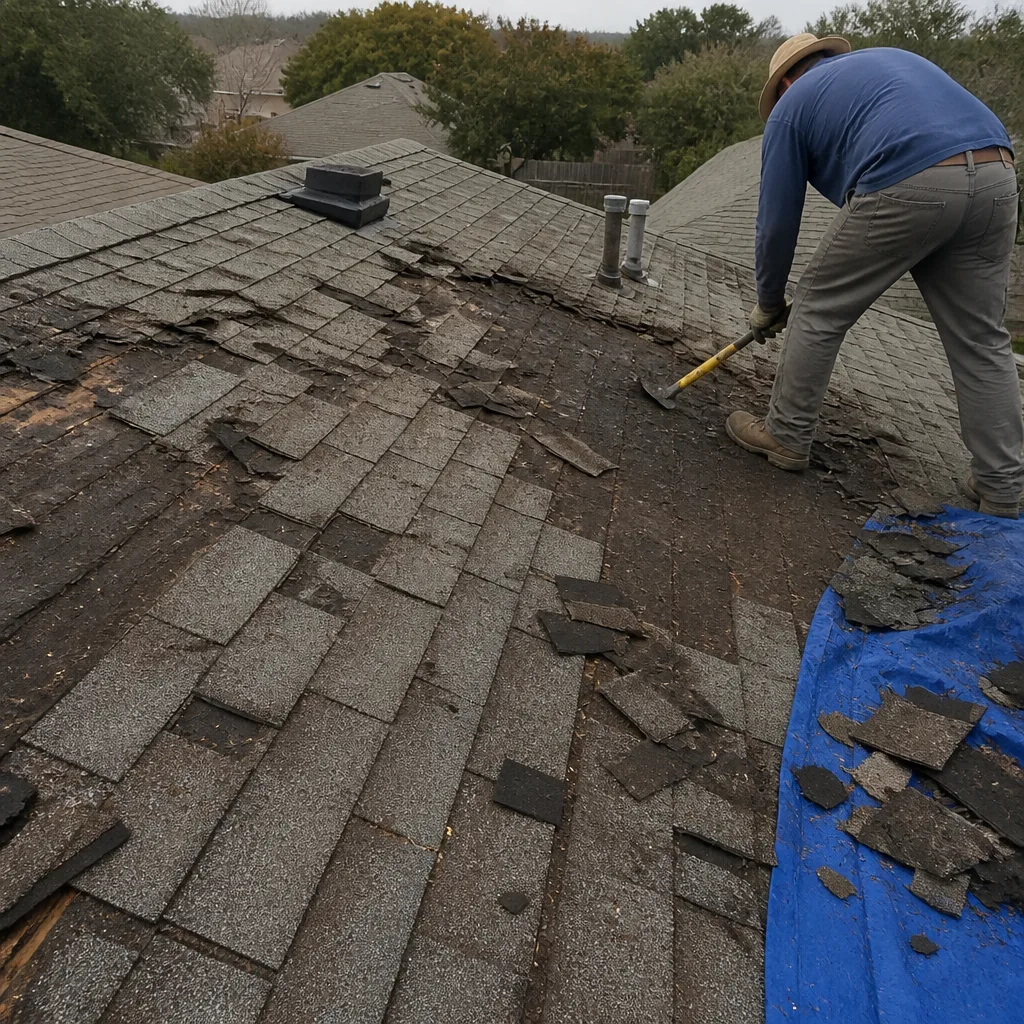 Before
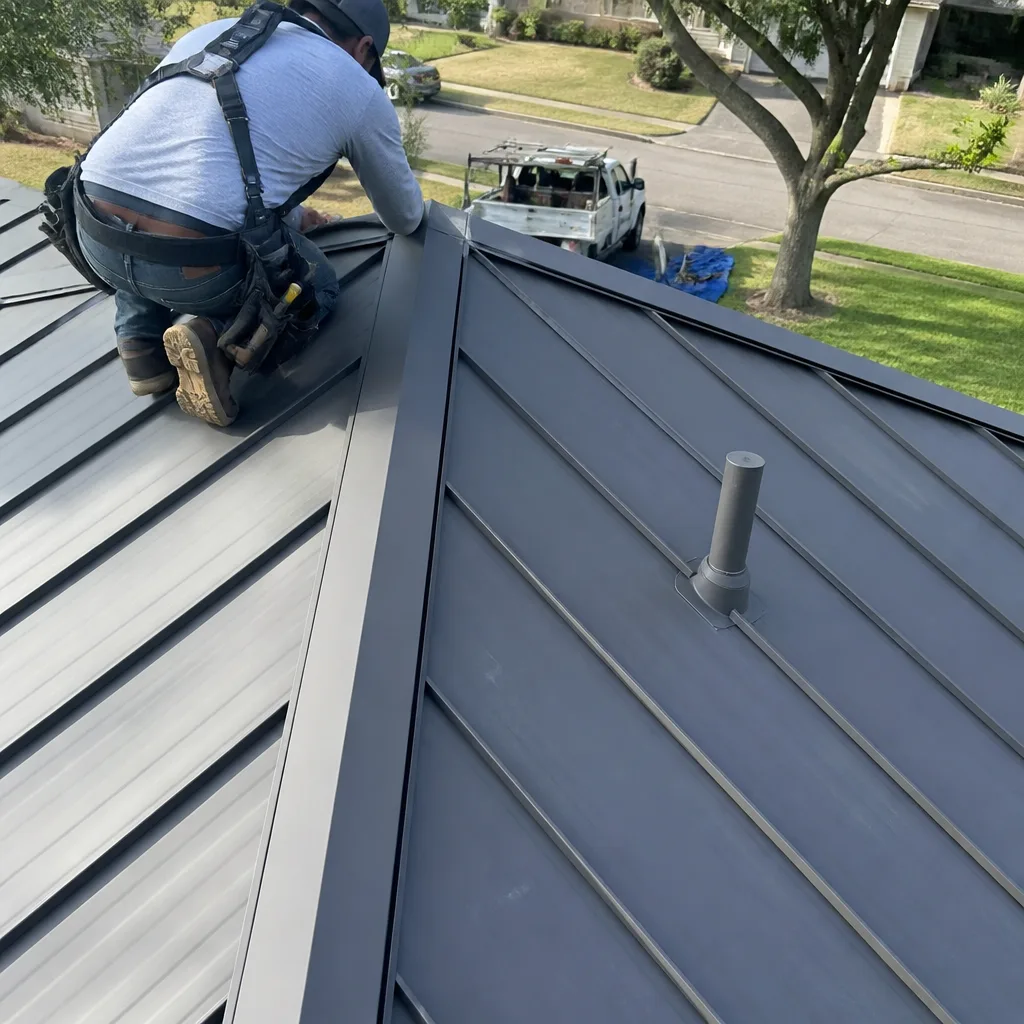 After
After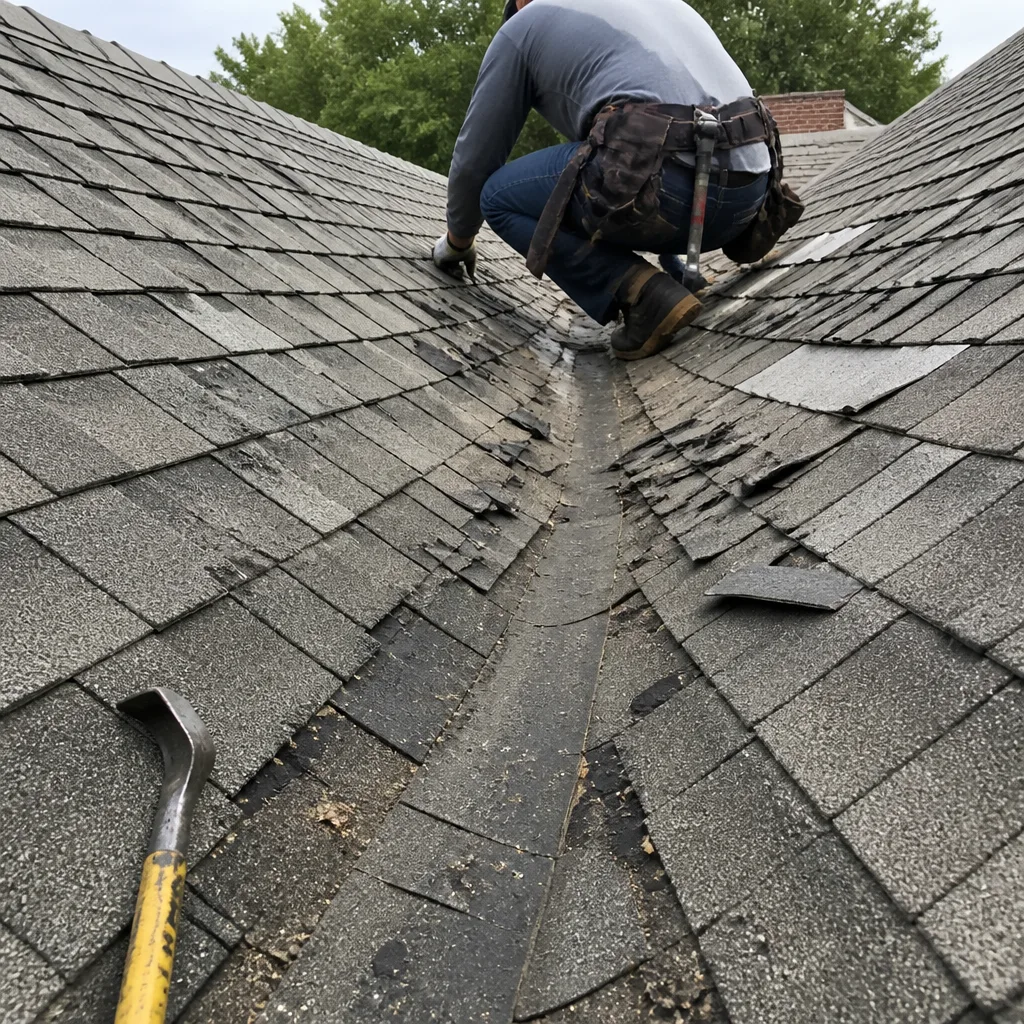 Before
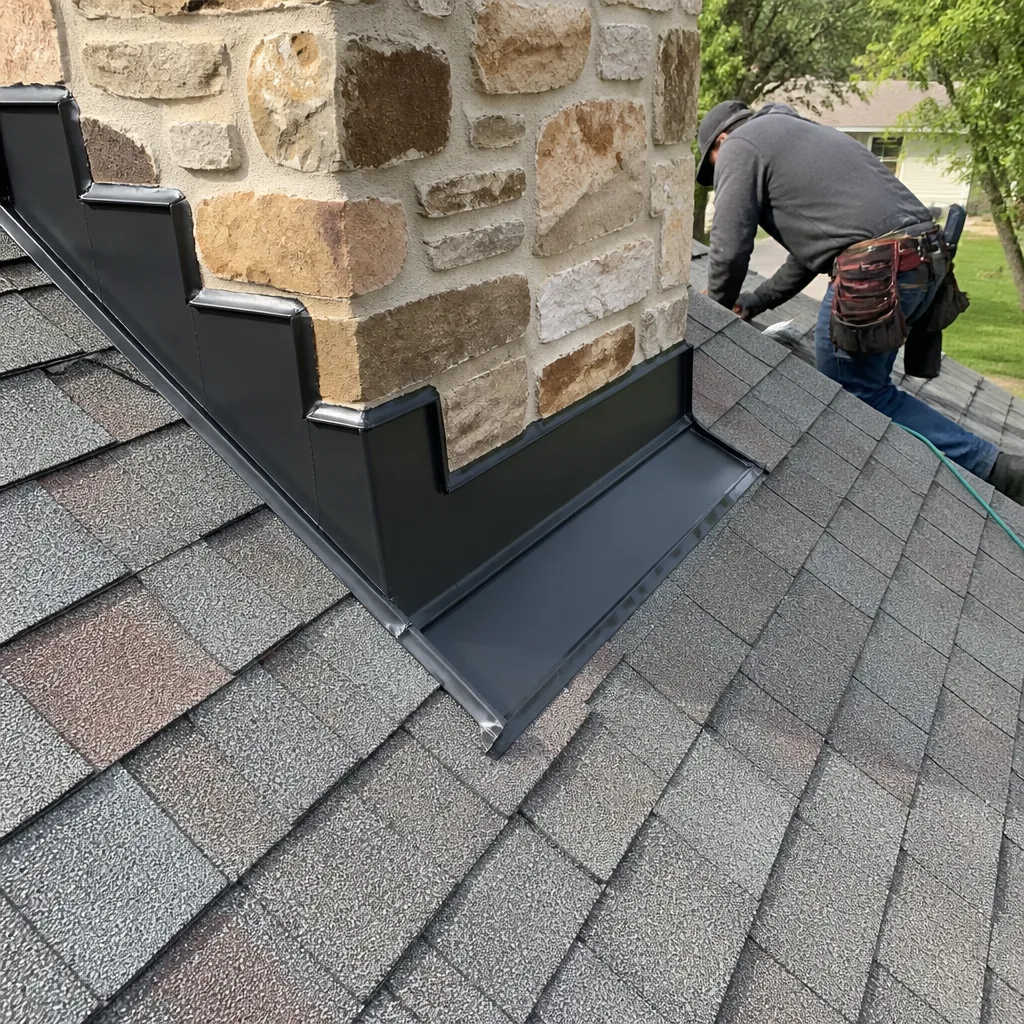 After
AfterReplacement Cost & What’s Included
Installed CertainTeed ridge vent replacement in Dallas runs from $850 to $1,800 for most single-family homes. Here’s the line-item breakdown so you know exactly where the money goes:
- Removal of existing failed vent and cap shingles: $150 – $300 depending on linear footage and how much of the old vent is broken.
- New CertainTeed Mountain Ridge or ShingleVent II material: $4 – $7 per linear foot. A standard Dallas ranch runs 40 to 60 linear feet of ridge.
- New cap shingles to match or complement your roof: $3 – $5 per linear foot. If your original caps are discontinued, we’ll match the closest available.
- Decking inspection and minor repair at the ridge line: $0 – $250. If the plywood under the old vent is sound, this is zero. If not, we’ll show you what we found before we touch it.
- Labor including setup, install, and cleanup: $350 – $650. Our technicians are background-checked, uniformed, and work on a fixed written price.
The range exists because every roof is different. A single-story ranch with a short ridge is at the low end. A two-story with steep pitch, multiple ridge sections, or a complex roofline runs higher. What you won’t get is the price changing at the door. The number goes on paper before any work starts, and it doesn’t move. That’s The Garrison Standard, and we don’t make exceptions for it. Every installation is also covered in writing for one full year under our 365-Day Done Right Promise. If the vent installation fails within that year, we come back and fix it at no charge.
DIY or Call Us?
Here’s the honest split on ridge vents. The dangerous part of roof work is the roof itself: the height, the pitch, and the fact that a fall from even a single-story ridge can be life-changing. If you wouldn’t walk around on your own roof comfortably, don’t start with a ridge vent replacement. That’s not scare talk. It’s the truth from someone who’s been on thousands of Dallas roofs.
What you can safely do from the ground is check the cap shingles for curling, missing pieces, or obvious gaps. You can also check your attic from inside for water staining along the ridge board and feel whether the temperature is unreasonable. That gives you the information to know something is wrong. The repair itself needs to be done on the roofline, with the right CertainTeed-matched material, installed so the cap shingles seal properly and the end caps don’t leak. That’s a trained pro job.
If you’re in Dallas and your ridge vent is showing any of the failure signs, call (903) 499-4441 and we’ll get you on the schedule for a free estimate. We’ll tell you what’s wrong, what it costs, and how long it’ll take before you commit to anything.
FAQs
A properly installed CertainTeed ridge vent should last the life of the roof, which in Dallas means 15 to 20 years before UV exposure, hail, and extreme heat take their toll. We see vents fail earlier when the original installation was rushed: nails overdriven through the flange, end caps left loose, or the wrong shingle coverage over the vent. Call (903) 499-4441 if you think yours is failing early and we’ll tell you what’s actually going on.
It depends on what’s failed. Loose end caps or a few popped nails can be repaired, and we’ll do that before recommending a full replacement. But if the vent material itself is cracked, warped, or brittle from Dallas heat, patching it is wasted money. The plastic has reached the end of its life and it’ll fail again somewhere else. We’ll show you the condition before we recommend anything.
Most CertainTeed ridge vent replacements in Dallas take four to six hours on site. That includes removing the old vent, inspecting the decking, installing the new vent and cap shingles, and cleaning up all debris. We schedule the work around your day and you don’t need to be home for the entire job, though we’ll walk you through what we found before we leave.
Yes. We stock CertainTeed Mountain Ridge and ShingleVent II components, along with GAF and Owens Corning ridge vent options. If we need a specific end cap or longer run than we have on hand, we source it same-day from our Dallas suppliers. You won’t wait days for a part to ship in.
Written by Travis Oakley, Owner, Brennan Roofing Co Dallas at Brennan Roofing Co Dallas, serving Dallas and nearby areas.